What is Public Key Cryptography?

2026-01-02 13:32:05
Blockchain
Crypto glossary
Crypto Tutorial
Web 3.0
Web3 wallet
Article Rating : 3.5
half-star
88 ratings
# Meta Description Discover how public key cryptography and asymmetric encryption power Web3. This in-depth guide covers blockchain security, the distinctions between public and private keys, and real-world use cases in Gate and digital wallets.
What is Public Key Cryptography?

How Public Key Cryptography Works

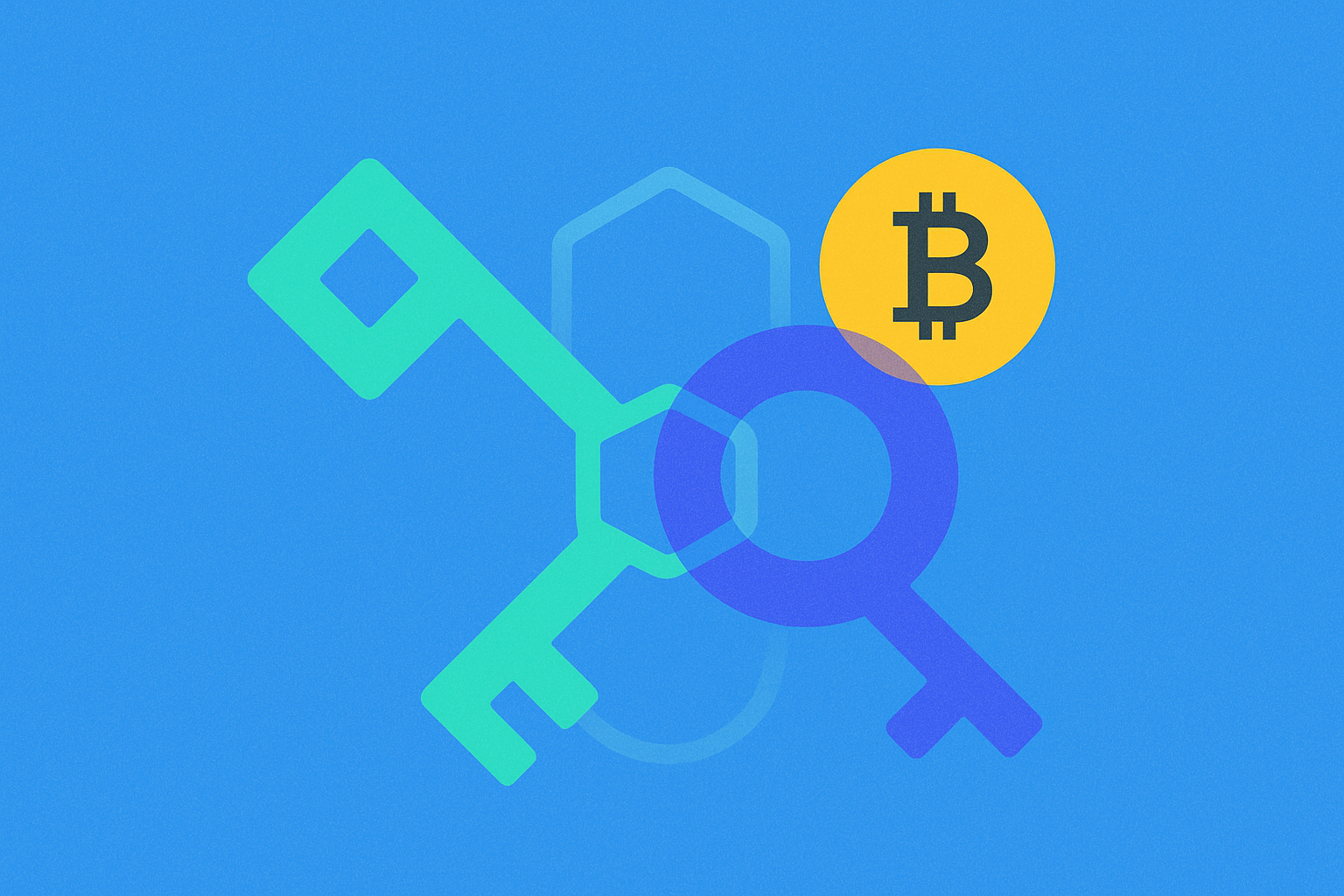
Public key cryptography, also called asymmetric cryptography, is a system that uses a pair of keys—public and private—unlike symmetric cryptography, which relies on a single key. Using key pairs gives public key cryptography unique attributes that address challenges found in other cryptographic methods. This encryption method is now a cornerstone of modern computer security and is vital to the expanding cryptocurrency ecosystem.

In a public key infrastructure, the sender encrypts information with the recipient’s public key, and the recipient decrypts it using their private key. Since the keys are distinct, the public key can be shared openly without jeopardizing the private key’s security. Each asymmetric key pair is unique, ensuring that only the holder of the matching private key can decrypt messages encrypted with its public key.

Asymmetric algorithms generate mathematically linked key pairs, which is why these keys are much longer than those used in symmetric encryption. Key lengths typically range from 1,024 to 2,048 bits, making it extremely difficult to derive the private key from the public key. One of the most widely used asymmetric cryptography algorithms is RSA. In RSA, keys are generated using a modulus produced by multiplying two large prime numbers. The modulus generates two keys: a public key for sharing and a private key that must remain confidential. First described in 1977 by Rivest, Shamir, and Adleman, RSA remains a core element of public key cryptography even today.

PKC as an Encryption Tool

Public key cryptography solves a major issue with symmetric algorithms: securely communicating the key used for both encryption and decryption. Sending this key over an unsecured channel can expose it to third parties, allowing them to read any messages encrypted with it. Methods like the Diffie-Hellman-Merkle key exchange attempt to address this, but remain susceptible to certain attacks. In contrast, public key cryptography allows the encryption key to be shared safely over any connection. As a result, asymmetric algorithms provide stronger protection than symmetric ones.

Role in Digital Signature Generation

Asymmetric cryptography is also essential for data authentication through digital signatures. A digital signature is essentially a hash generated from message data. When the message is sent, recipients can verify the signature using the sender’s public key, confirming the message’s origin and ensuring it hasn’t been altered. Sometimes, digital signatures and encryption are used together, with the hash itself encrypted as part of the message. However, not every digital signature scheme relies on cryptographic techniques.

Limitations

While public key cryptography enhances computer security and message integrity, PKC does have noteworthy limitations. The complex mathematics involved in encryption and decryption make asymmetric algorithms relatively slow when processing large datasets. This approach also relies on keeping the private key secret. If a private key is exposed or shared, all data encrypted with the associated public key becomes vulnerable. Additionally, if users lose their private keys, they permanently lose access to the encrypted information.

Public Key Cryptography Applications

Modern computer systems use public key cryptography to secure sensitive information. For example, emails can be encrypted using public key methods to protect their contents. The SSL (Secure Sockets Layer) protocol, which secures web connections, also relies on asymmetric encryption. Public key systems have even been considered for secure electronic voting, potentially allowing voters to cast ballots from home.

Public key cryptography is especially critical in blockchain and cryptocurrency environments. Creating a new crypto wallet generates a key pair: a public key and a private key. The public address, derived from the public key, can be safely shared with others. The private key, however, is required to create digital signatures and validate transactions, making it essential to keep private. Once a transaction is verified by checking the hash in the digital signature, it is added to the blockchain ledger. This signature verification process ensures that only the private key holder of the appropriate crypto wallet can authorize outgoing transactions.

Notably, the asymmetric ciphers used in cryptocurrencies differ from those in traditional computer security. Many blockchain systems implement a specialized scheme known as the Elliptic Curve Digital Signature Algorithm (ECDSA) to verify transactions securely and efficiently.

From securing computer systems to validating cryptocurrency transactions, public key cryptography is vital to protecting today’s digital infrastructure. By leveraging paired public and private keys, asymmetric encryption addresses core vulnerabilities inherent in symmetric ciphers. Although PKC has a long history, it continues to evolve, especially across blockchain and cryptocurrency industries.

FAQ

What is public key cryptography and how does it work?

Public key cryptography employs a key pair: a public key to encrypt data and a private key to decrypt it. This asymmetric approach is foundational for secure digital transactions and protects wallets and assets in Web3 environments.

What’s the difference between public key cryptography and symmetric key cryptography?

Symmetric cryptography uses the same key for both encryption and decryption. Public key cryptography uses a pair: the public key encrypts, and the private key decrypts, delivering stronger communication security.

What are the real-world applications of public key cryptography?

Public key cryptography secures email, generates digital signatures, authenticates users, and underpins secure online transactions using protocols like SSL/TLS—making it essential for digital trust.

How does public key cryptography ensure secure data transmission?

Public key cryptography secures data by using a key pair: the public key encrypts information, and only the matching private key can decrypt it. This mechanism protects both confidentiality and authenticity of transmitted data.

What are public and private keys, and how do they work together?

Public and private keys form a cryptographic pair. The public key is used to encrypt data and is openly shared, while the private key decrypts and remains confidential. Together, they provide security, authenticity, and privacy for blockchain transactions.

* The information is not intended to be and does not constitute financial advice or any other recommendation of any sort offered or endorsed by Gate.

Related Articles
Cookie Là Gì?

Cookie Là Gì?

# Giới Thiệu Về Cookie Trong Blockchain Cookie là những tệp nhỏ lưu trữ dữ liệu cá nhân trên máy tính người dùng, giúp website nhớ thông tin và cá nhân hóa trải nghiệm duyệt web. Bài viết này phân tích toàn diện khái niệm cookie, phân loại (bên thứ nhất và bên thứ ba), cơ chế hoạt động, cũng như những rủi ro về quyền riêng tư và bảo mật. Nội dung hướng dẫn người dùng cách bảo vệ dữ liệu thông qua các tính năng Do Not Track, cài đặt riêng tư nâng cao và tiện ích mở rộng. Phù hợp cho những ai muốn hiểu rõ cookie, cân bằng giữa tiện lợi trực tuyến và bảo vệ quyền riêng tư cá nhân.
2026-01-01 20:34:16
Understanding On-Chain: A Guide to On-Chain Transactions

Understanding On-Chain: A Guide to On-Chain Transactions

"Understanding On-Chain" delves into the fundamentals of on-chain transactions within blockchain technology. This comprehensive guide explains how on-chain operations provide unmatched transparency, immutability, and security by storing transactions directly on the blockchain network. Addressing key topics such as decentralized storage, consensus mechanisms, and transaction validation, the article targets blockchain enthusiasts seeking deeper insights into on-chain systems. This structure illuminates the advantages over traditional databases, emphasizes user autonomy, and outlines practical applications in digital currencies and smart contracts. The piece leverages keyword optimization for readability and quick comprehension.
2025-12-24 11:53:30
Understanding Symmetric vs. Asymmetric Encryption Techniques

Understanding Symmetric vs. Asymmetric Encryption Techniques

The article explores the key differences between symmetric and asymmetric encryption, shedding light on their functional implications and use cases. It addresses the fundamental roles of encryption keys, key lengths, security considerations, and the pros and cons of each encryption method. Tailored for IT professionals and data security enthusiasts, readers will understand when to apply each technique. The structured approach offers a practical guide to these essential cryptographic systems, dissecting their applications in varied scenarios including digital assets and general communication security. Key themes include encryption types, security, efficiency, and practical applications.
2025-12-24 10:46:45
How to Find Your Crypto Address (Across All Wallets and Blockchains)

How to Find Your Crypto Address (Across All Wallets and Blockchains)

# Discovering Your Crypto Address: A Comprehensive Guide for Web3 Enthusiasts This guide demystifies crypto addresses—your unique blockchain identifier for sending and receiving digital assets. Learn how wallet addresses function across Bitcoin, Ethereum, USDT, and other blockchains, and discover step-by-step instructions for finding your address on platforms like Gate. Master address formats, validation techniques, and critical security practices to protect your funds. Whether you're a Web3 beginner or experienced trader, this article equips you with essential knowledge to confidently manage crypto transactions, validate addresses using blockchain explorers, and avoid costly errors. Perfect for anyone seeking to safely navigate cryptocurrency transfers while minimizing scam and loss risks.

2026-01-07 00:32:22
Crypto Wallets Explained

Crypto Wallets Explained

A crypto wallet is more than just a storage tool—it’s your personal key to controlling and protecting your digital assets. Whether you’re in Australia trading Bitcoin, diving into DeFi, or buying NFTs, understanding how wallets work is essential for staying safe and independent in the crypto world. This article explains hot and cold wallets, self-custody, and why wallets matter for every Aussie trader.
2025-07-03 15:09:37
Gate Wallet: A Secure Multi-Chain Solution for Web3 in 2025

Gate Wallet: A Secure Multi-Chain Solution for Web3 in 2025

Gate Wallet provides a secure multi-chain solution for Web3 in 2025, featuring advanced security protocols such as encryption, biometric authentication, and a non-custodial framework. Its multi-chain management connects over 100 blockchains, optimizing cross-chain transactions and asset aggregation. Integrated with DeFi and dApps, Gate Wallet enhances user engagement through seamless interactions and the security of smart contracts. The wallet caters to both beginners and advanced users, offering intuitive guidance and customizable features, aimed at achieving high retention rates and a user-friendly experience for managing digital assets.
2025-07-18 05:48:12
Recommended for You
Ripple Secures $500 Million in Fresh Capital – No Ripple IPO Plans

Ripple Secures $500 Million in Fresh Capital – No Ripple IPO Plans

This article explores Ripple's $500 million funding round and strategic decision to remain private, rejecting IPO speculation. Targeting investors and blockchain observers, it examines how institutional capital is driving XRP adoption amid the PayFi revolution—where blockchain-based payment solutions command growing market share. The article traces Ripple's transformation from SEC litigation survivor to comprehensive fintech provider, analyzing XRP price dynamics and market positioning. Key sections cover institutional investor interest in Ripple's $23 billion XRP reserves, the rising PayFi sector where XRP captures 8% payment gateway market share, and regulatory milestones including RLUSD stablecoin launch. XRP price forecasts suggest potential movement toward $2.80 by end-2025 and $3.50+ through 2026, driven by enterprise adoption and improved regulatory clarity. Whether analyzing token economics or financial infrastructure innovation, this overview clarifies Ripple's competitive advantages in reshaping cro


2026-01-08 11:33:07
What is CMC20 crypto market cap ranking and 24-hour trading volume

What is CMC20 crypto market cap ranking and 24-hour trading volume

CMC20 is a DeFi-enabled index token tracking the top 20 cryptocurrencies by market capitalization, excluding stablecoins and limited-liquidity assets. With a market cap of $6.54 million and ranking #13373 among all cryptocurrencies, CMC20 demonstrates steady investor interest through its 24-hour trading volume of approximately $1.76-3.22 million. Built on BNB Chain via Reserve's Decentralized Token Folio framework, the token trades at $195.34 with a modest 0.24% daily price increase. Available on major exchanges including Gate, CMC20 provides transparent benchmarking for top-tier crypto projects through 16 active trading pairs. This index mechanism offers investors efficient, lower-cost diversified exposure to leading digital assets in a single transaction, functioning as cryptocurrency's equivalent to traditional market indices while delivering real-time market cap and liquidity insights.
2026-01-08 11:26:54
How does TON price volatility compare to Bitcoin and Ethereum in 2026?

How does TON price volatility compare to Bitcoin and Ethereum in 2026?

This comprehensive analysis examines TON's price volatility profile against Bitcoin and Ethereum throughout 2026, providing investors with critical insights into comparative risk-return dynamics. TON demonstrates a projected upward trajectory from $1.64 to $4.87-$6.78 with consistent 11% monthly gains, while exhibiting significantly higher volatility than Bitcoin's record-low 2.24% daily fluctuation and Ethereum's 73.37% implied volatility. Key technical levels at $3.00, $3.60, and $3.89 establish critical support and resistance zones determining market direction. TON's elevated price swings stem from smaller market capitalization, lower liquidity pools, and distinctive whale activity patterns that operate independently of major cryptocurrency trends. The article explores how on-chain transfers and ecosystem developments drive TON's autonomous price action on Gate and other platforms, offering strategic traders divergent sentiment opportunities. Essential for cryptocurrency investors evaluating portfolio dive
2026-01-08 11:21:57
How Do Derivatives Market Signals Like Futures Open Interest, Funding Rates, and Long-Short Ratios Impact Cryptocurrency Price Predictions?

How Do Derivatives Market Signals Like Futures Open Interest, Funding Rates, and Long-Short Ratios Impact Cryptocurrency Price Predictions?

This comprehensive guide examines how derivatives market signals predict cryptocurrency price movements and institutional positioning. The article analyzes three critical indicators: futures open interest ($20 billion milestone signaling institutional confidence and market depth), positive funding rates combined with 2.5x long-short ratios revealing bullish sentiment, and 30% options open interest growth indicating hedging demand. The guide explores how these signals work synergistically to forecast price trends, while addressing divergences between derivatives optimism and spot market weakness on Gate and other venues. Practical case studies demonstrate signal interpretation, explaining when extreme positions precede liquidations and how derivatives markets lead spot prices. The FAQ section covers funding rate mechanics, long-short ratio applications, position-based warning signals, and timing differences between derivatives and spot markets, providing traders essential frameworks for building accurate price
2026-01-08 11:19:54
What is driving LIT price volatility: technical analysis, support and resistance levels, and 24-hour trading data

What is driving LIT price volatility: technical analysis, support and resistance levels, and 24-hour trading data

This article provides a comprehensive analysis of LIT price volatility, examining the recent $3.11 surge driven by breakthrough of the $2.60 resistance level and 18.3% 24-hour gains. The analysis framework covers critical support at $2.95 and resistance at $3.09, establishing predictable trading patterns through $9.88 million in trading volume. Whale accumulation fundamentally amplifies price swings, with institutional capital deployment creating asymmetric opportunities for traders. Lighter's buyback initiative sustains upward momentum by systematically reducing circulating supply through protocol fee revenue, with over 180,000 LIT accumulated and 58% increase in open interest. Technical indicators including moving averages, RSI, and MACD confirm the ongoing uptrend, while support and resistance levels provide strategic entry and exit signals for traders navigating LIT's evolving market dynamics on Gate exchange.
2026-01-08 11:17:40
How does on-chain data analysis reveal whale movements and predict cryptocurrency market trends in 2026?

How does on-chain data analysis reveal whale movements and predict cryptocurrency market trends in 2026?

This comprehensive guide explores how on-chain data analysis reveals whale movements and shapes cryptocurrency market cycles through 2026. Active whale addresses surged 20% in 2025, signaling institutional adoption beyond speculation. The article details sophisticated market maker patterns visible through blockchain metrics—accumulation phases, price manipulation tactics, and exit strategies. Transaction volume and fee dynamics serve as predictive indicators for identifying market reversals before they occur. By monitoring real-time on-chain flows across platforms including Gate, investors can distinguish genuine institutional positioning from temporary volatility. The guide equips traders with essential metrics including RSI, MACD, and capital flow analysis to anticipate whale-driven movements and optimize market timing strategies in the evolving cryptocurrency landscape.
2026-01-08 11:13:25