

Trade
Trading Type
Spot
Trade crypto freely
Pre-Market
Trade new tokens before they are officially listed
Margin
Magnify your profit with leverage
Convert & Block Trading
0 Fees
Trade any size with no fees and no slippage
Alpha
Points
Get promising tokens in streamlined on-chain trading
Leveraged Tokens
Get exposure to leveraged positions simply
Futures
Futures
Hundreds of contracts settled in USDT or BTC
Options
HOT
Trade European-style vanilla options
Unified Account
Maximize your capital efficiency
Demo Trading
Futures Kickoff
Get prepared for your futures trading
Futures Events
Participate in events to win generous rewards
Demo Trading
Use virtual funds to experience risk-free trading
Earn
Launch
CandyDrop
Collect candies to earn airdrops
Launchpool
Quick staking, earn potential new tokens
HODLer Airdrop
Hold GT and get massive airdrops for free
Launchpad
Be early to the next big token project
Alpha Points
NEW
Trade on-chain assets and enjoy airdrop rewards!
Futures Points
NEW
Earn futures points and claim airdrop rewards
Investment
Simple Earn
Earn interests with idle tokens
Auto-Invest
Auto-invest on a regular basis
Dual Investment
Buy low and sell high to take profits from price fluctuations
Soft Staking
Earn rewards with flexible staking
Crypto Loan
0 Fees
Pledge one crypto to borrow another
Lending Center
One-stop lending hub
VIP Wealth Hub
Customized wealth management empowers your assets growth
Private Wealth Management
Customized asset management to grow your digital assets
Quant Fund
Top asset management team helps you profit without hassle
Staking
Stake cryptos to earn in PoS products
Smart Leverage
NEW
No forced liquidation before maturity, worry-free leveraged gains
GUSD Minting
Use USDT/USDC to mint GUSD for treasury-level yields


More
Promotions
Activity Center
Join activities and win big cash prizes and exclusive merch
Referral
20 USDT
Earn 40% commission or up to 500 USDT rewards
Announcements
Announcements of new listings, activities, upgrades, etc
Gate Blog
Crypto industry articles
VIP Services
Huge fee discounts
Proof of Reserves
Gate promises 100% proof of reserves





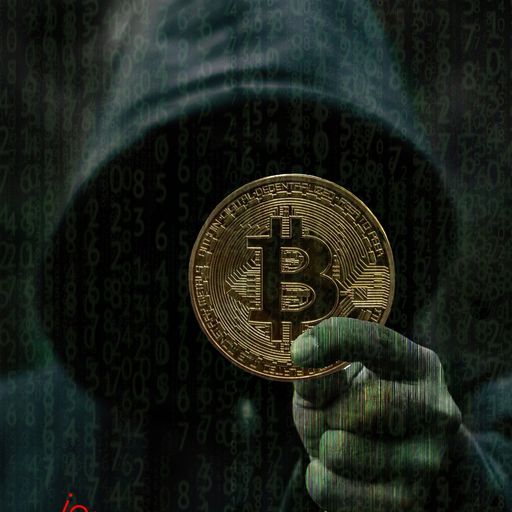
Are stock traders really gamblers? The truth you need to know
Have you ever heard that when you tell some people you “trade stocks,” they respond with “Oh, you’re gambling”? This conversation happens very frequently, along with the classic question “Is stock trading different from gambling?” Today, let’s decide whether stock trading is truly gambling or if only expert investors can distinguish themselves from “gamblers” in what ways.
Looks Similar, But Actually Very Different
On the surface, trading and gambling share some similarities. But deeper down, that’s where the differences lie.
Points that seem similar
But wait, the fundamental decision-making processes are entirely different
Gambling depends on “luck” or “probabilities that cannot be controlled.” You cannot analyze the cards or meaningfully calculate heads or tails.
Stock trading ( if done properly ) relies on in-depth analysis:
Tangible assets
Gambling = you just bet on the outcome; what you wagered disappears.
Stock trading = you are part of the company’s ownership. The company has real assets, actual income, intrinsic value.
Data and access
Gambling = limited information. Only the house or the dealer knows what the next card will be.
Trading = most information is publicly available. Financial statements are official, news, historical price data—all accessible via SET, company websites, financial media.
( Luck vs Skill
In gambling, “luck” guides the game.
In trading, “skill”—knowledge, experience, planning, risk management, and “discipline”—are keys to success.
) Regulations and safeguards
Gambling = mostly illegal or poorly regulated.
Trading = legal markets ###like SET### are overseen by regulatory bodies, with rules ensuring fairness, transparency, and investor protection.
Warning signs: When stock trading turns into gambling
Trading can easily become gambling if you:
How to keep stock trading away from “gambling”
( Before entering the real arena
Arm yourself with knowledge: study FA, TA, psychology, invest time in learning.
Have a clear trading plan: know where to enter, how much profit to take, where to cut losses, how much to invest.
Do homework and keep learning: markets always change. Knowledge alone isn’t enough. Follow news, review results, refine your system.
) In the real trading environment
Manage risk seriously: protecting your capital is more important than maximizing profits. Always set Stop Loss. Control position size. Assess Risk/Reward before entering. Use only “cold” money.
Control emotions and maintain discipline: fight greed and fear. Professional traders always consider risk first.
Start small and grow gradually: beginners shouldn’t rush. Test your system with small funds first. Learn from mistakes at low cost. Once confident, increase gradually.
Long-term vs Short-term: Are the risks different?
Long-Term Trading ###Long-Term Investing###
Philosophy: Build wealth gradually by focusing on real value and growth potential.
Method: Buy and hold for the long term. Use FA diligently. Don’t be swayed by short-term volatility.
Specific risks:
Is it gambling? If you analyze well, no. But if you buy without understanding, it’s no different from gambling. Suitable for patient, non-rushing investors.
( Short-Term Trading )Short-Term Trading###
Philosophy: Capture profits from short-term volatility (Day Trading or Swing Trading)
Method: Rely mainly on TA. Time entries and exits precisely.
Specific risks:
Riskier, but with good discipline, manageable.
Summary: Stock trading doesn’t have to be gambling
Is stock trading gambling? The clear answer: No, if you choose not to turn it into gambling.
The difference: disciplined trading relies on knowledge and analysis, clear plans, risk management, discipline and emotional control, and continuous learning.
Without these elements, trading easily becomes gambling.
The investment market offers opportunities for those who do their homework and maintain discipline. Choosing to trade with mindfulness and knowledge will help you survive and grow sustainably in this path.