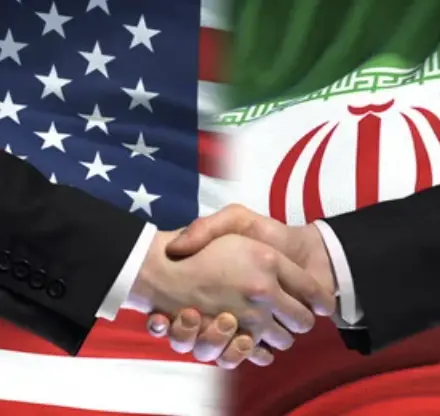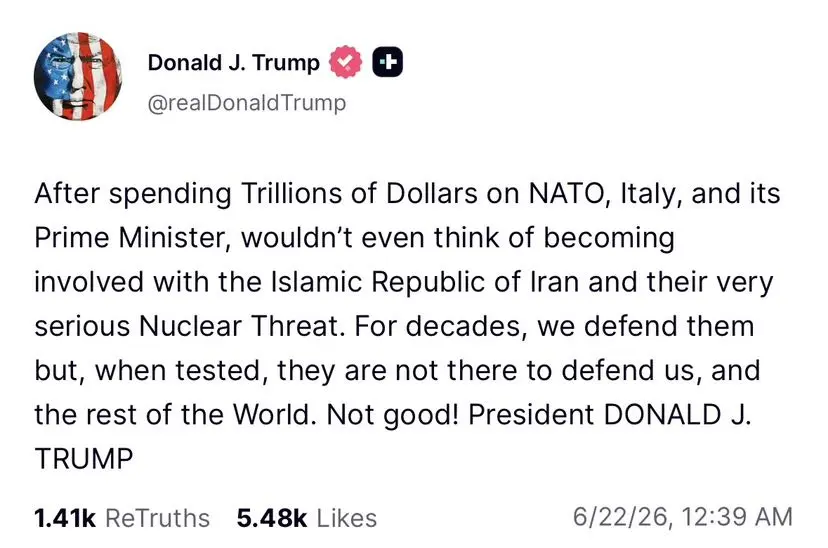


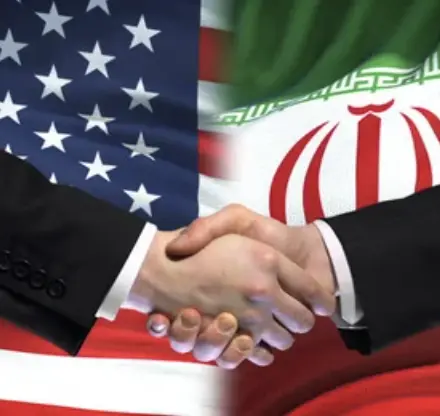




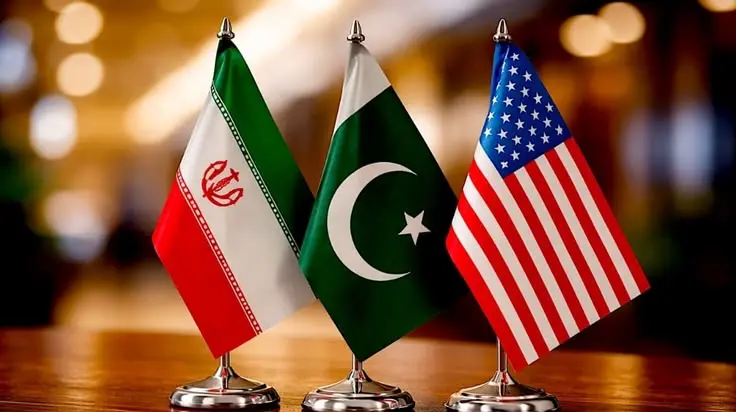
Diplomats are talking through the night in Switzerland, and the Iranian rial just hit a bottomless low. One U.S. dollar now buys 1,450,000 rials. A currency in freefall while its leaders negotiate peace. The two realities could not be further apart.
🔹 Talks Push Through the Night
A U.S. diplomat confirmed that negotiations with Iran, Pakistan, and Qatar began Sunday morning and continued nearly nonstop into the late hours. The primary focus was preventing friction in Lebanon and implementing ceasefire mechanisms. The conversation also covered the Strait of Hormuz, where the U.S. insisted on keeping the waterway fully open. Progress was described as solid, with all four parties expressing satisfaction with the trajectory.
🔹 Nuclear File and Technical Teams Engage
The discussions extended to all elements of the nuclear agreement and the practical application of the Memorandum of Understanding. A plan is in place to continue talks at both senior diplomatic and technical team levels after Monday's scheduled conclusion. Technical teams will likely remain in Switzerland to work through the details while the broader political dialogue pauses.
🔹 The Rial Plummets to a Historic Abyss
While diplomats spoke, Iran's currency crashed through every historical floor. 1,450,000 rials per dollar is an all-time low, reflecting years of sanctions, economic mismanagement, and the crushing cost of regional military entanglements. For ordinary Iranians, the collapse means savings vaporized and daily essentials priced in foreign currency. The gap between diplomatic progress and economic reality on the ground is a chasm.
🔹 Oil Holds Its Breath on Hormuz
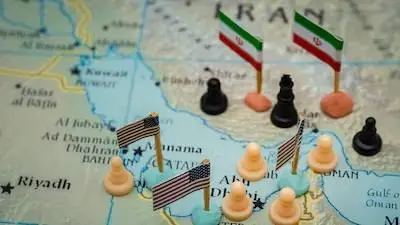
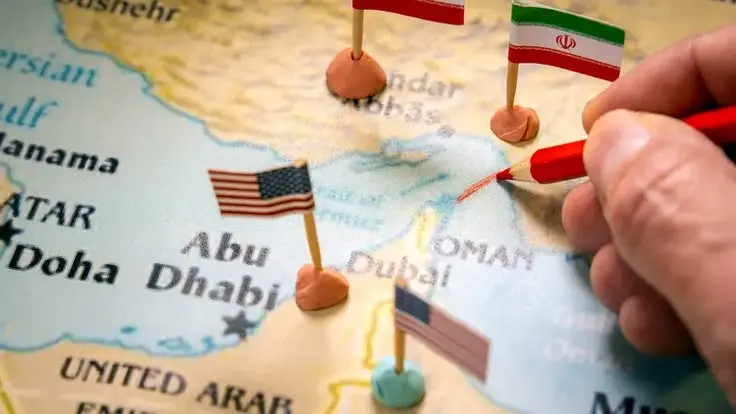
The Strait of Hormuz remains open, and the diplomatic channel is keeping it that way. Brent crude, already retreating on the signed MOU, is steady near the mid-$70s. A fully implemented ceasefire that includes Lebanon could push oil lower still, while any breakdown in the Swiss talks would spike it right back. The energy market is trading on every word from the negotiating table.
🔹 Geopolitical Whiplash Defines the Week
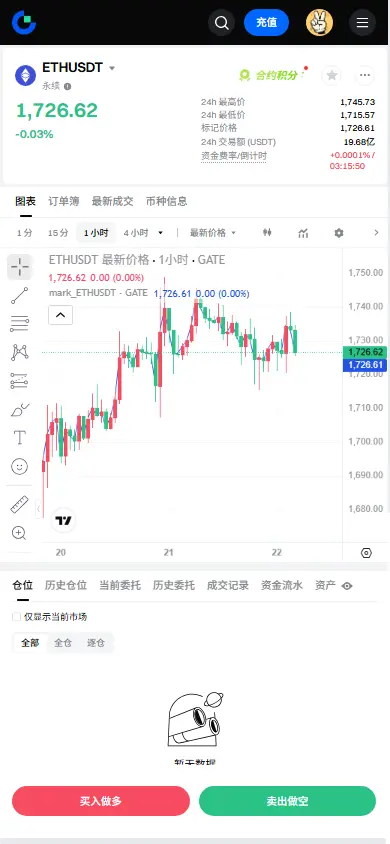
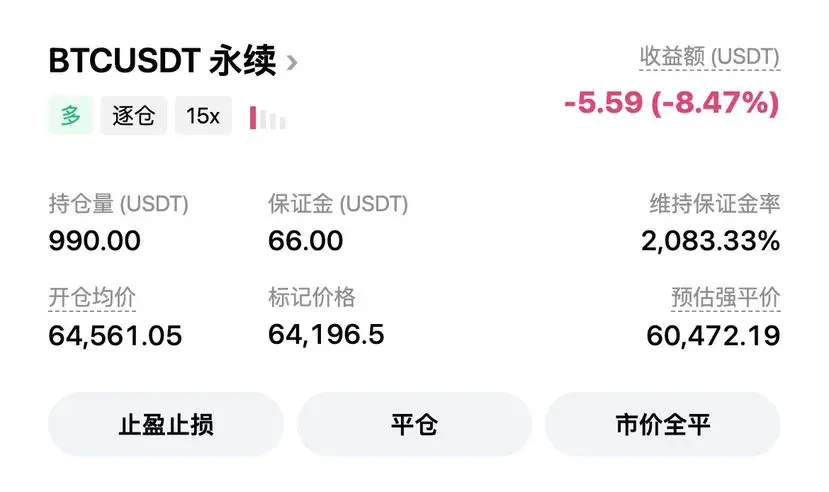
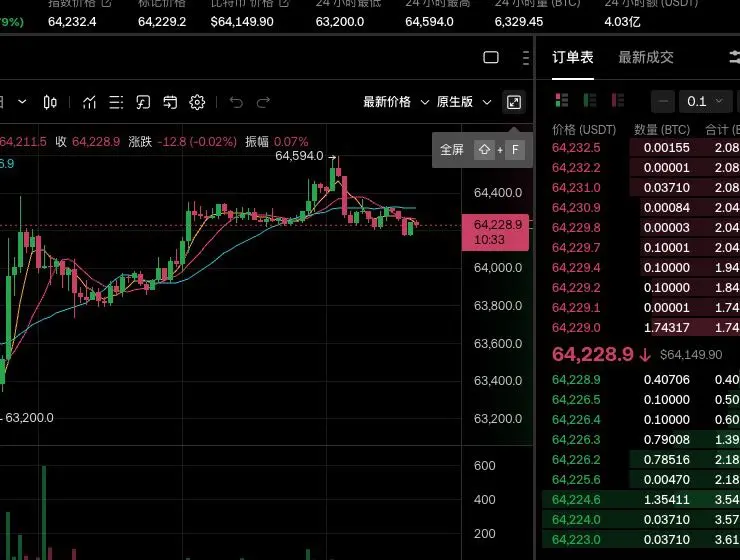
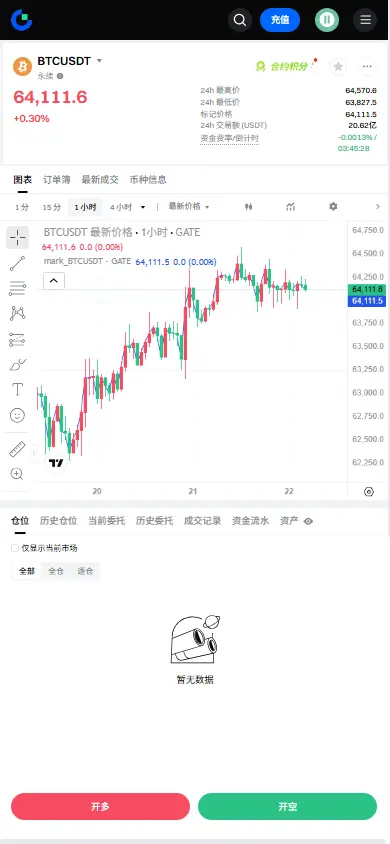
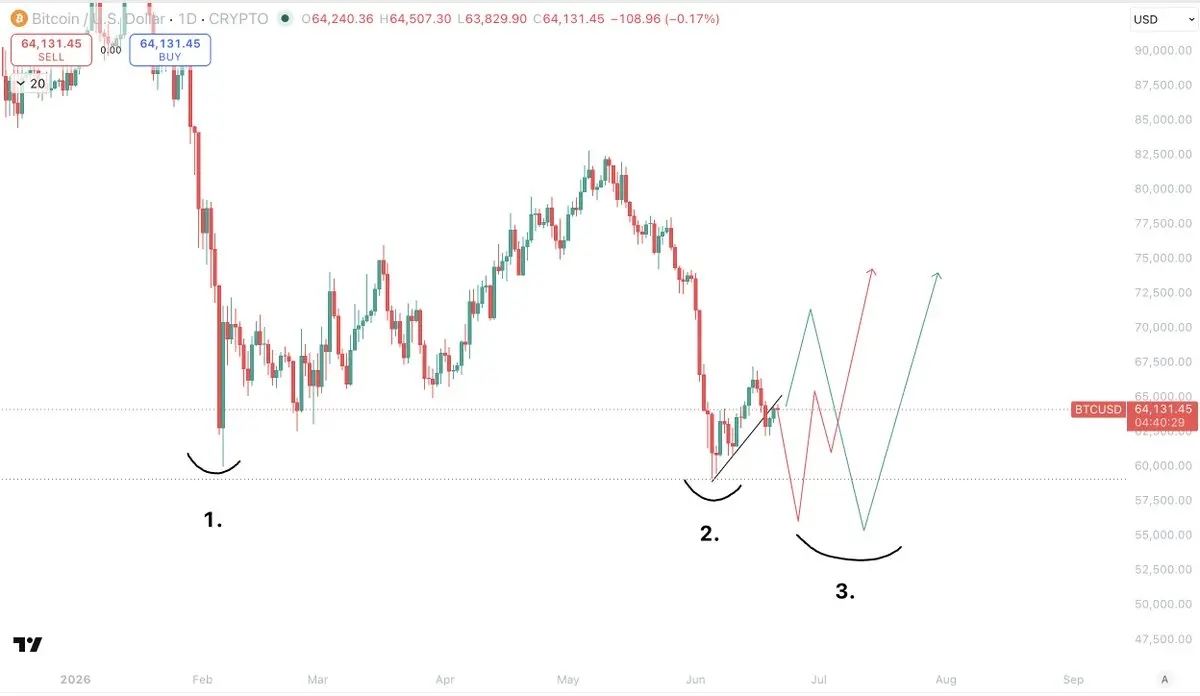
Gold just suffered its largest weekly selloff since 1983. Silver is coiling. Bitcoin holds $64,000 despite record ETF outflows. The macro chessboard is being rearranged by a single set of talks in Geneva. Peace is being priced in, but the Iranian street is paying a price that no MOU can immediately fix.
A currency crashing, a strait reopening, and four nations talking past midnight. The world is pivoting in real time.
Friends, do you believe these talks will deliver lasting stability, or is the rial's collapse a warning that economic pain will outlast any ceasefire?
#MyGateTradeStory
#USIranTalksPostponed
This content is for informational purposes only and does not constitute financial advice.
🔹 Talks Push Through the Night
A U.S. diplomat confirmed that negotiations with Iran, Pakistan, and Qatar began Sunday morning and continued nearly nonstop into the late hours. The primary focus was preventing friction in Lebanon and implementing ceasefire mechanisms. The conversation also covered the Strait of Hormuz, where the U.S. insisted on keeping the waterway fully open. Progress was described as solid, with all four parties expressing satisfaction with the trajectory.
🔹 Nuclear File and Technical Teams Engage
The discussions extended to all elements of the nuclear agreement and the practical application of the Memorandum of Understanding. A plan is in place to continue talks at both senior diplomatic and technical team levels after Monday's scheduled conclusion. Technical teams will likely remain in Switzerland to work through the details while the broader political dialogue pauses.
🔹 The Rial Plummets to a Historic Abyss
While diplomats spoke, Iran's currency crashed through every historical floor. 1,450,000 rials per dollar is an all-time low, reflecting years of sanctions, economic mismanagement, and the crushing cost of regional military entanglements. For ordinary Iranians, the collapse means savings vaporized and daily essentials priced in foreign currency. The gap between diplomatic progress and economic reality on the ground is a chasm.
🔹 Oil Holds Its Breath on Hormuz
The Strait of Hormuz remains open, and the diplomatic channel is keeping it that way. Brent crude, already retreating on the signed MOU, is steady near the mid-$70s. A fully implemented ceasefire that includes Lebanon could push oil lower still, while any breakdown in the Swiss talks would spike it right back. The energy market is trading on every word from the negotiating table.
🔹 Geopolitical Whiplash Defines the Week
Gold just suffered its largest weekly selloff since 1983. Silver is coiling. Bitcoin holds $64,000 despite record ETF outflows. The macro chessboard is being rearranged by a single set of talks in Geneva. Peace is being priced in, but the Iranian street is paying a price that no MOU can immediately fix.
A currency crashing, a strait reopening, and four nations talking past midnight. The world is pivoting in real time.
Friends, do you believe these talks will deliver lasting stability, or is the rial's collapse a warning that economic pain will outlast any ceasefire?
#MyGateTradeStory
#USIranTalksPostponed
This content is for informational purposes only and does not constitute financial advice.