Explore the fundamentals of blockchain blocks and their functionality. Gain insights into block architecture, cryptographic validation, mining processes, and the critical role blocks play in Web3 technology. This comprehensive beginner's guide offers a clear and structured introduction for those entering the field.
Definition of Block
In blockchain technology, a block is a computer file used to store transaction data. Blocks are the fundamental units that make up a blockchain system. Each block contains essential details about transactions that have occurred on the network, creating an immutable and permanent record.
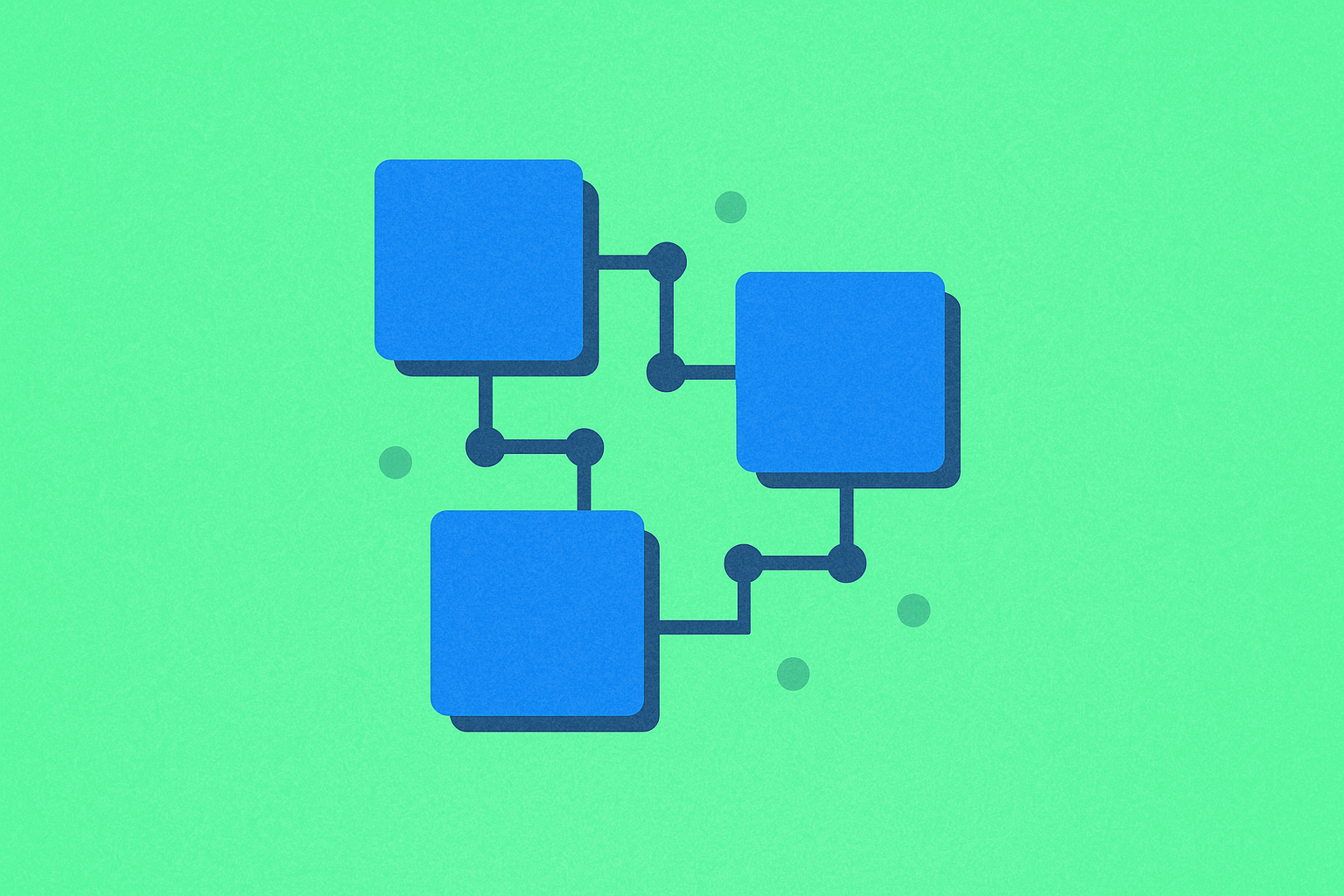
The word "blockchain" comes from the way these blocks are structured—they are linked together in a linear, sequential fashion that forms an unending chain. All transaction information within a blockchain is collected and recorded in these blocks. Each new block attaches to its predecessor using advanced cryptographic methods, establishing a secure, verifiable connection between each block in the sequence.
Structure and History of Blockchain
The connected chain of blocks stores every transaction that has taken place since the blockchain network launched. This record traces all the way back to the very first block, known as the genesis block or block zero. This foundational block marks the origin of the entire blockchain.
The number of confirmed blocks added to the chain since the genesis block is called the block height. This metric is key for tracking a blockchain network’s growth and maturity over time.
Components of a Block
In the Bitcoin blockchain, for example, blocks consist of several components that work together to create a complete transaction record. Bitcoin blocks typically include a list of recent transactions confirmed by the network. Each block also features a timestamp for when it was created and a pointer to the immediately preceding block.
This pointer is especially significant—it is a cryptographic hash of the previous block’s data. The hash acts as a unique identifier and forms the cryptographic link that chains blocks together in a secure sequence.
Cryptographic Linking and Mining
Every new block includes the hash of the previous block, which is what cryptographically connects them. This design enables a blockchain to serve as a secure database that is highly resistant to tampering, since any attempt to alter historical data would break the cryptographic chain.
The block hash is the result of solving a complex mathematical puzzle. Each block’s hash is unique and is generated through a process called mining. Miners compete to find valid solutions for the next block, and the miner who solves the cryptographic puzzle first earns the right to validate that block and its transactions.
Mining demands significant computing resources, so successfully mined blocks generate new cryptocurrency as rewards for miners—a system called the block reward. This incentive keeps miners engaged in securing and validating the network.
Block Competition and Orphan Blocks
Sometimes, two or more miners discover a valid block hash at the same time, resulting in two different blocks being broadcast simultaneously. This creates two competing chains that temporarily diverge.
To resolve this, network nodes follow a consensus mechanism and choose the chain that eventually becomes the longest and accumulates the most work. The alternative chain is abandoned, and its blocks become stale, also known as orphan blocks. This process ensures the network ultimately converges on a single, canonical blockchain.
Extended Applications
While blocks are most often discussed in the context of cryptocurrency transactions, they can also store other types of digital data on blockchain systems. The core idea of organizing information into cryptographically linked blocks applies to many uses beyond finance, such as supply chain management, digital identity verification, and smart contract execution. This flexibility highlights the broad potential of blockchain technology beyond its initial cryptocurrency focus.
FAQ
What is a block in the blockchain?
A block is a data container on the blockchain that stores a set of verified transactions. After it’s filled and confirmed, it’s added to the existing chain.
Blocks are created by miners who solve complex mathematical problems in the mining process. Once a block is created, the network verifies it and adds it to the blockchain after validating all transactions.
What is a block’s size limit and why is it necessary?
A block has a maximum size of 1024 threads to match GPU processing units. This limit boosts execution efficiency and prevents system resource exhaustion.
How are blocks and transactions related in the blockchain?
A block acts as a container for transactions. Multiple transactions are bundled into a single block, which includes transaction amounts, timestamps, and other details. Transactions are the basic units of a block, and blocks maintain blockchain integrity by recording and verifying these transactions.
The block header is a core part of blockchain structure containing critical metadata. It includes the previous block’s hash, a timestamp, the Merkle root, difficulty, nonce, and other vital data that ensure the chain’s integrity and continuity.
Blockchains secure data with cryptographic hashes and distributed consensus. Each block is cryptographically linked to the previous one, so any change is immediately detected by the network. Distributed consensus prevents tampering and ensures data remains immutable.
* The information is not intended to be and does not constitute financial advice or any other recommendation of any sort offered or endorsed by Gate.