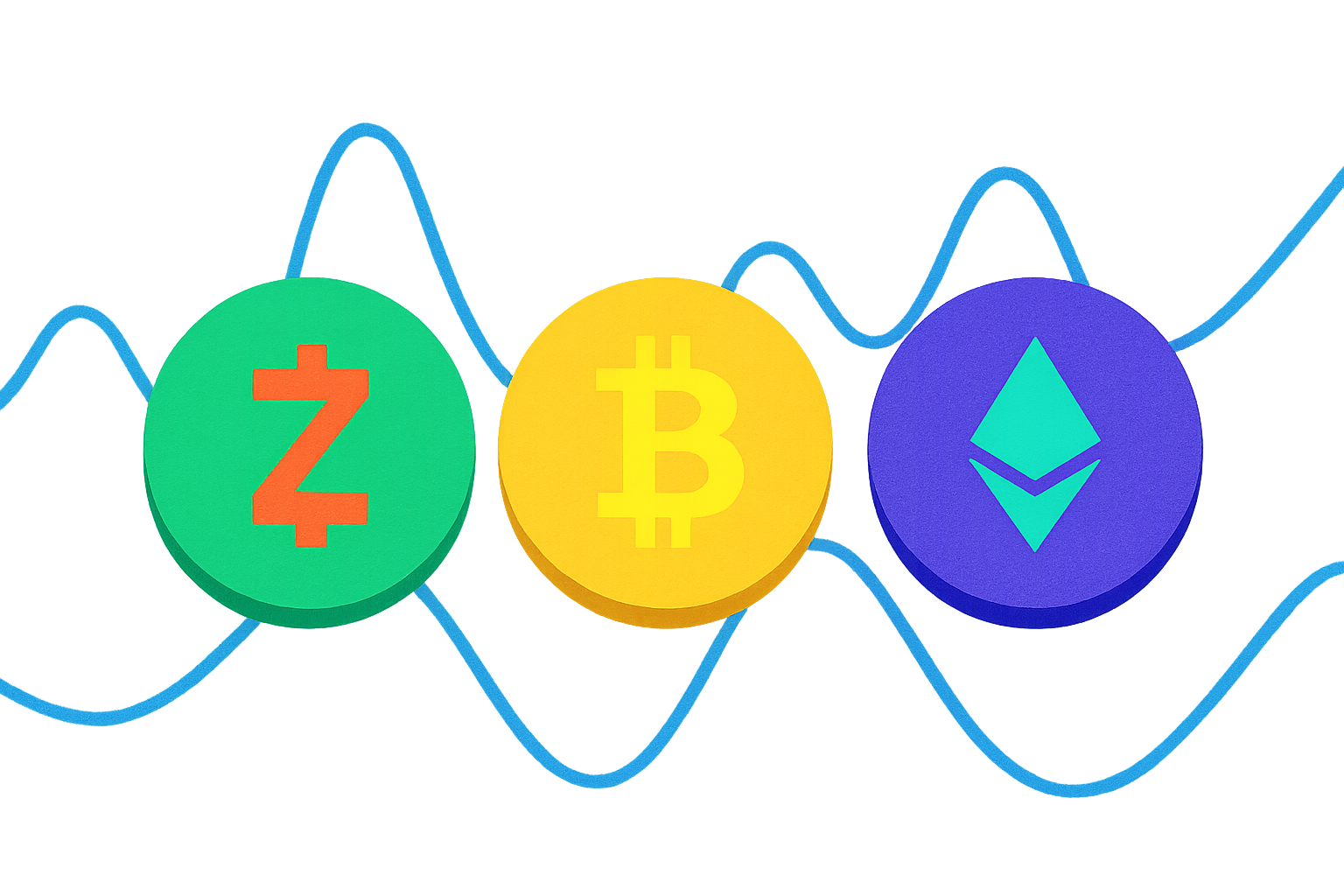
Digital Currency (Coin)


Definition and Characteristics
A digital coin (Coin) is a cryptocurrency or digital asset that operates independently from any specific blockchain or platform. Its core distinction lies in functioning as a true currency, and this term can also refer to a crypto asset that is not categorized as a token.
Unlike tokens, coins are not intended to serve specific functions such as facilitating votes within a community or representing storage capacity on a decentralized cloud service. Instead, a coin runs on its own standalone blockchain and acts as the native currency within a defined financial ecosystem.
Difference Between Coins and Tokens
A coin primarily serves as a medium of exchange or store of value within a digital economic network. Most blockchains operate as decentralized distributed ledgers that track and validate every transaction, and their native coins are used exclusively for transfers among participants in that particular network.
Trading and Exchange
Coins can be traded as units of currency at values determined by prevailing market conditions. In some cases, they can be swapped for other coins or tokens from different blockchains, either through a cryptocurrency exchange or via private transfers such as peer-to-peer transactions and over-the-counter trades. Decentralized exchanges and atomic swaps also offer effective options for trading both coins and tokens.
Initial Coin Offerings (ICO)
Many companies and startups in the blockchain space raise capital before launching their own blockchain, often through an Initial Coin Offering (ICO) for public sale. Most ICO fundraising events have occurred on the Ethereum network, where tokens are issued according to the ERC20 token standard protocol (ERC20). Rather than issuing their own native coin, these companies opt to create a digital token deployed on an existing blockchain.
Token Conversion and Future Launch
ICO tokens are usually offered in exchange for Bitcoin or Ethereum, but some startups have also accepted fiat currencies or other cryptocurrencies during fundraising. In certain situations, these tokens represent a future project and are designed to be replaced with native coins once the blockchain is fully launched.
FAQ
What is a Coin?
A coin is a decentralized digital asset built on blockchain technology, providing both transactional and store-of-value utility within its ecosystem. Coins offer high liquidity, secure consensus mechanisms, and support for payments and smart contracts.
What is the best digital currency to buy right now?
Bitcoin and Ethereum are currently the leading options for purchase, offering the highest value accumulation and exceptional liquidity. Market outlooks suggest robust growth in the next quarter.
How can you make money from Bitcoin?
You can profit from Bitcoin through several strategies: buying and holding for long-term appreciation, engaging in day trading to exploit price volatility, mining new coins, or lending Bitcoin to earn interest. Select the method that best matches your expertise and risk tolerance.
Is there a digital currency with long-term potential?
Yes, digital currencies have a strong outlook. With increasing adoption by major institutions and governments, along with ongoing advancements in blockchain technology, these currencies are projected to experience substantial growth, greater demand, and broader real-world use in the years ahead.
How can I buy digital currencies securely?
Choose a reputable platform and activate two-factor authentication on your account. Store your digital currencies in a secure wallet, never share your private keys, and only buy from trusted sources.
What are digital wallets and how do they protect my assets?
Digital wallets safeguard your private keys and manage your digital assets securely. Strong encryption and private key management ensure that only you can access your holdings—without third-party intermediaries.
What are the main risks and benefits of investing in digital currencies?
Benefits: Potentially high returns, portfolio diversification, strong liquidity, and innovative technology. Risks: Significant price volatility, exposure to political events, security challenges, and evolving regulatory environments.
Share
Content
How to Buy Cryptocurrency


Trending Cryptocurrencies



Everything You Need to Know About QFS Account
What is KYC and why is verification becoming increasingly important in the crypto industry

How to Report a Scammer on Telegram

What Are Crypto Credentials?

Gate Launchpad Welcomes Ika (IKA): The Future of Privacy Computing on Sui
How to Identify a Fake Telegram Account: The Ultimate Guide for Web3 Users
What are the key derivative market signals for crypto trading in 2026: futures open interest, funding rates, and liquidation data explained?
What are the compliance and regulatory risks of BROCCOLI crypto in 2026?
What is Shuffle Casino?

Understanding Meme Index Investment Risks and Opportunities: The Truth Behind the GMCI Index
How does on-chain data analysis explain Zcash's 2200% price surge and 200,000 tokens unshielded in January 2026?