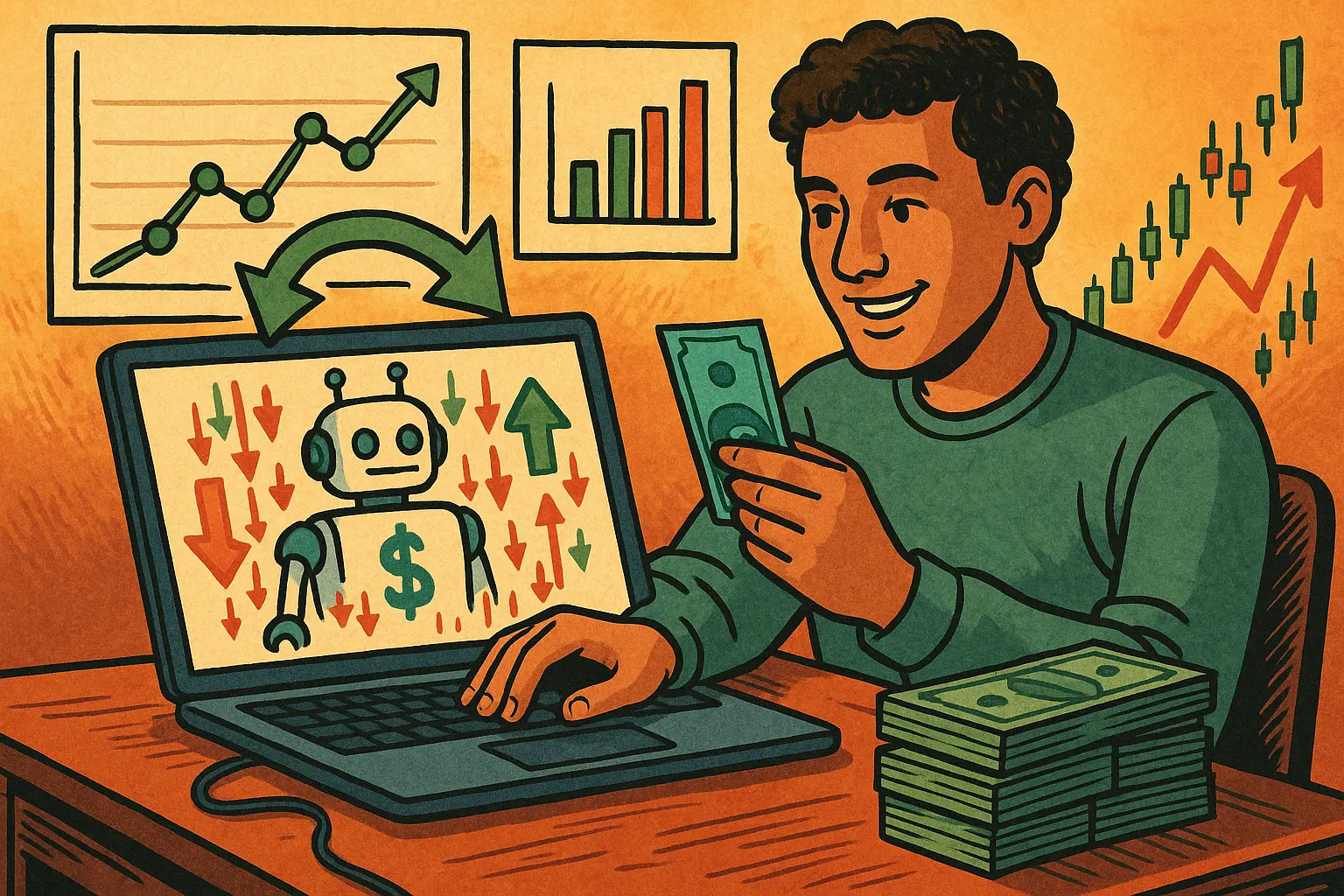
Cryptocurrency traders are using Anthropic’s Claude AI model to develop automated trading bots for prediction markets like Polymarket. These bots connect to Polymarket’s API, scan news in real-time, analyze probability deviations, and execute trades automatically, sometimes within just a few seconds. Some traders claim that during periods of political and economic turmoil, this strategy has generated profits ranging from thousands to millions of dollars.
Pricing Logic and Arbitrage Fundamentals in Prediction Markets
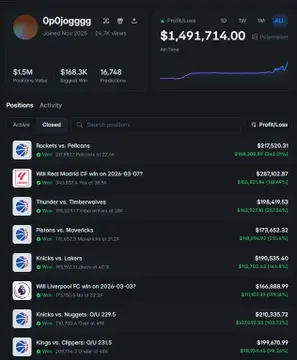
(Source: Polymarket)
Polymarket operates with a relatively straightforward mechanism: users buy “Yes” or “No” shares, betting on the outcome of a specific event. Each share is priced between $0 and $1, reflecting the market’s collective estimate of the event’s probability. For example, if a share is priced at $0.40, the market estimates a 40% chance of the event occurring; after the event concludes, the shares corresponding to the correct outcome settle at $1, while the incorrect ones become worthless.
The core logic of Claude-driven bots is to identify systematic discrepancies between market prices and their own probability models’ estimates. When the model assesses an event’s true probability at 60%, but the market prices it at only 40%, the bot automatically buys, betting that the market will eventually correct itself toward the more accurate estimate.
Three Core Strategies of Claude AI Bots
Real-Time Information Arbitrage: Claude integrates multiple data streams to analyze breaking news, government documents, economic data releases, and social media posts in real-time, automatically summarizing and scoring the information. This enables the bot to adjust positions within seconds of critical information emerging, far faster than human traders.
Cross-Platform Price Arbitrage: Claude generates Python scripts that scan multiple prediction markets simultaneously, seeking pricing differences for the same event across platforms. If an event is priced at 55% on Platform A and 65% on Platform B, the bot buys low on one and sells high on the other, attempting to lock in profit from the discrepancy. This strategy relies heavily on market liquidity.
Automated Risk Management: Traders instruct Claude to generate systematic risk management scripts that set position size limits, diversify investments across markets, and trigger automatic exits during extreme volatility, transforming human judgment into rule-based engines.
Profitability Limits: Data Quality and Market Efficiency Are Key Variables
Some traders claim that these strategies have yielded significant profits during major political or macroeconomic events. However, the actual arbitrage potential in prediction markets is constrained by three core factors: data quality determines the accuracy of probability inputs; latency and execution speed affect the ability to capture pricing deviations; and in highly liquid markets, even tiny mispricings can be eliminated within seconds by other participants, leaving little room for profit for latecomers.
As more AI-driven bots enter prediction markets, overall pricing efficiency may continue to improve, further shrinking arbitrage opportunities.
Frequently Asked Questions
What are prediction markets, and how do they differ from traditional crypto trading?
Prediction markets allow users to bet on the outcomes of specific events. For example, on Polymarket, users buy “Yes” or “No” shares, with prices reflecting the market’s estimate of the event’s probability (from $0 to $1). Unlike traditional crypto trading, the final settlement of prediction markets depends on real-world event outcomes, not asset supply and demand.
How is Claude AI used to build Polymarket trading bots?
Traders use Claude’s programming capabilities to generate Python scripts that connect to Polymarket’s API, automatically monitor market prices, analyze news and data in real-time, and execute trades under certain conditions. Claude is also used to generate automated risk management scripts, systematizing position management.
What are the main risks of using AI bots for prediction market trading?
Major risks include: poor data quality leading to biased probability models; arbitrage windows closing within seconds in highly liquid markets; technical failures (such as API outages or script errors) causing unexpected losses; and the ongoing increase in market efficiency as more AI bots participate, continuously reducing arbitrage opportunities.
Disclaimer: The information on this page may come from third parties and does not represent the views or opinions of Gate. The content displayed on this page is for reference only and does not constitute any financial, investment, or legal advice. Gate does not guarantee the accuracy or completeness of the information and shall not be liable for any losses arising from the use of this information. Virtual asset investments carry high risks and are subject to significant price volatility. You may lose all of your invested principal. Please fully understand the relevant risks and make prudent decisions based on your own financial situation and risk tolerance. For details, please refer to
Disclaimer.


