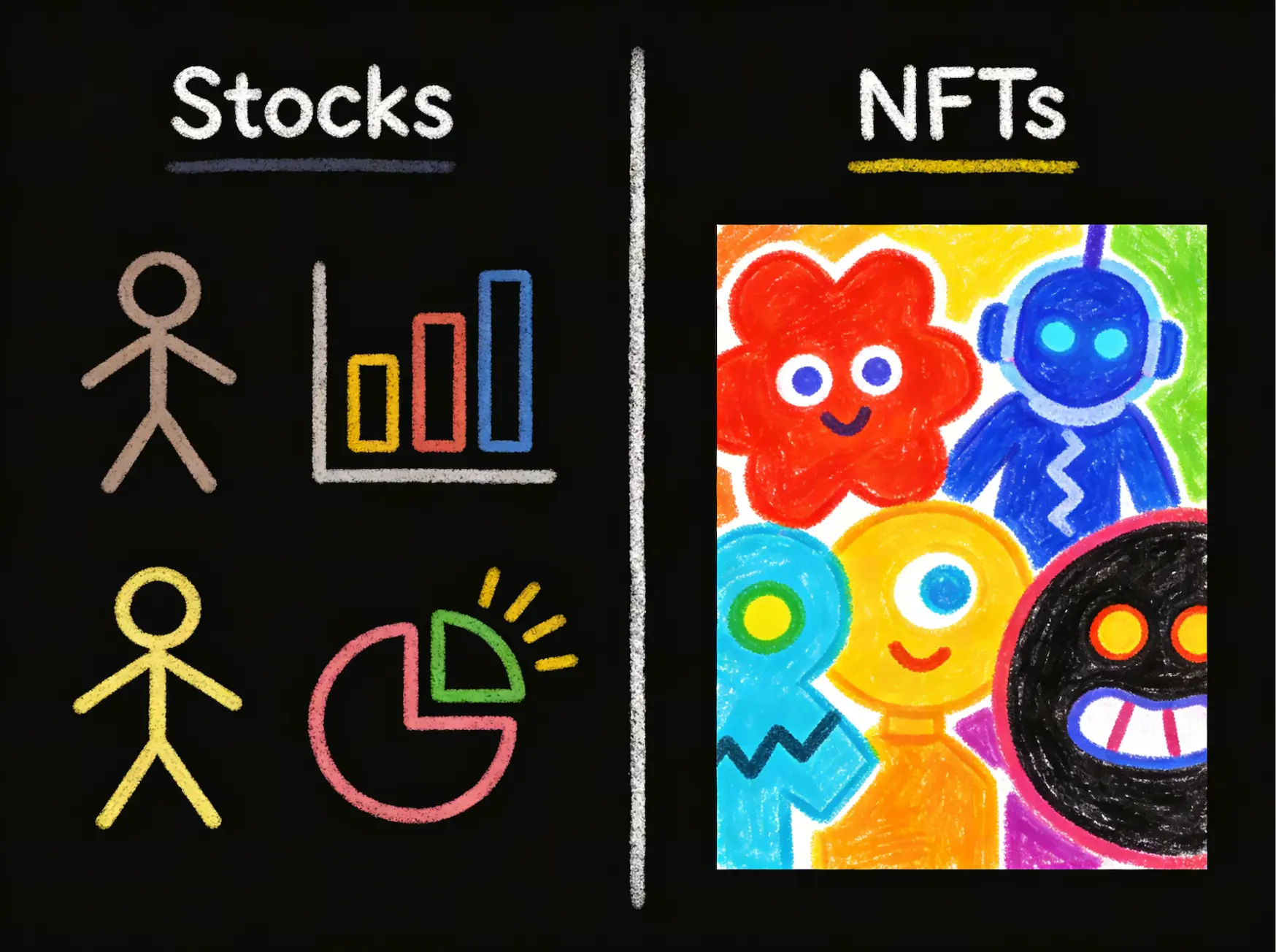
 U.S. Securities and Exchange Commission (SEC) Chair Paul Atkins explained on March 18, 2026, that nonfungible tokens (NFTs) are typically treated as digital collectibles rather than investment contracts, placing them outside the agency’s securities jurisdiction under a new interpretive framework issued jointly with the Commodity Futures Trading Commission (CFTC).
In a CNBC interview following the release, Atkins emphasized that digital collectibles—like physical collectibles such as baseball cards—are “something that somebody buys” in “an immutable purchase,” distinguishing them from assets where “people are trading it” based on promises of profits from others’ efforts.
The framework identifies four broad categories of digital assets that generally fall outside securities laws: digital commodities, digital tools, digital collectibles (including NFTs and memecoins), and stablecoins, while reaffirming that the analysis ultimately hinges on the specific “facts and circumstances” of each asset under the Howey Test.
SEC’s Digital Asset Classification Framework
Four Categories Outside Securities Jurisdiction
The interpretive release, issued jointly with the CFTC, establishes that the following digital asset types are typically not considered securities:
Digital commodities: Assets intrinsically linked to and deriving value from programmatic operation of functional crypto systems and supply-demand dynamics
Digital tools: Utility-focused tokens providing access to platform functionality
Digital collectibles: NFTs, memecoins, and similar assets purchased for their own sake rather than as investments
Stablecoins: Dollar-pegged assets backed by reserves
Atkins stated that this framework reflects a collaborative stance allowing companies to seek clarity without immediate enforcement risk, marking a departure from the agency’s prior reliance on enforcement actions.
Howey Test Application
During the CNBC interview, host Andrew Ross Sorkin pressed Atkins on whether digital collectibles could resemble securities depending on their structure. Atkins replied: “Well, that’s true with anything,” emphasizing that the SEC’s analysis still hinges on the facts and circumstances of each asset, particularly whether it involves an investment contract under the longstanding legal precedent from SEC v. W.J. Howey Co.
The key factor, Atkins explained, is whether developers make promises of profits or undertake ongoing managerial efforts that create investor expectations of returns. Assets that function primarily as collectibles or tools, without such promises, are less likely to be treated as securities. However, hybrid structures that include profit-sharing elements could still fall under SEC oversight.
Why NFTs Are Generally Not Securities
Collectibles Distinction
Atkins offered specific clarity on NFTs during the interview, stating: “Some of these collectibles, like a baseball card, a meme or one of those memecoins, NFTs—those are something that somebody buys. It’s an immutable purchase… it’s not something like another asset where people are trading it.”
This characterization distinguishes NFTs purchased for their intrinsic value as collectibles from assets acquired with the expectation of profits derived from the efforts of others—the defining feature of an investment contract under securities laws.
Immutable Purchase Concept
The “immutable purchase” framing suggests that when buyers acquire NFTs for personal enjoyment, collecting, or utility within specific applications, rather than with the expectation of financial returns from developers’ ongoing efforts, the transaction falls outside securities regulation. This aligns with how physical collectibles markets operate without SEC oversight.
Shift from Enforcement-Led Regulation
Breaking with the Past
Atkins described the framework as part of a fundamental recalibration: “We’re breaking with the past.” The SEC has moved away from what Atkins previously criticized as “regulation through enforcement” toward providing clearer guidance and a more predictable regulatory framework for the digital asset sector.
The shift coincides with the arrival of a more crypto-friendly Trump administration in early 2025. Atkins has stated that past regulatory missteps left the United States lagging in crypto development by as much as a decade and has pledged to reverse that trend.
Tokenization as Priority
Atkins pointed to tokenization as a key innovation that regulators should support rather than restrict. The framework aims to reduce uncertainty by offering clearer definitions and practical guidance, allowing companies to build within a known regulatory perimeter.
Regulatory Process and Next Steps
Current Legal Status
The interpretive guidance is not legally binding and could face court challenges. However, the SEC plans to pursue formal rulemaking to solidify these distinctions and potentially introduce exemptions for certain digital asset categories.
Coordination with CFTC
The framework reflects joint agency coordination, with the CFTC providing guidance that it will administer the Commodity Exchange Act consistently with the SEC’s interpretation. This coordinated approach aims to reduce regulatory turf wars and establish clearer jurisdictional boundaries.
Frequently Asked Questions
Why are NFTs not considered securities according to the SEC?
Chair Atkins explained that NFTs are typically treated as digital collectibles—items purchased for their own sake in “immutable purchases,” similar to physical collectibles like baseball cards. Unlike securities, they generally do not involve promises of profits from the entrepreneurial or managerial efforts of others, which is the defining characteristic of an investment contract under the Howey Test.
What four categories of digital assets fall outside SEC securities jurisdiction?
The SEC’s interpretive framework identifies digital commodities, digital tools, digital collectibles (including NFTs and memecoins), and stablecoins as asset types that are generally not considered securities. However, the analysis remains fact-specific, and hybrid structures incorporating profit-sharing elements could still trigger securities laws.
Does this mean all NFTs are exempt from securities regulation?
No. While most NFTs will likely fall under the digital collectibles category, the SEC emphasized that the analysis depends on specific facts and circumstances. If an NFT is structured with promises of profits, ongoing managerial efforts by developers that create investor expectations, or other investment contract features, it could still be treated as a security. The framework provides guidance but does not create a blanket exemption.
Disclaimer: The information on this page may come from third parties and does not represent the views or opinions of Gate. The content displayed on this page is for reference only and does not constitute any financial, investment, or legal advice. Gate does not guarantee the accuracy or completeness of the information and shall not be liable for any losses arising from the use of this information. Virtual asset investments carry high risks and are subject to significant price volatility. You may lose all of your invested principal. Please fully understand the relevant risks and make prudent decisions based on your own financial situation and risk tolerance. For details, please refer to
Disclaimer.


