

Trade
Basic
Futures
Futures
Hundreds of contracts settled in USDT or BTC
TradFi
Gold
Trade global traditional assets with USDT in one place
Options
Hot
Trade European-style vanilla options
Unified Account
Maximize your capital efficiency
Demo Trading
Futures Kickoff
Get prepared for your futures trading
Futures Events
Participate in events to win generous rewards
Demo Trading
Use virtual funds to experience risk-free trading
Earn
Launch
CandyDrop
Collect candies to earn airdrops
Launchpool
Quick staking, earn potential new tokens
HODLer Airdrop
Hold GT and get massive airdrops for free
Launchpad
Be early to the next big token project
Alpha Points
Trade on-chain assets and enjoy airdrop rewards!
Futures Points
Earn futures points and claim airdrop rewards
Investment
Simple Earn
Earn interests with idle tokens
Auto-Invest
Auto-invest on a regular basis
Dual Investment
Buy low and sell high to take profits from price fluctuations
Soft Staking
Earn rewards with flexible staking
Crypto Loan
0 Fees
Pledge one crypto to borrow another
Lending Center
One-stop lending hub
VIP Wealth Hub
Customized wealth management empowers your assets growth
Private Wealth Management
Customized asset management to grow your digital assets
Quant Fund
Top asset management team helps you profit without hassle
Staking
Stake cryptos to earn in PoS products
Smart Leverage
New
No forced liquidation before maturity, worry-free leveraged gains
GUSD Minting
Use USDT/USDC to mint GUSD for treasury-level yields

More



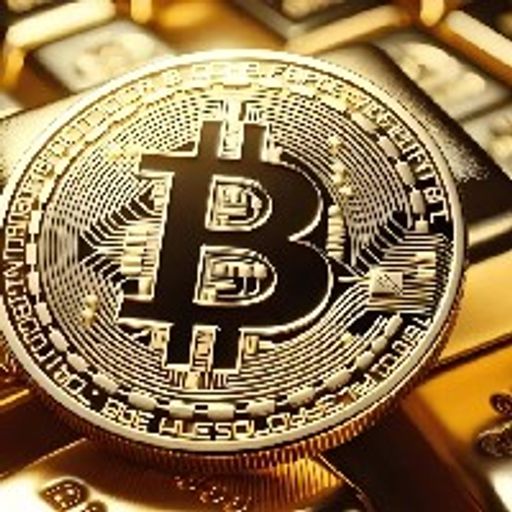



#AltcoinCapitalAndCycles Altcoin markets continue to move in structured yet frequently misunderstood cycles, driven less by hype and more by systematic capital rotation. As the digital asset market matures, understanding how liquidity migrates between Bitcoin, large-cap altcoins, and speculative sectors has become a critical skill for navigating volatility and avoiding emotionally driven decisions.
At the beginning of a broader market cycle, capital almost always consolidates in Bitcoin. Investors seek liquidity, security, and directional confirmation, causing Bitcoin dominance to rise while most altcoins remain suppressed or range-bound. This phase is often misread as a lack of opportunity, but in reality it represents a period of risk assessment where capital waits for macro and market clarity.
As confidence improves and Bitcoin transitions from strong directional movement into consolidation, capital begins its first outward rotation. Large-cap altcoins—including Ethereum and other established Layer 1 and infrastructure projects—typically benefit first. These assets provide a balance between relative safety and increased upside, signaling that risk appetite is expanding beyond Bitcoin while still favoring liquidity and market credibility.
The true altcoin expansion phase follows once large caps establish momentum. Capital then spreads into mid-cap assets and narrative-driven sectors such as AI, DeFi, gaming, real-world assets (RWA), modular infrastructure, and interoperability. Volatility accelerates, returns become increasingly asymmetric, and participation from retail traders intensifies. During this stage, narrative strength, timing, and momentum often outweigh fundamentals, creating both opportunity and risk.
Late-cycle conditions emerge when capital fragments across low-cap and highly speculative tokens. Liquidity becomes thin, price discovery becomes unstable, and market manipulation risk increases. While returns can appear extraordinary, this phase historically carries the highest downside risk. Exits become crowded, and reversals are often sudden and severe, catching late entrants off guard.
When the cycle resets, capital does not disappear—it reorganizes. Following market-wide corrections, funds typically rotate back into Bitcoin, stablecoins, or a small group of fundamentally strong altcoins with real adoption, revenue models, and active development. This consolidation phase is essential, as it lays the groundwork for the next cycle and determines which projects will lead future rotations.
Looking ahead, altcoin cycles are likely to become more compressed, selective, and narrative-sensitive, influenced by macro liquidity, regulatory clarity, and evolving on-chain infrastructure. Not every altcoin will participate equally, and capital will increasingly favor ecosystems that demonstrate utility, scalability, and sustainable demand.
Ultimately, long-term success in altcoin markets is less about prediction and more about positioning and patience. Understanding where capital is flowing—and why—matters far more than chasing every breakout. Altcoin cycles reward those who align with capital rotation, manage risk effectively, and recognize that timing is often more powerful than conviction.