

Trade
Basic
Futures
Futures
Hundreds of contracts settled in USDT or BTC
Options
HOT
Trade European-style vanilla options
Unified Account
Maximize your capital efficiency
Demo Trading
Futures Kickoff
Get prepared for your futures trading
Futures Events
Participate in events to win generous rewards
Demo Trading
Use virtual funds to experience risk-free trading
Earn
Launch
CandyDrop
Collect candies to earn airdrops
Launchpool
Quick staking, earn potential new tokens
HODLer Airdrop
Hold GT and get massive airdrops for free
Launchpad
Be early to the next big token project
Alpha Points
NEW
Trade on-chain assets and enjoy airdrop rewards!
Futures Points
NEW
Earn futures points and claim airdrop rewards
Investment
Simple Earn
Earn interests with idle tokens
Auto-Invest
Auto-invest on a regular basis
Dual Investment
Buy low and sell high to take profits from price fluctuations
Soft Staking
Earn rewards with flexible staking
Crypto Loan
0 Fees
Pledge one crypto to borrow another
Lending Center
One-stop lending hub
VIP Wealth Hub
Customized wealth management empowers your assets growth
Private Wealth Management
Customized asset management to grow your digital assets
Quant Fund
Top asset management team helps you profit without hassle
Staking
Stake cryptos to earn in PoS products
Smart Leverage
NEW
No forced liquidation before maturity, worry-free leveraged gains
GUSD Minting
Use USDT/USDC to mint GUSD for treasury-level yields

More


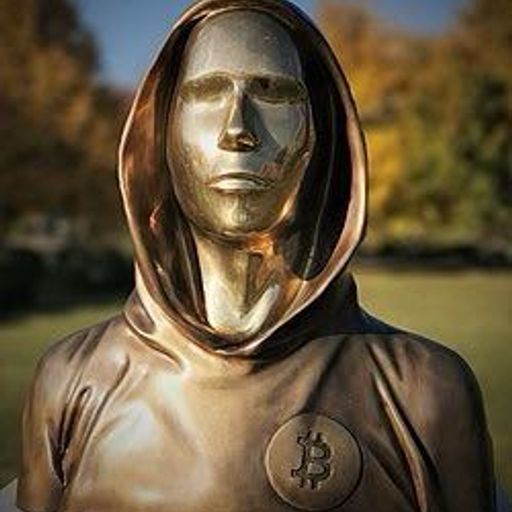

The ecological structure of the crypto market can actually be understood as a pyramid, with each layer having different characteristics and risks, from the foundational bottom to the upper applications.
The tip of the pyramid is Bitcoin (BTC), serving as the cornerstone of the entire market. BTC is not an ecosystem; it is an independent store of value. This layer is the most stable and carries the lowest risk.
Above that is the payment and settlement layer. Projects like Litecoin (LTC), Monero (XMR), Ripple (XRP), Stellar (XLM), and Bitcoin Cash (BCH) mainly address payment and settlement issues. They have clear application scenarios, but their dependence on Bitcoin is increasing.
Next is the infrastructure layer. Projects such as Ethereum Classic (ETC), Chainlink (LINK), Stacks (STX), and Cardano (ADA) provide underlying service support. Their role is to build the foundation for other applications, and their risks are correspondingly higher.
Above that is the smart contract and L1/L2 ecosystem. Chains like Ethereum (ETH), Solana (SOL), Avalanche (AVAX), Polkadot (DOT), Near (NEAR), Cosmos (ATOM), Tron (TRX), Aptos (APT), and Sui (SUI) provide runtime environments for various applications. Their ecosystems are more complex, with more participants, and their risks are more dispersed but harder to control.
At the very top of the pyramid is the application layer, especially the DeFi ecosystem. Projects like Uniswap, Curve (CRV), PancakeSwap (CAKE), Arbitrum (ARB), Optimism (OP), Polygon (MATIC), Filecoin (FIL), Dogecoin (DOGE)…… this layer has many projects, rapid iteration, but the highest risk.
The core logic is clear: the higher the layer, the greater the risk, and the stronger the dependence on the underlying layers below. The security and prospects of upper-layer projects ultimately depend on the underlying infrastructure and the overall market environment.