

Trade
Basic
Futures
Futures
Hundreds of contracts settled in USDT or BTC
TradFi
Gold
Trade global traditional assets with USDT in one place
Options
Hot
Trade European-style vanilla options
Unified Account
Maximize your capital efficiency
Demo Trading
Futures Kickoff
Get prepared for your futures trading
Futures Events
Participate in events to win generous rewards
Demo Trading
Use virtual funds to experience risk-free trading
Earn
Launch
CandyDrop
Collect candies to earn airdrops
Launchpool
Quick staking, earn potential new tokens
HODLer Airdrop
Hold GT and get massive airdrops for free
Launchpad
Be early to the next big token project
Alpha Points
Trade on-chain assets and enjoy airdrop rewards!
Futures Points
Earn futures points and claim airdrop rewards
Investment
Simple Earn
Earn interests with idle tokens
Auto-Invest
Auto-invest on a regular basis
Dual Investment
Buy low and sell high to take profits from price fluctuations
Soft Staking
Earn rewards with flexible staking
Crypto Loan
0 Fees
Pledge one crypto to borrow another
Lending Center
One-stop lending hub
VIP Wealth Hub
Customized wealth management empowers your assets growth
Private Wealth Management
Customized asset management to grow your digital assets
Quant Fund
Top asset management team helps you profit without hassle
Staking
Stake cryptos to earn in PoS products
Smart Leverage
New
No forced liquidation before maturity, worry-free leveraged gains
GUSD Minting
Use USDT/USDC to mint GUSD for treasury-level yields

More


Trending Topics
View More155.76K Popularity
13.27K Popularity
394.31K Popularity
4.05K Popularity
16.56K Popularity



Pin
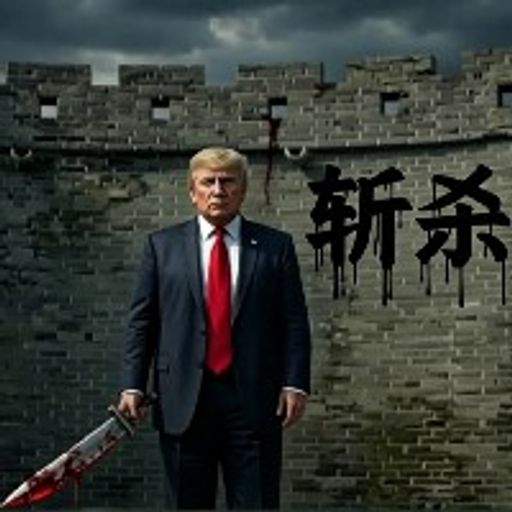
"Done. The central bank has taken action again."
I immediately clicked on the link and felt a chill.
The central bank, in conjunction with eight departments, issued a new notice. This time, it’s not small-scale; they’re serious.
They explicitly defined RWA tokenization for the first time and made a blanket ban: in principle, prohibited.
Do you know what this means?
Over the past year, RWA (Real World Assets) tokenization has been hyped as the next big trend in Web3. Property tokenization, art tokenization, bond tokenization—various projects raised billions of dollars with this concept.
And now they tell you: in China, this path is no longer viable.
Even more harshly, stablecoins pegged to the Renminbi were named specifically. Any entity or individual issuing RMB-pegged stablecoins abroad without approval is directly illegal.
I remembered a conversation I had last year with a friend working on USDC. He said, "The next step is definitely CNHC (RMB stablecoin). It’s a necessity."
Now it seems this "necessity" has been snuffed out at the cradle.
But the most despairing part isn’t these new regulations; it’s that sentence: strict supervision of domestic entities engaging in related overseas activities.
In plain language: if you go overseas to do it, we’ll regulate you too.
It’s like pouring cold water on everyone still dreaming of "saving the country through unconventional means."
A few friends I know registered their companies in Singapore and Hong Kong last year, thinking they could bypass regulations. Now they realize that the so-called "safe distance" they believed in doesn’t exist in the face of regulation.
The day before this notice was issued, someone shared a "Cryptocurrency Investment Guide for 2026" in their social circle, talking extensively about RWA investment opportunities.
24 hours later, that article became a joke.
But what I want to say is, although this crackdown is severe, it exposes a deeper issue:
We’re always waiting for regulatory approval instead of thinking about how to create real value.
RWA tokenization itself isn’t the problem; most projects are just hyping concepts without solving any real issues. Does property tokenization make buying a house easier? Does art tokenization democratize collecting?
The answer is: no.
They’re just giving speculation a new packaging.
This regulation is actually telling us: stop playing with concepts; it’s time to return to fundamentals.
Truly valuable technologies and applications won’t disappear because of a ban. The core values of blockchain—decentralization, transparency, immutability—still exist.
The question is, what problems are we using these features to solve?
Not using them to package the next "wealth secret."
The current crypto scene is like the internet bubble before the crash in 2000. Everyone talks about revolution, but no one cares about what problems this revolution is actually solving.
This regulation might actually be a good thing.
It will kill off projects that only hype concepts and bring genuine innovators to the surface.
After all, true innovation has never needed regulatory permission; it only needs user recognition.
What do you think? #Gate1月透明度报告 $BTC