






#我的Gate交易时刻 The World Cup never causes a crypto bear market, but it always makes the bear market worse
Recently, the most heard phrase is "World Cup curse": during the last three World Cups, BTC and mainstream crypto assets almost all experienced bear market fluctuations or crashes.
1. The essence of the World Cup curse
The World Cup never causes a bear market; it only amplifies the pain of a bear market. Take the last World Cup as an example: in 2022, the total viewership exceeded 5 billion, with over 1.5 billion viewers for the final. What does this mean? It means that the world's most speculative crowd has a month to stop watching K-line charts.
The core logic is simple: global attention is diverted → liquidity decreases, concept coins benefit from the realization → late buyers get hurt, macro/industry negative news stack up → panic sentiment is amplified.
2. Historical review and patterns
2014 Brazil World Cup, MtGox collapse, 850k BTC lost, causing trust in exchanges to collapse. BTC dropped from $620 to below $400, trading volume shrank during the World Cup, sideways movement with no strength, continued decline, bottoming out a year later.
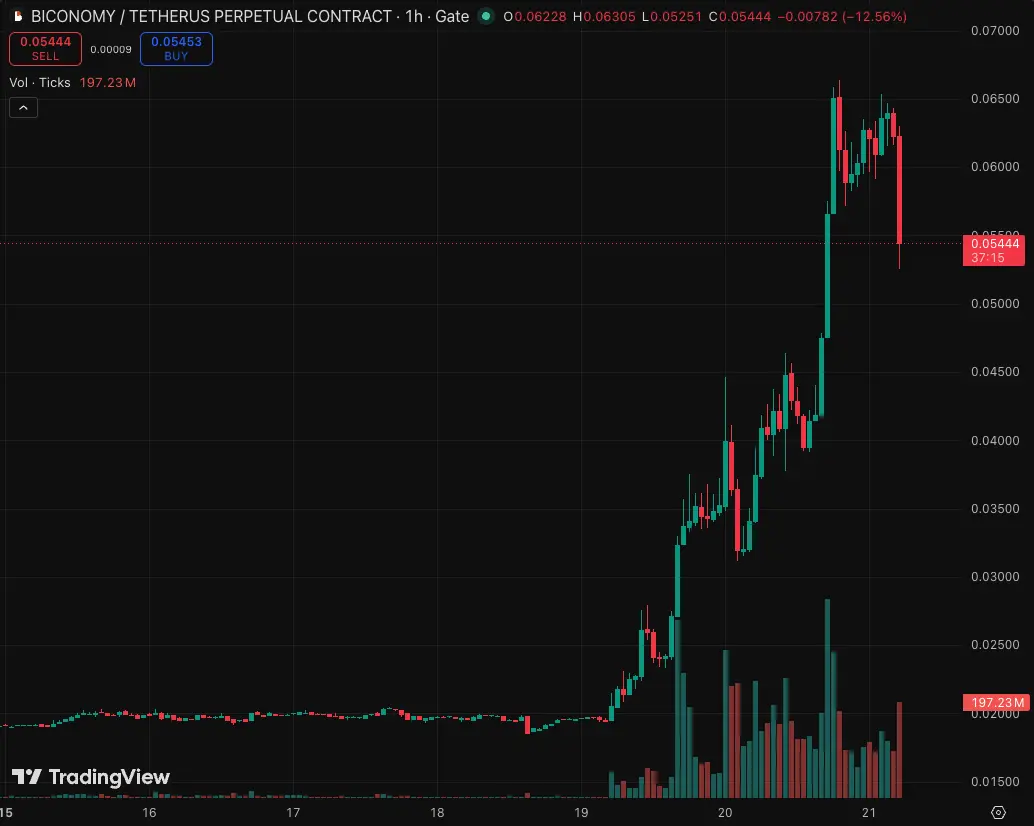
2018 Russia World Cup, ICO bubble burst, interest rate hike cycle; BTC fell below $6,000 before the tournament, prediction coins surged before the start → crash immediately after the start, bottoming out after 5 months.
2022 Qatar World Cup, FTX explosion, interest rate hike cycle, global tightening, BTC dropped to the annual low of $15,590 on the second day of the tournament, fan coins and concept coins were cut in half, and the bottom was reached during the World Cup.
Summary of patterns:
1. Cycle overlap: crypto bear market cycle coincides with the World Cup year
2. Concept coins rally before the tournament → benefits realized at the start
3. Liquidity diversion → trading volume shrinks
4. Macro or industry negative news → amplifies market panic
3. Risks of the 2026 World Cup in a bear market
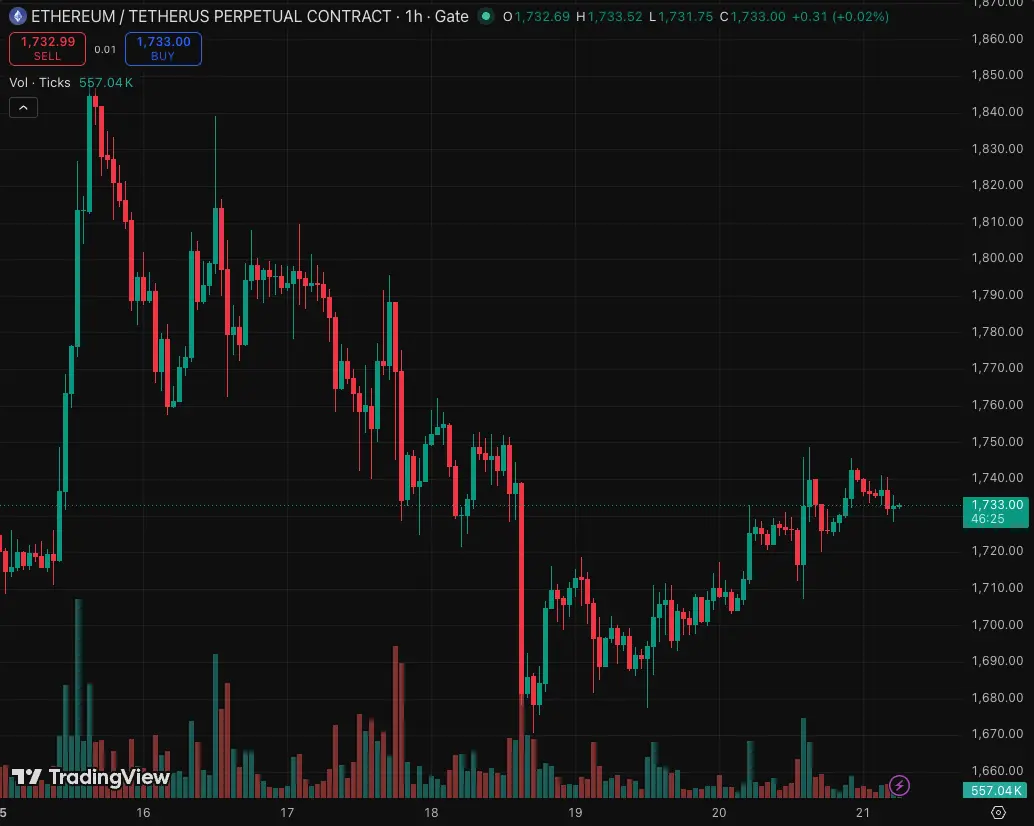
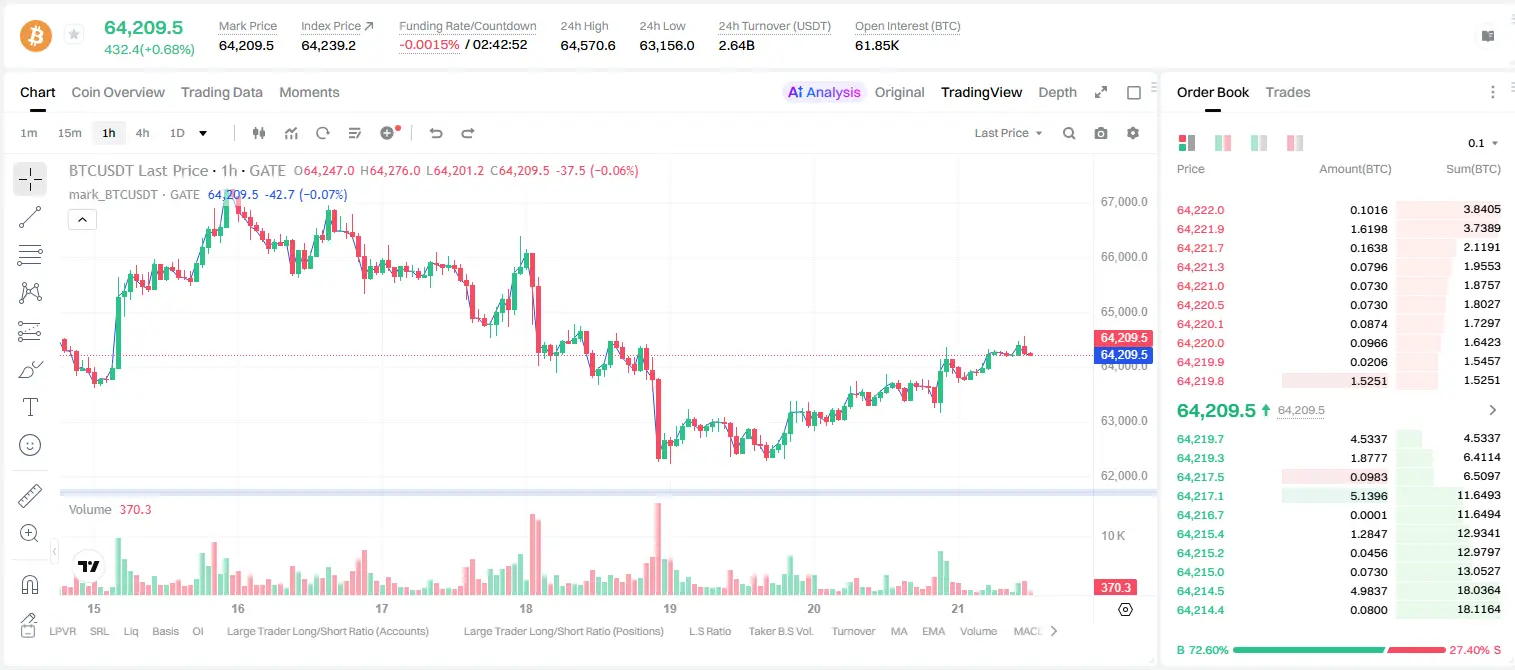
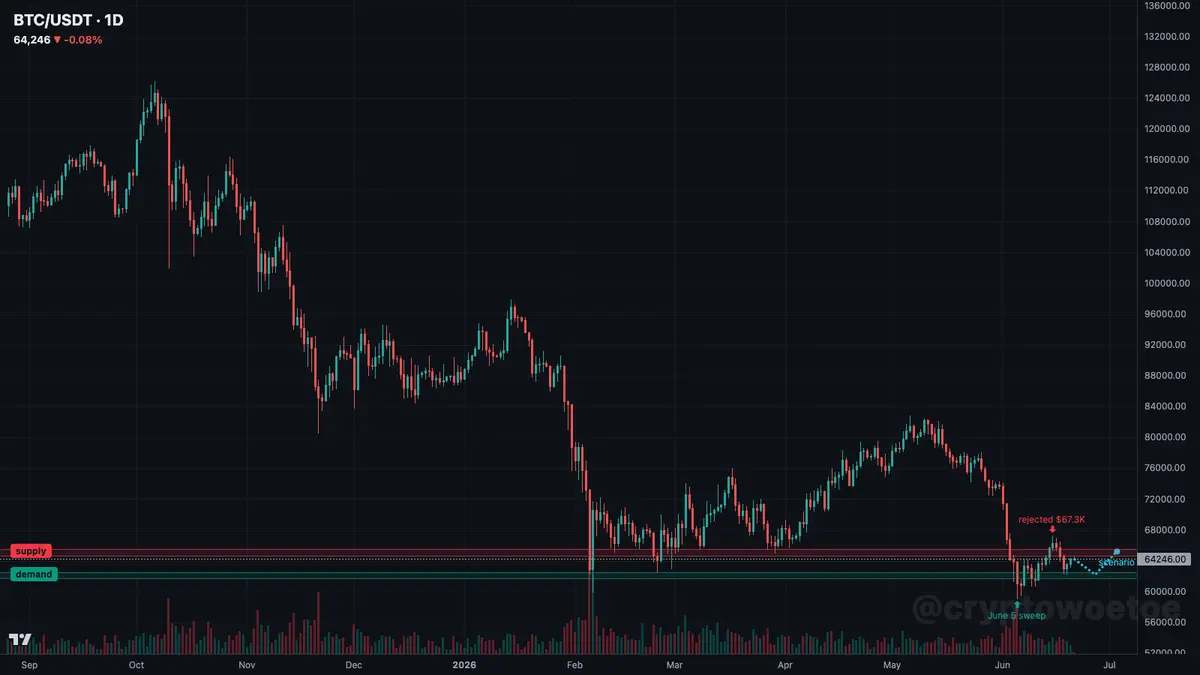
By 2026, the crypto market will already be in a bear market. Since the global liquidation event on October 11, 2025, which wiped out over 850k, the market cap has fallen by more than half, and industry liquidity remains sluggish.
The most dangerous phase of the bear market is approaching. Which phase?
Not panic, but hope. Many think the most dangerous time is during a sharp crash, but that’s not true; everyone knows the risks during a crash. The most dangerous phase should be: after a long decline, but not enough, everyone feels it should be bottoming out. At this point, any positive news will be amplified infinitely, any story will be believed, and any hot topic will attract people to jump in.
According to historical patterns, the rhythm of the 2026 World Cup:
1. Pre-tournament hype (January–June): sports concept coins, fan coins may be temporarily pumped (already happening, just weaker each time)
2. Pullback around the start (mid-June): benefits are realized, BTC and concept coins face pressure; liquidity dries up, risk of liquidation increases (currently happening)
3. During the event, the market oscillates at low levels or declines, altcoins further retreat, high-leverage positions suffer losses
4. 1–2 months after the tournament (late July–September): the bear market may deepen further, and the bottom may gradually appear after the tournament
4. How to properly view this year's World Cup
In the last three World Cups, who suffered the most? For those who think the World Cup must have a market, here’s a reminder: they participate here and there, and in every rights protection group, you see their presence.
So if you ask me: how should I participate in the 2026 World Cup? My answer is simple:
Step 1: Watch the games, watch fewer K-lines. Since the market is already in a bear, don’t see the World Cup as a chance to turn things around. It’s a once-in-four-years celebration meant for enjoyment.
Step 2: Stay away from World Cup concept coins. If you find a project actively promoting World Cup partnerships, be cautious (seriously, avoid coins like Jubi).
Step 3: Reduce leverage. The biggest enemy in a bear market isn’t falling prices but liquidation. Bear markets are more like dull knife cuts—sometimes with long rebounds or sudden spikes causing liquidations. Those who survive will always earn more than those who just predict the right direction.
Step 4: Observe rather than act. If history repeats, the truly worth paying attention to isn’t the opening ceremony but the 30–60 days after the World Cup ends. Because in the last three tournaments, the real big opportunities appeared after the celebration ended.
For most people, the most important thing this year is to ensure that when the World Cup ends, you’re still sitting at the table.
Recently, the most heard phrase is "World Cup curse": during the last three World Cups, BTC and mainstream crypto assets almost all experienced bear market fluctuations or crashes.
1. The essence of the World Cup curse
The World Cup never causes a bear market; it only amplifies the pain of a bear market. Take the last World Cup as an example: in 2022, the total viewership exceeded 5 billion, with over 1.5 billion viewers for the final. What does this mean? It means that the world's most speculative crowd has a month to stop watching K-line charts.
The core logic is simple: global attention is diverted → liquidity decreases, concept coins benefit from the realization → late buyers get hurt, macro/industry negative news stack up → panic sentiment is amplified.
2. Historical review and patterns
2014 Brazil World Cup, MtGox collapse, 850k BTC lost, causing trust in exchanges to collapse. BTC dropped from $620 to below $400, trading volume shrank during the World Cup, sideways movement with no strength, continued decline, bottoming out a year later.
2018 Russia World Cup, ICO bubble burst, interest rate hike cycle; BTC fell below $6,000 before the tournament, prediction coins surged before the start → crash immediately after the start, bottoming out after 5 months.
2022 Qatar World Cup, FTX explosion, interest rate hike cycle, global tightening, BTC dropped to the annual low of $15,590 on the second day of the tournament, fan coins and concept coins were cut in half, and the bottom was reached during the World Cup.
Summary of patterns:
1. Cycle overlap: crypto bear market cycle coincides with the World Cup year
2. Concept coins rally before the tournament → benefits realized at the start
3. Liquidity diversion → trading volume shrinks
4. Macro or industry negative news → amplifies market panic
3. Risks of the 2026 World Cup in a bear market
By 2026, the crypto market will already be in a bear market. Since the global liquidation event on October 11, 2025, which wiped out over 850k, the market cap has fallen by more than half, and industry liquidity remains sluggish.
The most dangerous phase of the bear market is approaching. Which phase?
Not panic, but hope. Many think the most dangerous time is during a sharp crash, but that’s not true; everyone knows the risks during a crash. The most dangerous phase should be: after a long decline, but not enough, everyone feels it should be bottoming out. At this point, any positive news will be amplified infinitely, any story will be believed, and any hot topic will attract people to jump in.
According to historical patterns, the rhythm of the 2026 World Cup:
1. Pre-tournament hype (January–June): sports concept coins, fan coins may be temporarily pumped (already happening, just weaker each time)
2. Pullback around the start (mid-June): benefits are realized, BTC and concept coins face pressure; liquidity dries up, risk of liquidation increases (currently happening)
3. During the event, the market oscillates at low levels or declines, altcoins further retreat, high-leverage positions suffer losses
4. 1–2 months after the tournament (late July–September): the bear market may deepen further, and the bottom may gradually appear after the tournament
4. How to properly view this year's World Cup
In the last three World Cups, who suffered the most? For those who think the World Cup must have a market, here’s a reminder: they participate here and there, and in every rights protection group, you see their presence.
So if you ask me: how should I participate in the 2026 World Cup? My answer is simple:
Step 1: Watch the games, watch fewer K-lines. Since the market is already in a bear, don’t see the World Cup as a chance to turn things around. It’s a once-in-four-years celebration meant for enjoyment.
Step 2: Stay away from World Cup concept coins. If you find a project actively promoting World Cup partnerships, be cautious (seriously, avoid coins like Jubi).
Step 3: Reduce leverage. The biggest enemy in a bear market isn’t falling prices but liquidation. Bear markets are more like dull knife cuts—sometimes with long rebounds or sudden spikes causing liquidations. Those who survive will always earn more than those who just predict the right direction.
Step 4: Observe rather than act. If history repeats, the truly worth paying attention to isn’t the opening ceremony but the 30–60 days after the World Cup ends. Because in the last three tournaments, the real big opportunities appeared after the celebration ended.
For most people, the most important thing this year is to ensure that when the World Cup ends, you’re still sitting at the table.