Strategy authorized the sale of up to $1.25 billion worth of Bitcoin through its new Digital Credit Capital Framework unveiled June 29. The framework allows the company to monetize part of its Bitcoin holdings to strengthen liquidity, support preferred stock obligations, and improve credit quality while maintaining Bitcoin as its primary reserve asset. The decision marks a shift from Executive Chairman Michael Saylor's long-standing buy-and-hold philosophy and raises questions about whether firms built around accumulating Bitcoin can sustain their business models during market downturns. The company has already sold approximately $218 million worth of Bitcoin this year to support dividends and replenish dollar reserves. Bitcoin prices declined sharply in 2026, causing several treasury firms to trade below the net asset value of their Bitcoin holdings.
Strategy Introduces Digital Credit Capital Framework Allowing Bitcoin Sales
Under the new framework, Strategy may sell up to $1.25 billion in Bitcoin to fund preferred stock dividends, share repurchases, and maintain adequate U.S. dollar reserves. CEO Michael Saylor stated, "Strategy remains committed to Bitcoin as its primary treasury reserve asset. At the same time, Digital Credit requires liquidity, discipline, and active capital management." The framework is designed to balance long-term Bitcoin ownership with balance sheet management as the company expands its capital markets activities.
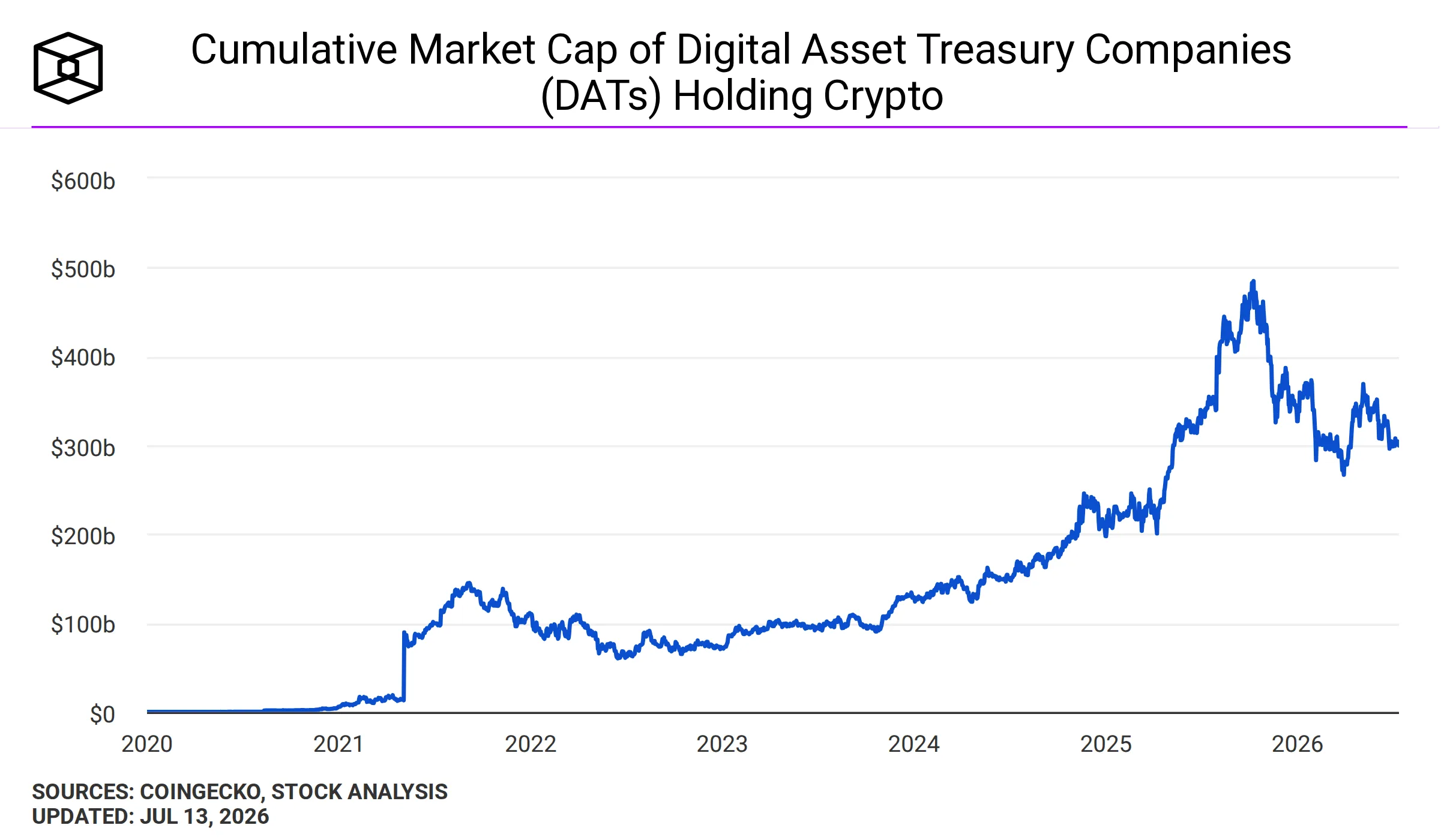
The announcement has intensified scrutiny of the digital asset treasury sector. Many listed Bitcoin treasury companies struggled as Bitcoin prices declined sharply in 2026, causing several firms to trade below the net asset value of their Bitcoin holdings. That dynamic makes it more difficult to raise fresh capital through equity issuance, which is one of the key mechanisms treasury companies have used to finance additional Bitcoin purchases. Strategy has already sold approximately $218 million worth of Bitcoin this year to support dividends and replenish dollar reserves.
Bitcoin Treasury Companies Face Market Pressure as Competitors Reduce Holdings
Over the past two years, many public companies adopted Bitcoin treasury strategies inspired by Strategy's model of using debt and equity financing to accumulate the cryptocurrency in anticipation of long-term appreciation. Declining Bitcoin prices and tighter financial conditions exposed vulnerabilities in businesses whose valuations depend heavily on maintaining a premium above the value of their Bitcoin holdings.
Competitors including Empery Digital and Nakamoto Inc. sold portions of their BTC holdings. Bitcoin mining company SBI Crypto announced it would shut down its mining pool on July 31. The pressure is not limited to corporate Bitcoin holders. The long-term sustenance of Bitcoin-focused companies depends on the asset's price performance and the firms' ability to manage liquidity, financing costs, and shareholder obligations throughout market cycles.
FAQ
What is Strategy's Digital Credit Capital Framework?
Strategy's Digital Credit Capital Framework, unveiled June 29, authorizes the sale of up to $1.25 billion in Bitcoin to fund preferred stock dividends, share repurchases, and maintain U.S. dollar reserves while keeping Bitcoin as its primary reserve asset.
Why did Strategy authorize Bitcoin sales after promoting a buy-and-hold strategy?
Strategy sold approximately $218 million worth of Bitcoin this year to support dividends and replenish dollar reserves. CEO Michael Saylor stated the framework balances long-term Bitcoin ownership with liquidity requirements and active capital management as the company expands capital markets activities.
How are other Bitcoin treasury companies responding to market conditions?
Competitors Empery Digital and Nakamoto Inc. sold portions of their BTC holdings. Bitcoin mining company SBI Crypto announced it would shut down its mining pool on July 31. Many treasury firms trade below the net asset value of their Bitcoin holdings following the sharp Bitcoin price decline in 2026.


