#IranUSConflictEscalates #USIranConflict #MacroMarkets #Oil
Ketegangan Geopolitik yang Meningkat Membawa Pasar Keuangan Global ke Persimpangan Kritis
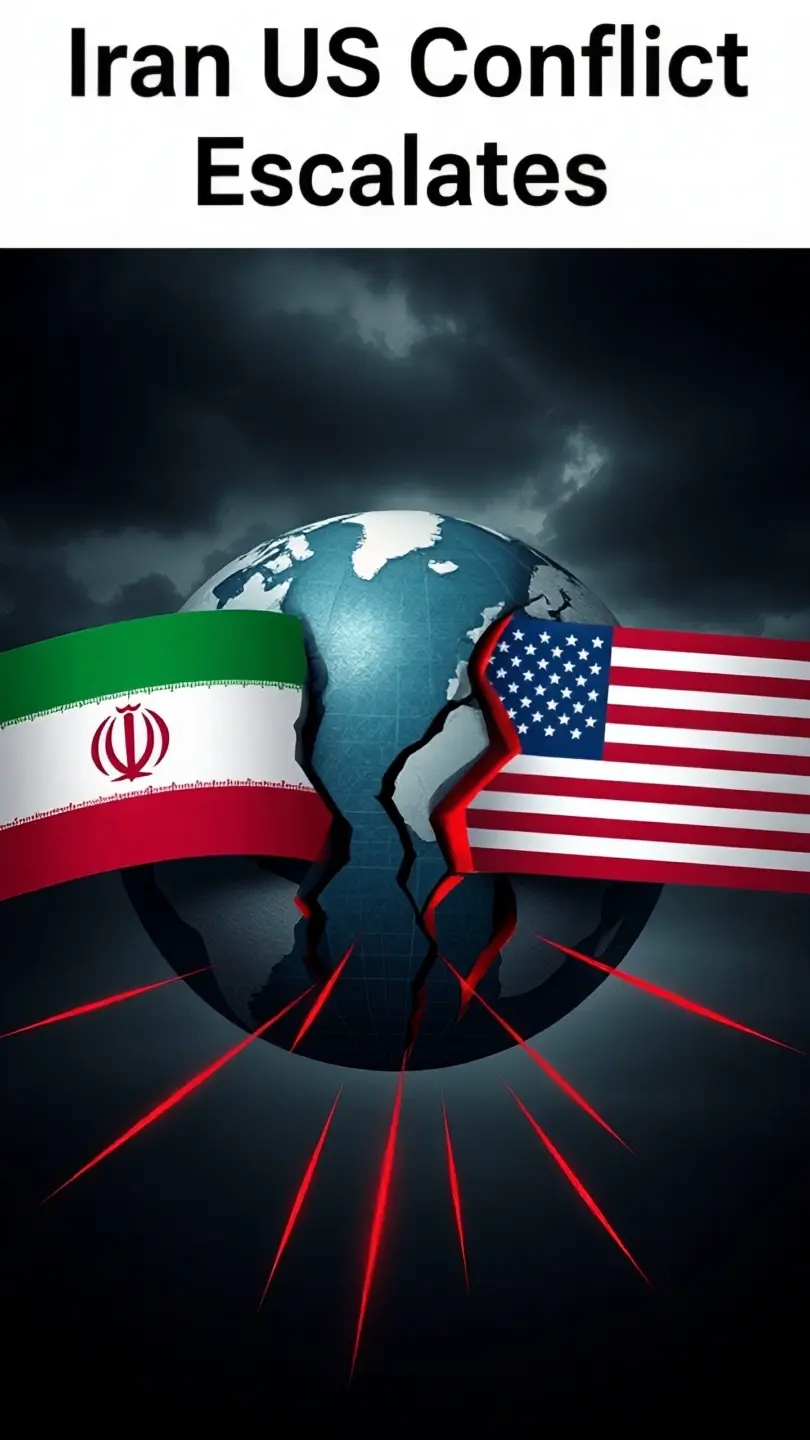
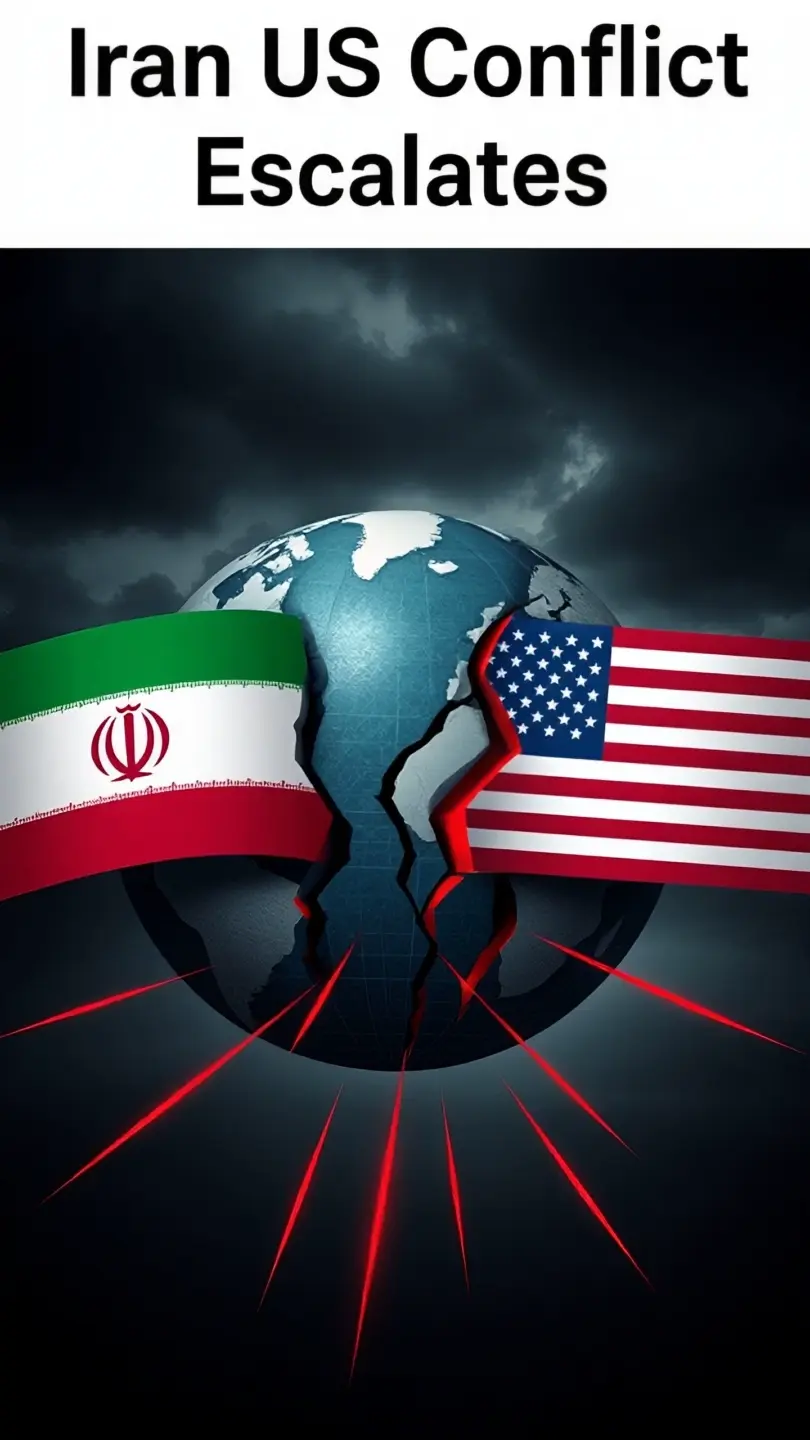
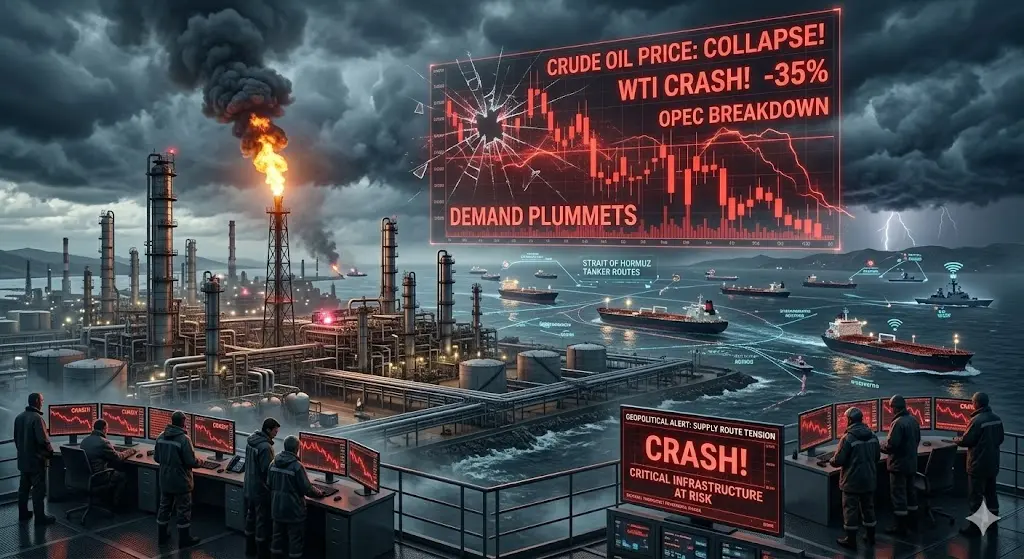
Pasar keuangan global telah memasuki periode ketidakpastian yang lebih tinggi ketika ketegangan geopolitik antara Amerika Serikat dan Iran meningkat. Perkembangan seputar Selat Hormuz sekali lagi mengingatkan investor betapa cepatnya peristiwa geopolitik dapat mengubah sentimen pasar. Jalur pelayaran yang penting secara strategis ini bertanggung jawab atas sebagian besar transportasi energi dunia, yang berarti gangguan apa pun segera memengaruhi harga minyak, ekspektasi inflasi, dan nafsu risiko di seluruh pasar global.
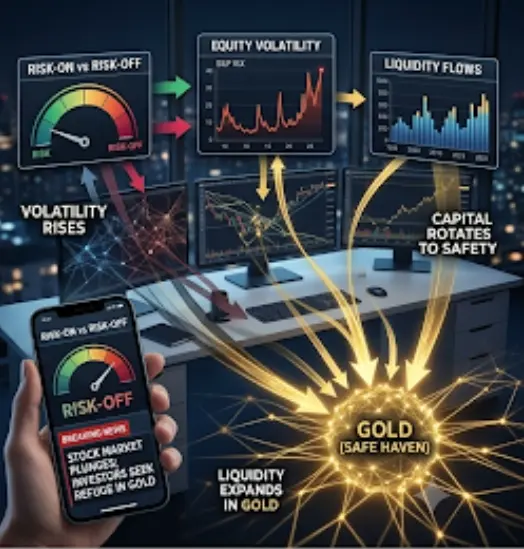
Reaksi pasar hari ini menunjukkan betapa saling terhubungnya pasar keuangan. Menyusul perkembangan terbaru, investor dengan cepat beralih ke posisi defensif. Pasar ekuitas mengalami volatilitas yang meningkat, Bitcoin mengalami tekanan jual, dan harga minyak mentah bereaksi tajam karena para pedagang mulai memperhitungkan kemungkinan gangguan pasokan. Pergerakan cepat ini menyoroti bahwa peristiwa makroekonomi tetap menjadi salah satu pendorong jangka pendek terkuat untuk pasar aset tradisional maupun digital.
Pandangan Saya tentang Apakah Situasi AS-Iran dapat Meningkat Lebih Lanjut
Dari sudut pandang saya, pasar akan tetap sangat sensitif terhadap setiap berita utama dalam beberapa hari mendatang. Pernyataan diplomatik, perkembangan militer, dan tanggapan internasional semuanya akan memainkan peran penting dalam menentukan kepercayaan investor. Meskipun pasar keuangan sering bereaksi segera terhadap berita terbaru, tren jangka panjang biasanya bergantung pada apakah ketegangan terus meningkat atau upaya diplomatik berhasil mengurangi ketidakpastian.
Sejarah menunjukkan bahwa konflik geopolitik sering menciptakan lonjakan volatilitas sementara sebelum pasar secara bertahap stabil setelah kejelasan yang lebih besar muncul. Namun, jika aktivitas militer tambahan mempengaruhi jalur perdagangan kritis atau infrastruktur energi, kekhawatiran inflasi global dapat kembali dengan cepat, meningkatkan ketidakpastian di seluruh saham, komoditas, dan mata uang kripto. Untuk alasan ini, saya percaya investor harus memantau perkembangan yang terverifikasi dengan hati-hati, bukannya bereaksi secara emosional terhadap setiap berita utama.
Pendapat Saya tentang Kemampuan Bitcoin untuk Pulih
Bitcoin sekali lagi menunjukkan bahwa meskipun adopsi institusional meningkat, ia tetap sangat sensitif terhadap risiko makroekonomi. Selama periode ketidakpastian geopolitik, investor sering mengurangi eksposur ke aset berisiko tinggi sebelum kepercayaan kembali. Ini menjelaskan mengapa Bitcoin mengalami tekanan jual baru bersamaan dengan kelemahan di pasar ekuitas.
Meskipun terjadi penurunan baru-baru ini, prospek jangka panjang saya tetap konstruktif. Partisipasi institusional terus berkembang, infrastruktur blockchain terus membaik, dan peran Bitcoin sebagai aset digital yang diakui secara global terus menguat. Volatilitas jangka pendek seharusnya tidak mengalihkan perhatian investor dari tren struktural yang lebih besar ini.
Jika ketegangan geopolitik mulai mereda dan kepercayaan pasar yang lebih luas membaik, Bitcoin secara bertahap dapat memulihkan momentum yang hilang. Pergerakan berkelanjutan di atas level resistensi kunci kemungkinan akan membutuhkan pembelian institusional yang lebih kuat, kondisi likuiditas yang membaik, dan perkembangan makroekonomi yang mendukung. Sampai saat itu, volatilitas harus diharapkan karena pasar terus merespons arus berita global.
Pandangan Saya tentang Data Ekonomi Mendatang dan Ekspektasi Suku Bunga
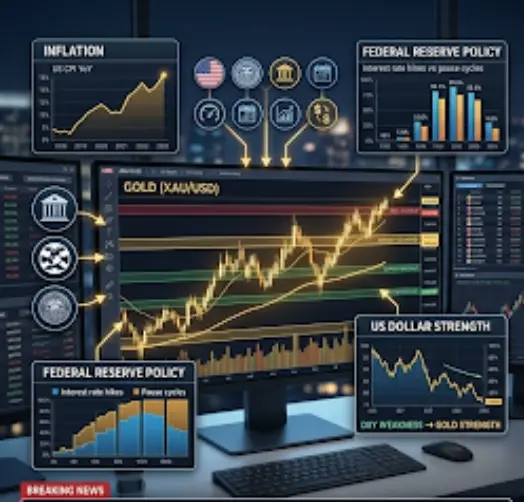
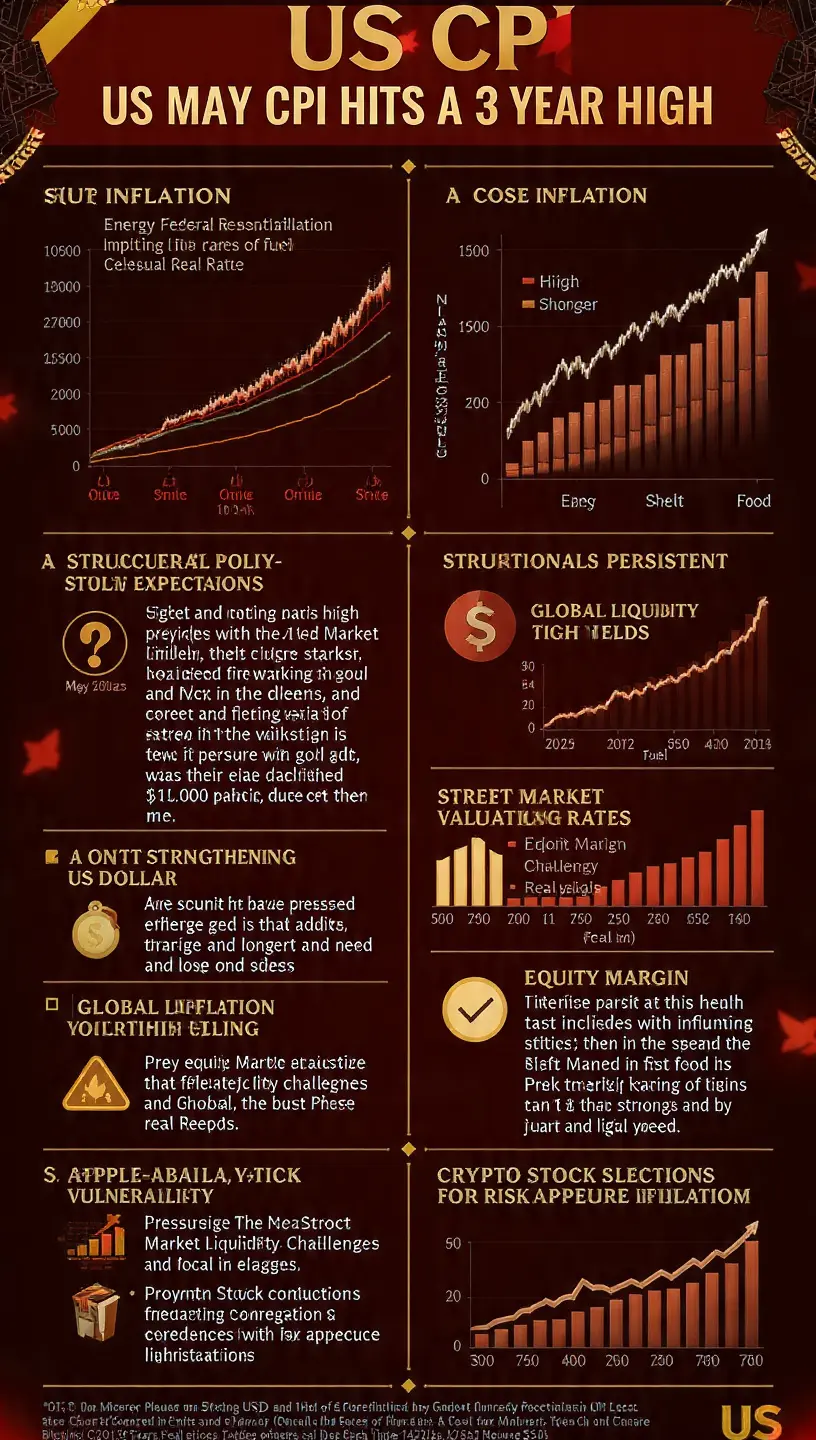
Rilis data ekonomi mendatang bisa menjadi katalis utama lainnya bagi pasar keuangan. Angka ekonomi yang lebih kuat dari perkiraan dapat memperkuat ekspektasi bahwa bank sentral akan tetap berhati-hati dalam menurunkan suku bunga, berpotensi memperkuat Dolar AS sambil menciptakan tekanan tambahan pada aset berisiko, termasuk mata uang kripto.
Sebaliknya, data ekonomi yang lebih lemah dapat meningkatkan ekspektasi bahwa kebijakan moneter mungkin menjadi lebih akomodatif di masa depan. Skenario seperti itu kemungkinan akan meningkatkan sentimen pasar secara keseluruhan, mendukung ekuitas, aset digital, dan investasi berorientasi pertumbuhan lainnya. Namun, reaksi pasar akhir tidak hanya akan bergantung pada angka utama tetapi juga pada tren inflasi, kondisi ketenagakerjaan, dan panduan mengenai keputusan kebijakan di masa depan.
Saran Saya untuk Investor Selama Periode Ini
Menurut pengalaman saya, periode seperti ini lebih menghargai kesabaran daripada spekulasi agresif. Berita utama geopolitik dan rilis data ekonomi besar dapat menghasilkan pergerakan pasar yang cepat yang sering berbalik dengan cepat. Daripada mengejar volatilitas, investor harus fokus pada manajemen risiko yang disiplin, mempertahankan portofolio yang terdiversifikasi, dan membuat keputusan berdasarkan fundamental jangka panjang, bukan emosi jangka pendek.
Investor yang sukses memahami bahwa ketidakpastian adalah bagian alami dari pasar keuangan. Setiap siklus menghadirkan peluang, tetapi menjaga modal selama kondisi volatil sama pentingnya dengan mengidentifikasi potensi pertumbuhan di masa depan. Penentuan ukuran posisi yang hati-hati, penelitian berkelanjutan, dan perspektif investasi jangka panjang tetap menjadi alat terkuat untuk menavigasi periode ketidakpastian yang meningkat.
Prospek Akhir
Kombinasi perkembangan geopolitik dan data ekonomi utama menjadikan ini salah satu periode terpenting bagi pasar global dalam beberapa minggu terakhir. Arah harga minyak, pasar ekuitas, Bitcoin, dan sentimen investor yang lebih luas kemungkinan akan bergantung pada bagaimana peristiwa ini berkembang dalam beberapa hari mendatang.
Sementara volatilitas jangka pendek mungkin tetap tinggi, saya percaya lanskap investasi yang lebih luas pada akhirnya akan ditentukan oleh kemajuan diplomatik, stabilitas makroekonomi, partisipasi institusional, dan kondisi likuiditas global. Investor yang tetap terinformasi, disiplin, dan fokus pada fundamental jangka panjang akan berada dalam posisi yang lebih baik untuk menavigasi apa pun yang akan disajikan pasar selanjutnya.
Ketegangan Geopolitik yang Meningkat Membawa Pasar Keuangan Global ke Persimpangan Kritis
Pasar keuangan global telah memasuki periode ketidakpastian yang lebih tinggi ketika ketegangan geopolitik antara Amerika Serikat dan Iran meningkat. Perkembangan seputar Selat Hormuz sekali lagi mengingatkan investor betapa cepatnya peristiwa geopolitik dapat mengubah sentimen pasar. Jalur pelayaran yang penting secara strategis ini bertanggung jawab atas sebagian besar transportasi energi dunia, yang berarti gangguan apa pun segera memengaruhi harga minyak, ekspektasi inflasi, dan nafsu risiko di seluruh pasar global.
Reaksi pasar hari ini menunjukkan betapa saling terhubungnya pasar keuangan. Menyusul perkembangan terbaru, investor dengan cepat beralih ke posisi defensif. Pasar ekuitas mengalami volatilitas yang meningkat, Bitcoin mengalami tekanan jual, dan harga minyak mentah bereaksi tajam karena para pedagang mulai memperhitungkan kemungkinan gangguan pasokan. Pergerakan cepat ini menyoroti bahwa peristiwa makroekonomi tetap menjadi salah satu pendorong jangka pendek terkuat untuk pasar aset tradisional maupun digital.
Pandangan Saya tentang Apakah Situasi AS-Iran dapat Meningkat Lebih Lanjut
Dari sudut pandang saya, pasar akan tetap sangat sensitif terhadap setiap berita utama dalam beberapa hari mendatang. Pernyataan diplomatik, perkembangan militer, dan tanggapan internasional semuanya akan memainkan peran penting dalam menentukan kepercayaan investor. Meskipun pasar keuangan sering bereaksi segera terhadap berita terbaru, tren jangka panjang biasanya bergantung pada apakah ketegangan terus meningkat atau upaya diplomatik berhasil mengurangi ketidakpastian.
Sejarah menunjukkan bahwa konflik geopolitik sering menciptakan lonjakan volatilitas sementara sebelum pasar secara bertahap stabil setelah kejelasan yang lebih besar muncul. Namun, jika aktivitas militer tambahan mempengaruhi jalur perdagangan kritis atau infrastruktur energi, kekhawatiran inflasi global dapat kembali dengan cepat, meningkatkan ketidakpastian di seluruh saham, komoditas, dan mata uang kripto. Untuk alasan ini, saya percaya investor harus memantau perkembangan yang terverifikasi dengan hati-hati, bukannya bereaksi secara emosional terhadap setiap berita utama.
Pendapat Saya tentang Kemampuan Bitcoin untuk Pulih
Bitcoin sekali lagi menunjukkan bahwa meskipun adopsi institusional meningkat, ia tetap sangat sensitif terhadap risiko makroekonomi. Selama periode ketidakpastian geopolitik, investor sering mengurangi eksposur ke aset berisiko tinggi sebelum kepercayaan kembali. Ini menjelaskan mengapa Bitcoin mengalami tekanan jual baru bersamaan dengan kelemahan di pasar ekuitas.
Meskipun terjadi penurunan baru-baru ini, prospek jangka panjang saya tetap konstruktif. Partisipasi institusional terus berkembang, infrastruktur blockchain terus membaik, dan peran Bitcoin sebagai aset digital yang diakui secara global terus menguat. Volatilitas jangka pendek seharusnya tidak mengalihkan perhatian investor dari tren struktural yang lebih besar ini.
Jika ketegangan geopolitik mulai mereda dan kepercayaan pasar yang lebih luas membaik, Bitcoin secara bertahap dapat memulihkan momentum yang hilang. Pergerakan berkelanjutan di atas level resistensi kunci kemungkinan akan membutuhkan pembelian institusional yang lebih kuat, kondisi likuiditas yang membaik, dan perkembangan makroekonomi yang mendukung. Sampai saat itu, volatilitas harus diharapkan karena pasar terus merespons arus berita global.
Pandangan Saya tentang Data Ekonomi Mendatang dan Ekspektasi Suku Bunga
Rilis data ekonomi mendatang bisa menjadi katalis utama lainnya bagi pasar keuangan. Angka ekonomi yang lebih kuat dari perkiraan dapat memperkuat ekspektasi bahwa bank sentral akan tetap berhati-hati dalam menurunkan suku bunga, berpotensi memperkuat Dolar AS sambil menciptakan tekanan tambahan pada aset berisiko, termasuk mata uang kripto.
Sebaliknya, data ekonomi yang lebih lemah dapat meningkatkan ekspektasi bahwa kebijakan moneter mungkin menjadi lebih akomodatif di masa depan. Skenario seperti itu kemungkinan akan meningkatkan sentimen pasar secara keseluruhan, mendukung ekuitas, aset digital, dan investasi berorientasi pertumbuhan lainnya. Namun, reaksi pasar akhir tidak hanya akan bergantung pada angka utama tetapi juga pada tren inflasi, kondisi ketenagakerjaan, dan panduan mengenai keputusan kebijakan di masa depan.
Saran Saya untuk Investor Selama Periode Ini
Menurut pengalaman saya, periode seperti ini lebih menghargai kesabaran daripada spekulasi agresif. Berita utama geopolitik dan rilis data ekonomi besar dapat menghasilkan pergerakan pasar yang cepat yang sering berbalik dengan cepat. Daripada mengejar volatilitas, investor harus fokus pada manajemen risiko yang disiplin, mempertahankan portofolio yang terdiversifikasi, dan membuat keputusan berdasarkan fundamental jangka panjang, bukan emosi jangka pendek.
Investor yang sukses memahami bahwa ketidakpastian adalah bagian alami dari pasar keuangan. Setiap siklus menghadirkan peluang, tetapi menjaga modal selama kondisi volatil sama pentingnya dengan mengidentifikasi potensi pertumbuhan di masa depan. Penentuan ukuran posisi yang hati-hati, penelitian berkelanjutan, dan perspektif investasi jangka panjang tetap menjadi alat terkuat untuk menavigasi periode ketidakpastian yang meningkat.
Prospek Akhir
Kombinasi perkembangan geopolitik dan data ekonomi utama menjadikan ini salah satu periode terpenting bagi pasar global dalam beberapa minggu terakhir. Arah harga minyak, pasar ekuitas, Bitcoin, dan sentimen investor yang lebih luas kemungkinan akan bergantung pada bagaimana peristiwa ini berkembang dalam beberapa hari mendatang.
Sementara volatilitas jangka pendek mungkin tetap tinggi, saya percaya lanskap investasi yang lebih luas pada akhirnya akan ditentukan oleh kemajuan diplomatik, stabilitas makroekonomi, partisipasi institusional, dan kondisi likuiditas global. Investor yang tetap terinformasi, disiplin, dan fokus pada fundamental jangka panjang akan berada dalam posisi yang lebih baik untuk menavigasi apa pun yang akan disajikan pasar selanjutnya.