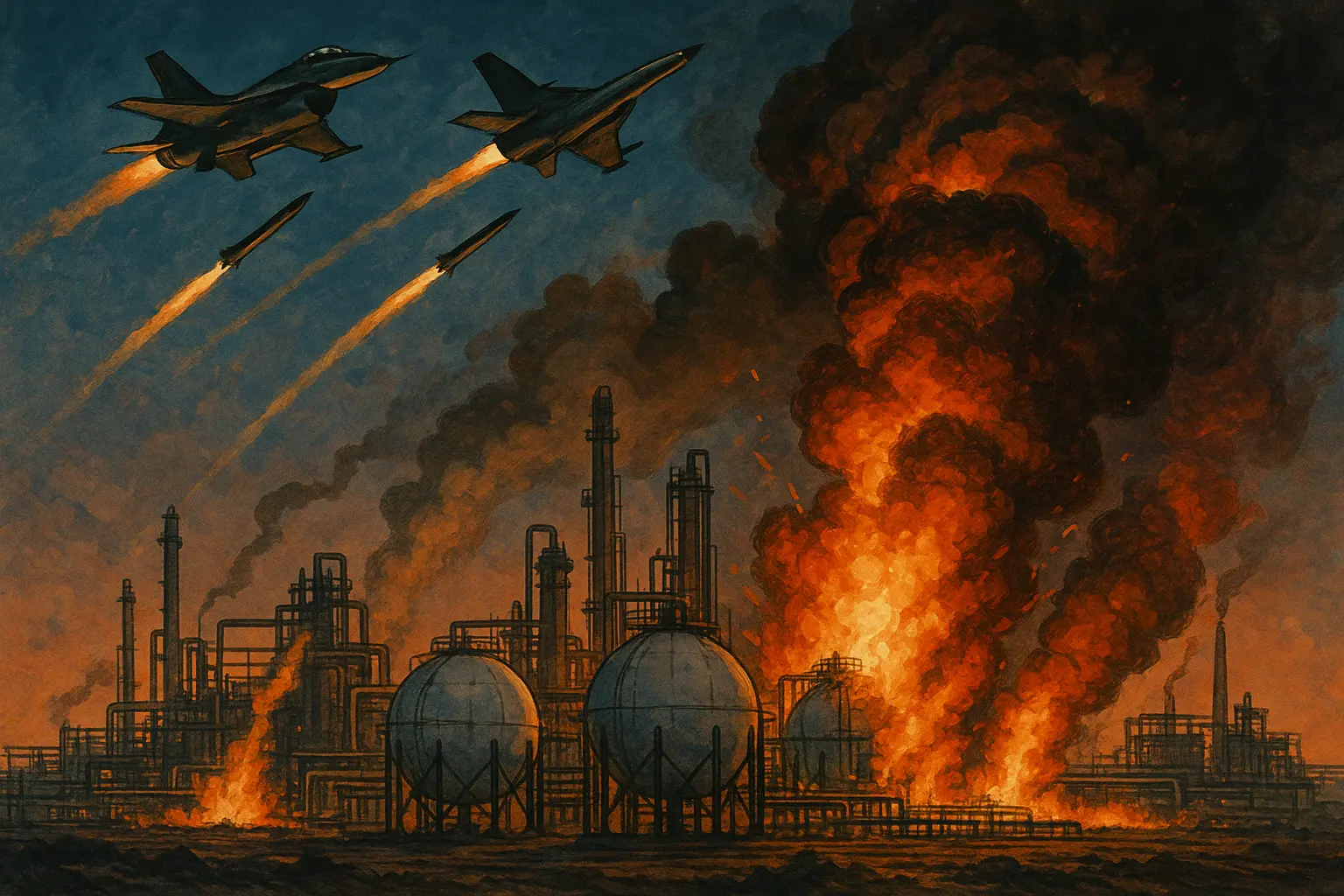
On March 18, Iran launched missiles at Ras Laffan Industrial City, attacking this critical global energy facility responsible for liquefied natural gas (LNG) processing, storage, and transportation. Since Qatar accounts for approximately 20% of the world’s total LNG cargo, the attack immediately triggered widespread concerns over significant energy disruptions. Following the incident, oil prices remained above $107 per barrel, and natural gas futures prices surged sharply.
Strategic Significance of Ras Laffan: An Unreplaceable Global Energy Hub
Ras Laffan Industrial City is one of the world’s most vital energy infrastructures and a key node in Qatar’s LNG export network. Qatar is among the top LNG exporters globally, with supplies reaching multiple continents:
Europe: After the Russia-Ukraine conflict, Europe significantly increased LNG imports from Qatar to replace Russian gas.
Northeast Asia: Japan and South Korea’s power systems are highly dependent on Qatar LNG.
China and other Asian economies: Growing industrial and residential gas demands continue to rise.
This means that any supply interruption from Ras Laffan could simultaneously impact European electricity generation, Northeast Asian heating and industrial sectors, and Asian manufacturing—hence why analysts describe this attack as a “global impact” rather than a regional event.
Simultaneous Damage to Oil and Gas: An Unprecedented “Perfect Storm” of Supply Disruption
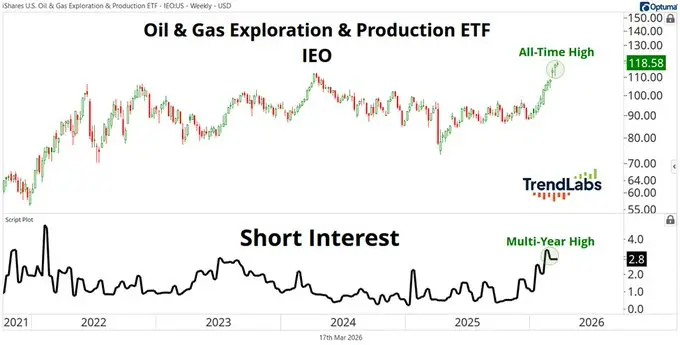
(Source: TrendLabs)
The attack occurred amid a highly fragile energy landscape. Analysts highlight that the current global energy supply faces a rare scenario of multi-point simultaneous disruption:
Hormuz Strait: Escalated conflicts have affected oil flows through this critical chokepoint.
Middle Eastern oil-producing countries: Signs of supply disruptions are emerging among Saudi Arabia, the UAE, and Iraq.
Iran itself: Its natural gas infrastructure has been damaged by Israeli airstrikes.
Qatar LNG: The world’s most important LNG hub is now also facing severe damage.
Such concurrent shocks to both oil and natural gas supplies are extremely rare. Analysts compare this situation to the systemic impact of the 2008 financial crisis—not because of a collapse in financial institutions, but because the very stability of energy supply could be fundamentally shaken.
The most directly affected industries include: airlines (with soaring fuel costs), logistics and freight companies (with squeezed profits due to diesel prices), consumer retail (costs passed down the supply chain), and chemical manufacturing industries that rely heavily on natural gas as a raw material.
Chain Reaction Impact on Cryptocurrency Markets
Analysts suggest that the cryptocurrency market may react very differently at various stages:
Short-term (initial phase): War and uncertainty typically trigger risk-off sentiment, prompting investors to withdraw from stocks and digital assets, exerting downward pressure on crypto prices. This aligns with the typical initial response of crypto markets to Middle Eastern conflicts.
Mid-term evolution: If inflation continues to rise and economic uncertainty worsens, Bitcoin’s role may gradually shift toward an “inflation hedge,” moving from a risk asset to a safe haven. This could lead to market divergence—Bitcoin remaining relatively strong, while less liquid altcoins continue to face pressure.
Long-term policy response: If the conflict ultimately forces major central banks to adopt monetary easing measures such as quantitative easing to counteract economic slowdown, historical experience suggests that crypto markets could benefit from such easing expectations once initial volatility subsides. However, this scenario depends on the full release of early market turbulence.
Frequently Asked Questions
Q: After the damage to Ras Laffan facilities, what alternative supply options are available?
In the short term, existing LNG supply alternatives include Australia, the United States, Norway, and other unaffected Qatar facilities. However, LNG logistics are highly complex; vessel scheduling, terminal capacities, and long-term contract adjustments all require time. If the damage is severe and causes a supply gap lasting several weeks, the global market’s short-term replacement capacity will face significant challenges, especially for Europe and Northeast Asia, which have relatively limited reserves.
Q: Why is Japan particularly vulnerable in this impact?
Japan relies on over 90% of its energy imports, and after the Fukushima disaster in 2011, many nuclear plants were shut down. Its LNG dependence is very high. Qatar is one of Japan’s most important LNG suppliers. Any disruption from Ras Laffan directly affects power stability and costs. Japan has activated power reserves early in the escalation, but if supply disruptions persist, rising electricity and industrial costs will pose systemic economic pressures.
Q: Is comparing this impact to the 2008 financial crisis exaggerated?
Analysts clarify that the two are fundamentally different: 2008 was a credit crisis within the financial system, whereas this is a physical energy supply shock. The analogy is based on the potential for systemic chain reactions across industries and markets—rising energy costs leading to inflation, declining consumer demand, squeezed corporate profits, and reduced investment. Ultimately, the scale of impact depends on the duration of the energy disruption and government responses. Currently, a “2008-style crisis” remains a tail risk scenario rather than a baseline expectation.
Disclaimer: The information on this page may come from third parties and does not represent the views or opinions of Gate. The content displayed on this page is for reference only and does not constitute any financial, investment, or legal advice. Gate does not guarantee the accuracy or completeness of the information and shall not be liable for any losses arising from the use of this information. Virtual asset investments carry high risks and are subject to significant price volatility. You may lose all of your invested principal. Please fully understand the relevant risks and make prudent decisions based on your own financial situation and risk tolerance. For details, please refer to
Disclaimer.


