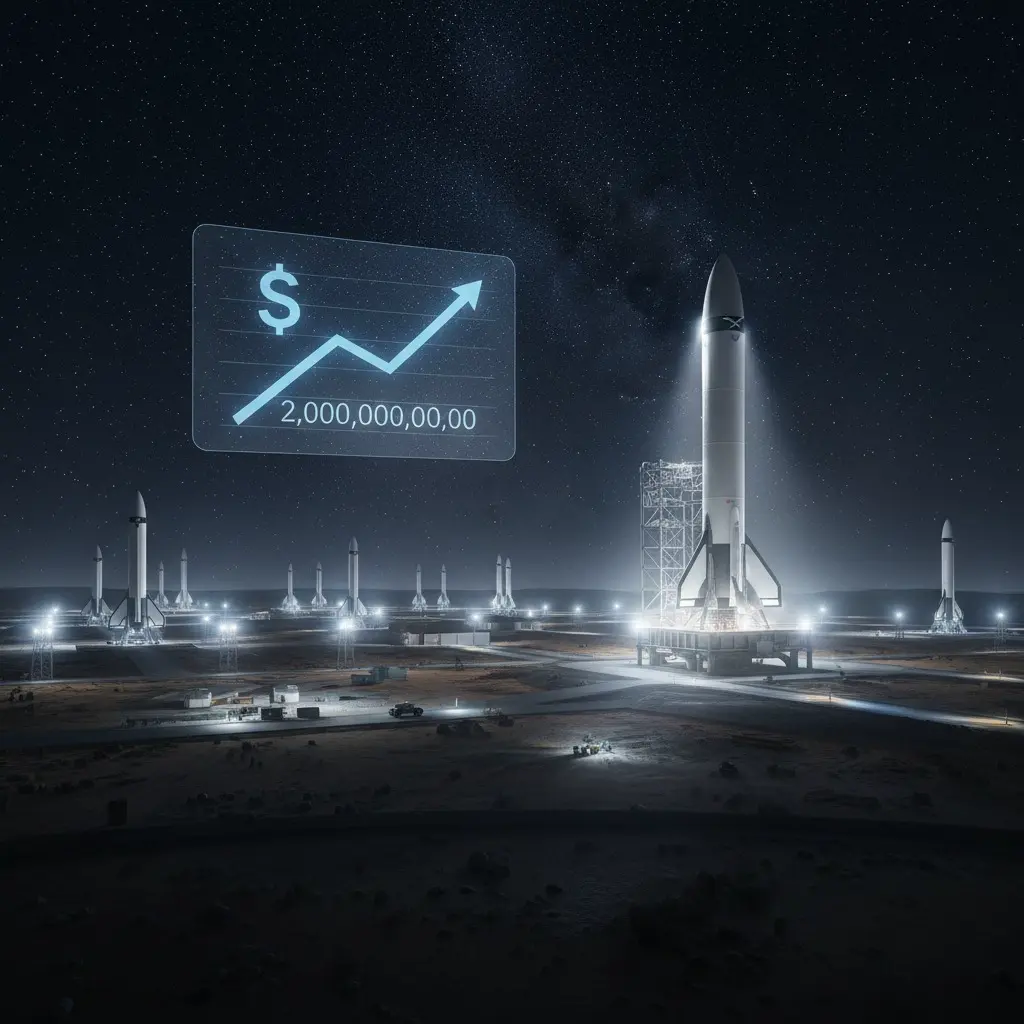
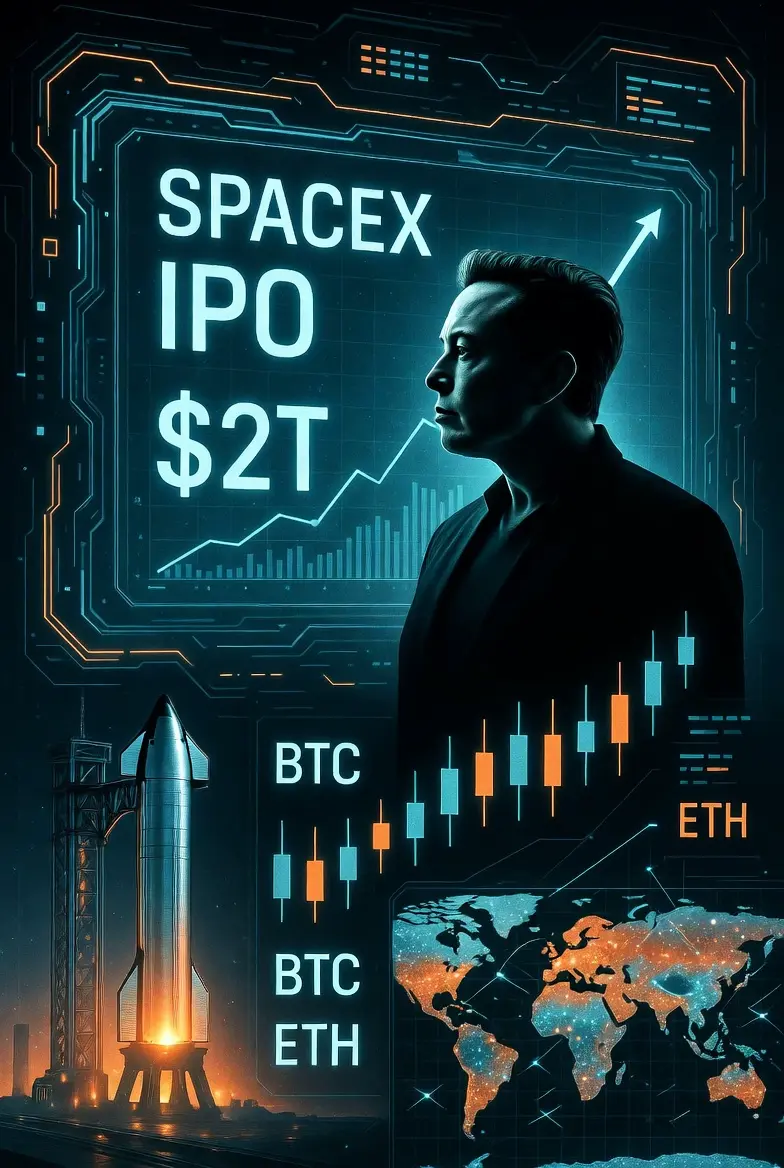
#SpaceXIPOTargets$2TValuation
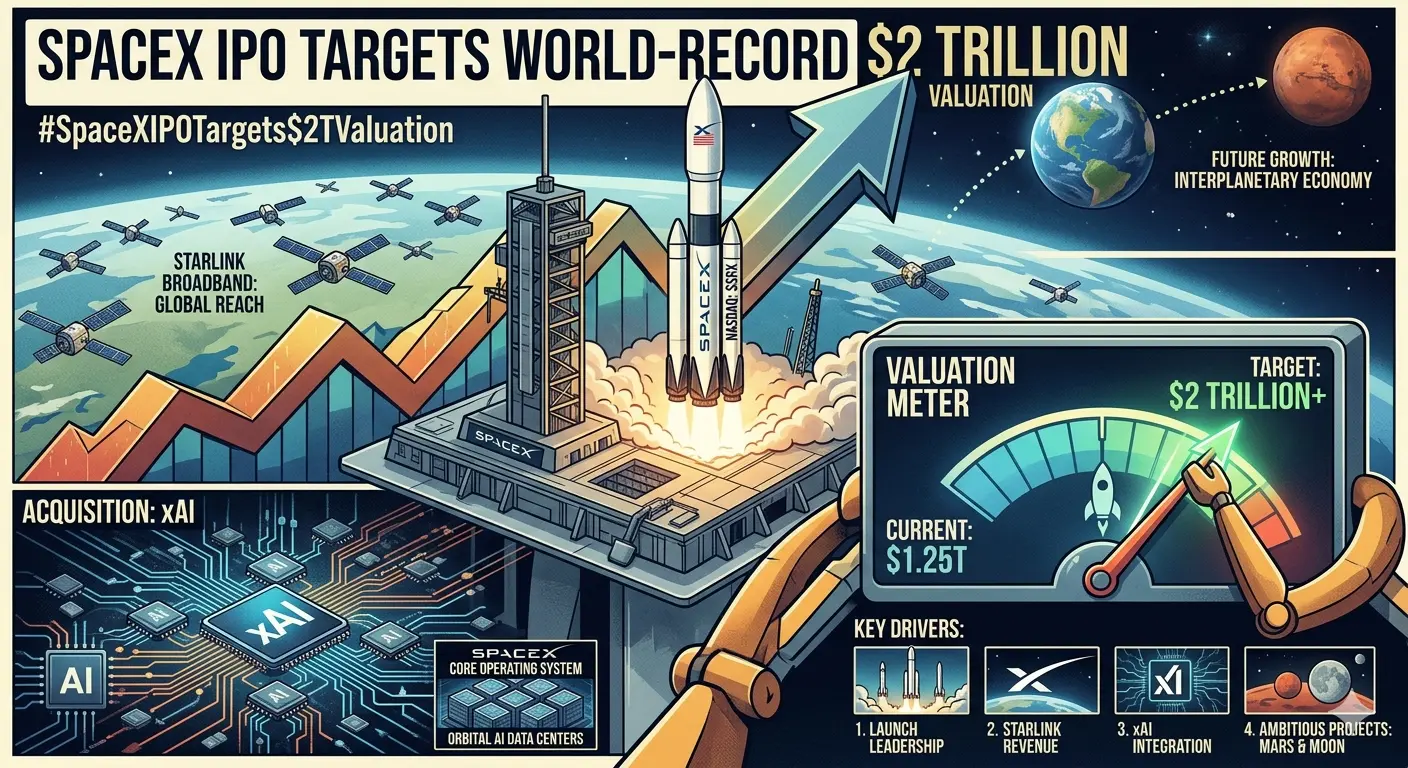
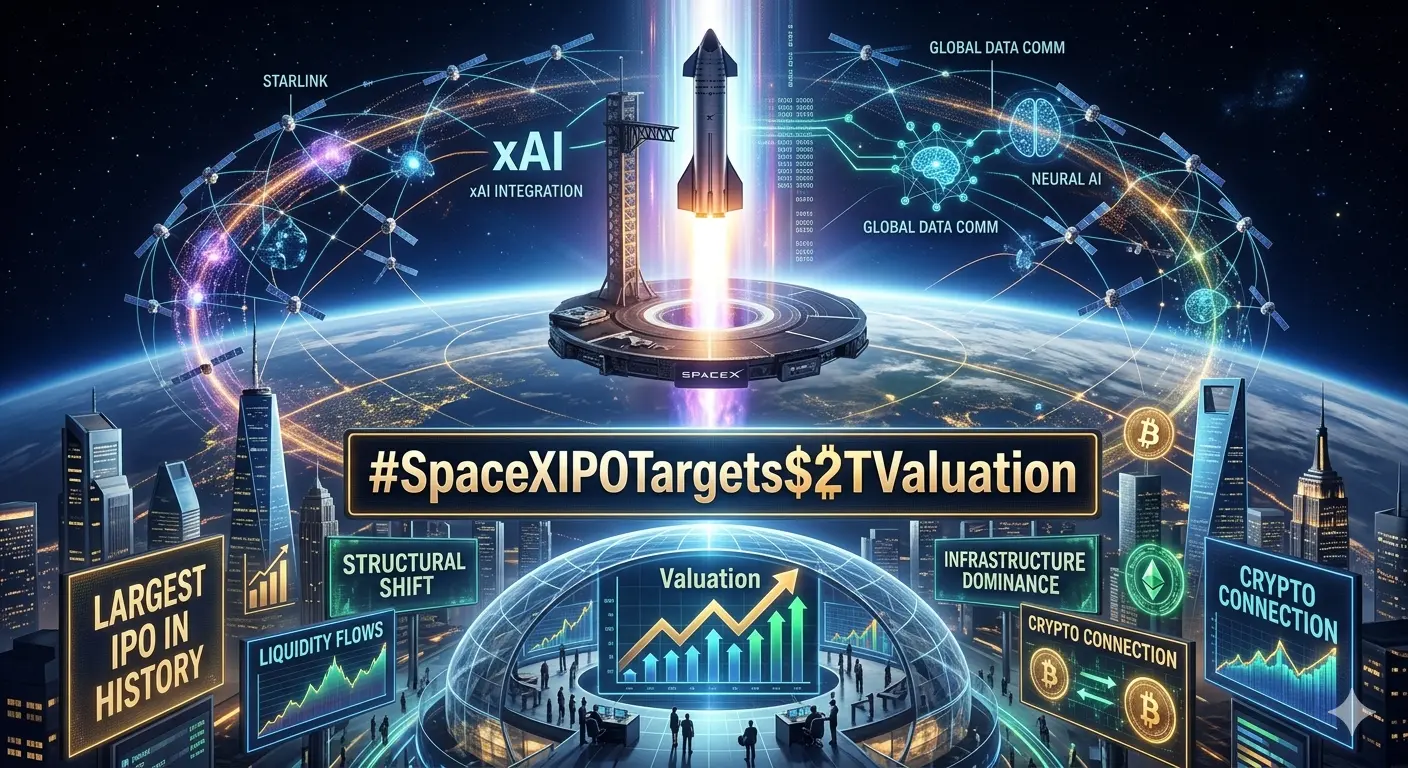
bIn recent days, the space and technology sectors have been shaken by news of Elon Musk-led SpaceX's ambitious plans for an initial public offering. According to Bloomberg's report from April 2, 2026, the company has raised its target valuation for the IPO to more than $2 trillion, positioning it for what could become the largest stock market debut in history. This development points to a possible listing as early as June and could involve raising up to $75 billion in fresh capital. Following its merger with xAI, which brought the combined valuation to around $1.25 trillion, SpaceX is now gearing up for a record-breaking leap. This scenario is opening the door to a new era that will profoundly influence not only the rocket and satellite industries but also global capital flows, risk appetite, and even digital assets.
First, it is important to understand the dynamics behind this surge. SpaceX has built an extraordinary growth story through the rapid global expansion of Starlink, which provides internet access to underserved regions; cost-reducing launch operations with its Falcon rockets; and now, through xAI integration, a push toward space-based artificial intelligence infrastructure. Projections for 2026 suggest revenue approaching or exceeding $20 billion, driven largely by Starlink's commercial success. In presentations to investors, the company emphasizes its long-term vision, including lunar production facilities, orbital data centers, and Mars missions. While a $2 trillion valuation appears ambitious relative to current revenue levels, analysts ground it in 10- to 15-year growth projections. Musk views this move as a strategic step to meet the company's capital needs while opening its ambitious roadmap to public markets. Despite occasional skepticism from Musk himself about media reports, confidential SEC filings and ongoing discussions with major banks underscore the seriousness of the process.
Market reactions are already evident. An IPO of this magnitude could spark a wave of mega listings, setting a precedent for competitors like OpenAI and Anthropic. Investors display a mix of excitement and caution. On one side, innovative elements such as allocating up to 30% of shares to retail investors are being discussed. On the other, the lofty valuation raises expectations of short-term volatility and potential short-selling pressure. For traditional stock markets, this could reshape index weightings; inclusion in benchmarks like the Nasdaq 100 might trigger trillions in passive fund inflows.
Now to the key question: How will this development impact the cryptocurrency market? The influence is both indirect and potentially very significant. SpaceX is known to hold approximately 8,285 Bitcoin on its balance sheet, a position viewed as a strategic reserve under current market conditions. Upon going public, the Bitcoin holdings of a $2 trillion company would become fully transparent in regulatory filings. This would represent one of the largest-scale legitimizations of Bitcoin as a corporate treasury asset. When ETFs, pension funds, and index trackers purchase SpaceX shares, they would gain indirect exposure to this Bitcoin position. Analysts describe it as a "Trojan Horse" effect: investors seeking space and AI exposure would unknowingly gain Bitcoin exposure as well. This could help establish a firmer long-term price floor for BTC and boost institutional demand over time.
Looking deeper, Musk's broader influence in the crypto space comes into play. Historically, moves by Tesla or public statements about Dogecoin have swayed markets. A SpaceX IPO could amplify this effect. In an environment of rising risk appetite, the hype surrounding SpaceX shares would likely heighten interest in risky assets overall, with cryptocurrencies benefiting as well. Institutional adoption of Bitcoin could accelerate, while speculative activity in altcoins might also gain momentum. However, there are countervailing risks. Mega IPOs can temporarily absorb liquidity, potentially creating short-term selling pressure in volatile assets like crypto. Moreover, the success or initial trading performance of SpaceX will directly shape perceptions of the Musk ecosystem in crypto circles. A strong debut would reinforce the message that innovative companies can comfortably hold Bitcoin, whereas any disappointment could spark brief uncertainty.
In the long term, this event would strengthen the bridge between cryptocurrency and traditional finance. Having a giant like SpaceX maintain Bitcoin on its balance sheet could encourage other major technology firms to follow suit. At a time when regulations are becoming clearer and adoption is rising, such developments could elevate digital assets from a speculative niche to a core component of mainstream portfolios. For investors, the opportunities are clear: those positioning around the SpaceX IPO could gain simultaneous access to space technology and indirect crypto exposure. Of course, disciplined risk management remains essential; sudden price swings, valuation risks, and sector-specific uncertainties should not be ignored.
In conclusion, the picture emerging under the #SpaceXIPOTargets$2TValuation tag represents far more than one company's public debut. It marks a turning point that could reshape future capital markets and asset classes. While the short term may bring excitement and volatility, a longer-term perspective reveals a catalyst that will strengthen both the space economy and the crypto ecosystem. As investors, the wisest approach is to focus on underlying fundamentals and personal risk tolerance rather than chasing news cycles. SpaceX's bold rise is ultimately a signal of a broader wave of innovation and adoption. The coming months will reveal how this ambitious target is met, and we must position ourselves thoughtfully amid the turbulence.
#CreatorLeaderboard
#GateSquareAprilPostingChallenge
#Gate广场四月发帖挑战
bIn recent days, the space and technology sectors have been shaken by news of Elon Musk-led SpaceX's ambitious plans for an initial public offering. According to Bloomberg's report from April 2, 2026, the company has raised its target valuation for the IPO to more than $2 trillion, positioning it for what could become the largest stock market debut in history. This development points to a possible listing as early as June and could involve raising up to $75 billion in fresh capital. Following its merger with xAI, which brought the combined valuation to around $1.25 trillion, SpaceX is now gearing up for a record-breaking leap. This scenario is opening the door to a new era that will profoundly influence not only the rocket and satellite industries but also global capital flows, risk appetite, and even digital assets.
First, it is important to understand the dynamics behind this surge. SpaceX has built an extraordinary growth story through the rapid global expansion of Starlink, which provides internet access to underserved regions; cost-reducing launch operations with its Falcon rockets; and now, through xAI integration, a push toward space-based artificial intelligence infrastructure. Projections for 2026 suggest revenue approaching or exceeding $20 billion, driven largely by Starlink's commercial success. In presentations to investors, the company emphasizes its long-term vision, including lunar production facilities, orbital data centers, and Mars missions. While a $2 trillion valuation appears ambitious relative to current revenue levels, analysts ground it in 10- to 15-year growth projections. Musk views this move as a strategic step to meet the company's capital needs while opening its ambitious roadmap to public markets. Despite occasional skepticism from Musk himself about media reports, confidential SEC filings and ongoing discussions with major banks underscore the seriousness of the process.
Market reactions are already evident. An IPO of this magnitude could spark a wave of mega listings, setting a precedent for competitors like OpenAI and Anthropic. Investors display a mix of excitement and caution. On one side, innovative elements such as allocating up to 30% of shares to retail investors are being discussed. On the other, the lofty valuation raises expectations of short-term volatility and potential short-selling pressure. For traditional stock markets, this could reshape index weightings; inclusion in benchmarks like the Nasdaq 100 might trigger trillions in passive fund inflows.
Now to the key question: How will this development impact the cryptocurrency market? The influence is both indirect and potentially very significant. SpaceX is known to hold approximately 8,285 Bitcoin on its balance sheet, a position viewed as a strategic reserve under current market conditions. Upon going public, the Bitcoin holdings of a $2 trillion company would become fully transparent in regulatory filings. This would represent one of the largest-scale legitimizations of Bitcoin as a corporate treasury asset. When ETFs, pension funds, and index trackers purchase SpaceX shares, they would gain indirect exposure to this Bitcoin position. Analysts describe it as a "Trojan Horse" effect: investors seeking space and AI exposure would unknowingly gain Bitcoin exposure as well. This could help establish a firmer long-term price floor for BTC and boost institutional demand over time.
Looking deeper, Musk's broader influence in the crypto space comes into play. Historically, moves by Tesla or public statements about Dogecoin have swayed markets. A SpaceX IPO could amplify this effect. In an environment of rising risk appetite, the hype surrounding SpaceX shares would likely heighten interest in risky assets overall, with cryptocurrencies benefiting as well. Institutional adoption of Bitcoin could accelerate, while speculative activity in altcoins might also gain momentum. However, there are countervailing risks. Mega IPOs can temporarily absorb liquidity, potentially creating short-term selling pressure in volatile assets like crypto. Moreover, the success or initial trading performance of SpaceX will directly shape perceptions of the Musk ecosystem in crypto circles. A strong debut would reinforce the message that innovative companies can comfortably hold Bitcoin, whereas any disappointment could spark brief uncertainty.
In the long term, this event would strengthen the bridge between cryptocurrency and traditional finance. Having a giant like SpaceX maintain Bitcoin on its balance sheet could encourage other major technology firms to follow suit. At a time when regulations are becoming clearer and adoption is rising, such developments could elevate digital assets from a speculative niche to a core component of mainstream portfolios. For investors, the opportunities are clear: those positioning around the SpaceX IPO could gain simultaneous access to space technology and indirect crypto exposure. Of course, disciplined risk management remains essential; sudden price swings, valuation risks, and sector-specific uncertainties should not be ignored.
In conclusion, the picture emerging under the #SpaceXIPOTargets$2TValuation tag represents far more than one company's public debut. It marks a turning point that could reshape future capital markets and asset classes. While the short term may bring excitement and volatility, a longer-term perspective reveals a catalyst that will strengthen both the space economy and the crypto ecosystem. As investors, the wisest approach is to focus on underlying fundamentals and personal risk tolerance rather than chasing news cycles. SpaceX's bold rise is ultimately a signal of a broader wave of innovation and adoption. The coming months will reveal how this ambitious target is met, and we must position ourselves thoughtfully amid the turbulence.
#CreatorLeaderboard
#GateSquareAprilPostingChallenge
#Gate广场四月发帖挑战
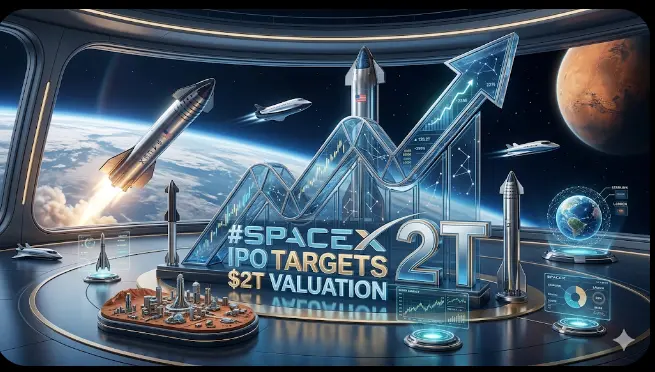
 :
: