


Coinbase, the largest cryptocurrency exchange in the US, sent a clear message to Senate offices this week: “We cannot support the latest stablecoin yield compromise of the CLARITY Act.” According to an exclusive report by Punchbowl News dated March 25, 2026, Coinbase representatives informed the Senate in a closed-door meeting on Monday that they had “significant concerns” about the new compromise text spearheaded by Senators Thom Tillis (R-NC) and Angela Alsobrooks (D-MD).
This development is not just an objection from one company; it creates a new and critical impasse in the Digital Asset Market CLARITY Act process, which has been moving forward with great hopes for months. Optimism peaked last week with Senator Cynthia Lummis’s statement that “99% resolved, bipartisan compromise coming soon.” Now, Coinbase’s resistance is jeopardizing the bill’s markup process in the Senate Banking Committee.
🕵️What Did the Compromise Propose, and Why Was Coinbase Against It?
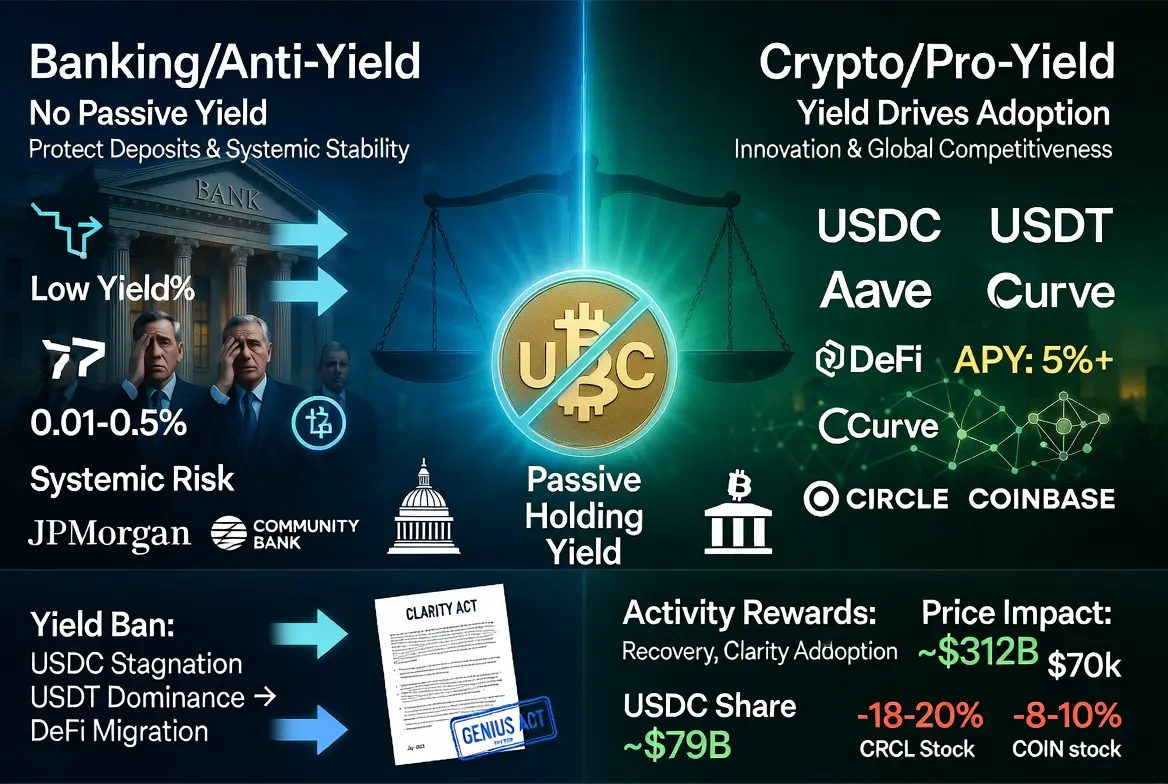
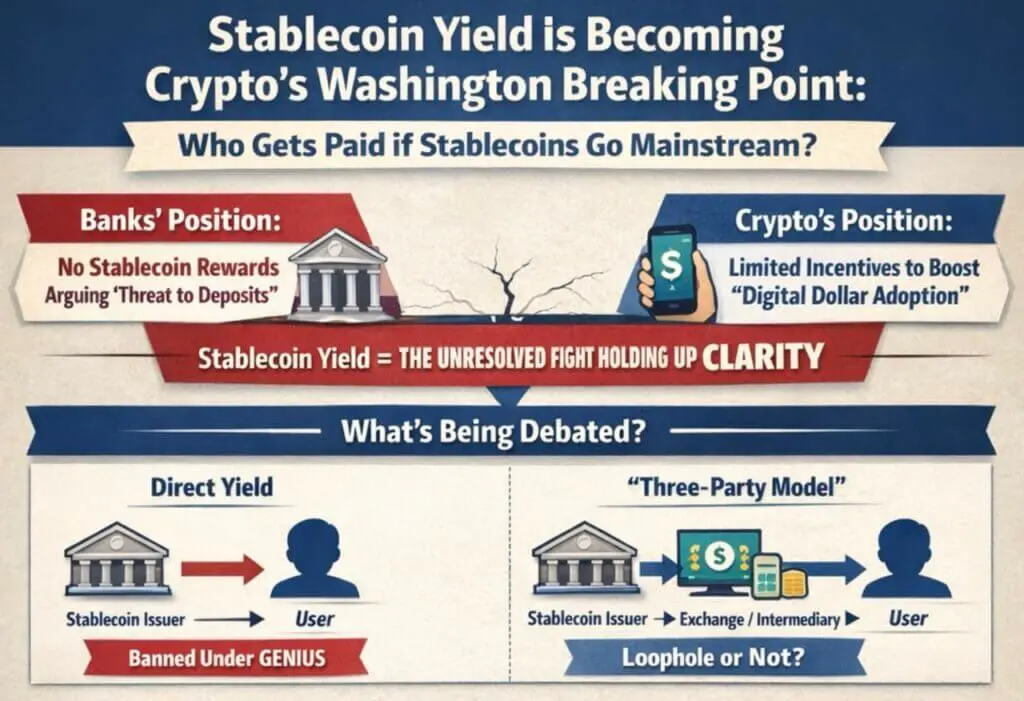
The latest text prepared by the Tillis-Alsobrooks duo aimed to tighten stablecoin rewards to prevent "deposit flight," the biggest fear of banks:
- It completely banned balance-based yields,
- It treated all "economically equivalent" rewards like bank interest,
- It only allowed limited rewards based on active use or transactions.
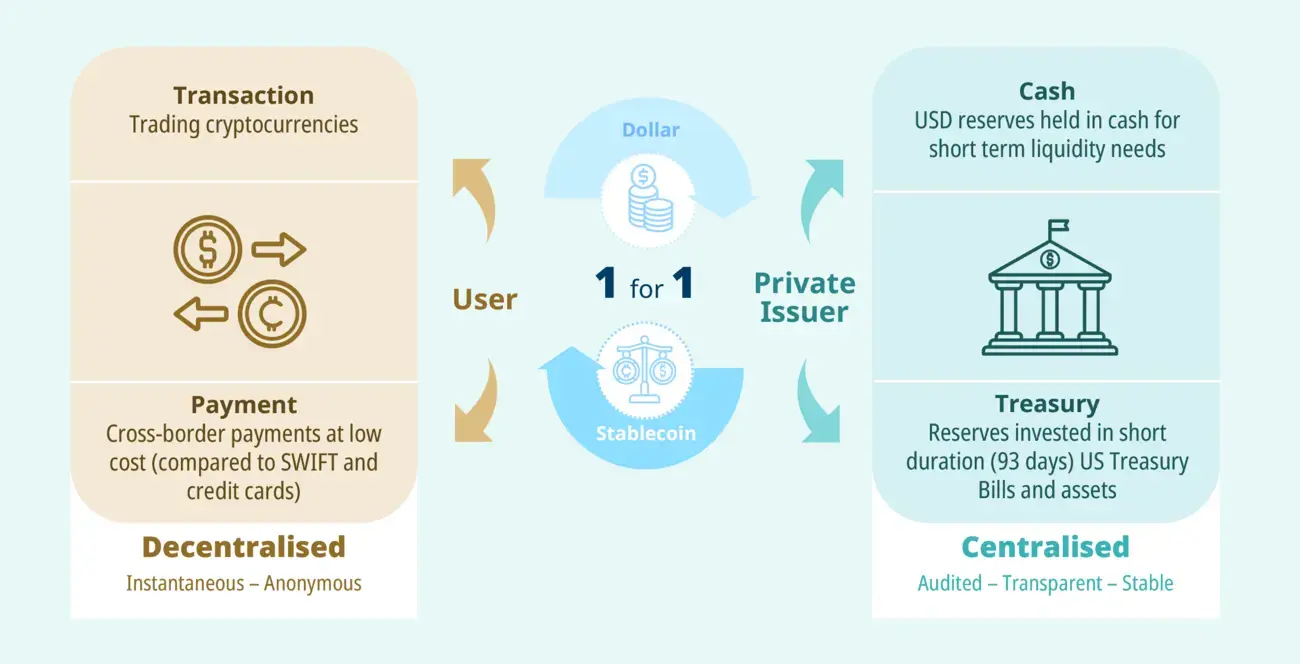
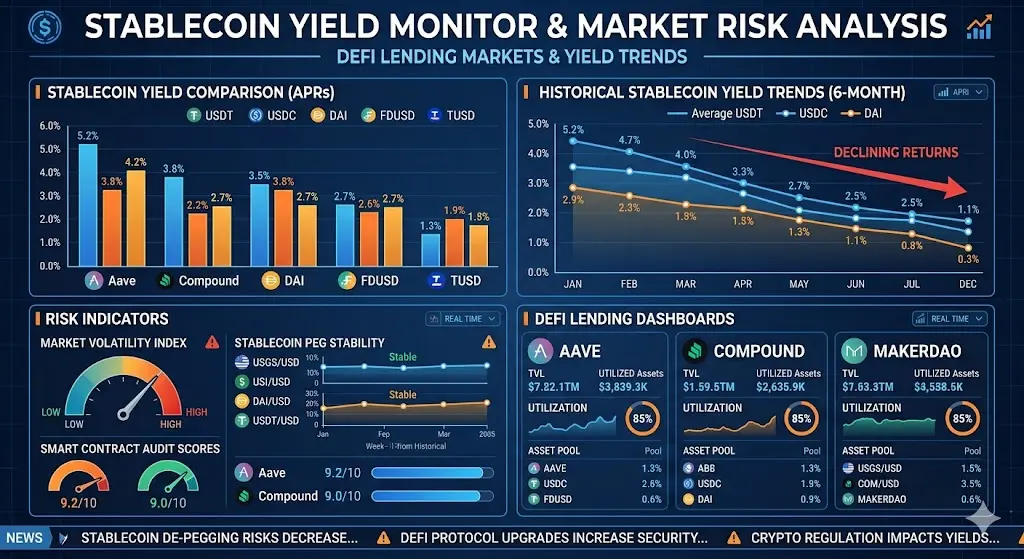
Coinbase, however, argues that this language is too vague and restrictive. The company states that the annual rewards of around 3.5-4% it offers on stablecoins like USDC (approximately $1.35 billion in revenue in 2025) will be severely reduced, users will be deprived of these incentives, and innovation will be undermined. According to Coinbase, despite its claim to "protect innovation," the proposal actually puts crypto platforms at a disadvantage compared to traditional banks.
This is Coinbase's second major objection. In January 2026, a similar compromise led to the withdrawal of support and a postponement of the markup. Now, the division within the sector is deepening: some crypto companies are saying "let's compromise to save the law," while Coinbase and a few other big players want "clear rules without compromise."
Market Reaction and Time Pressure
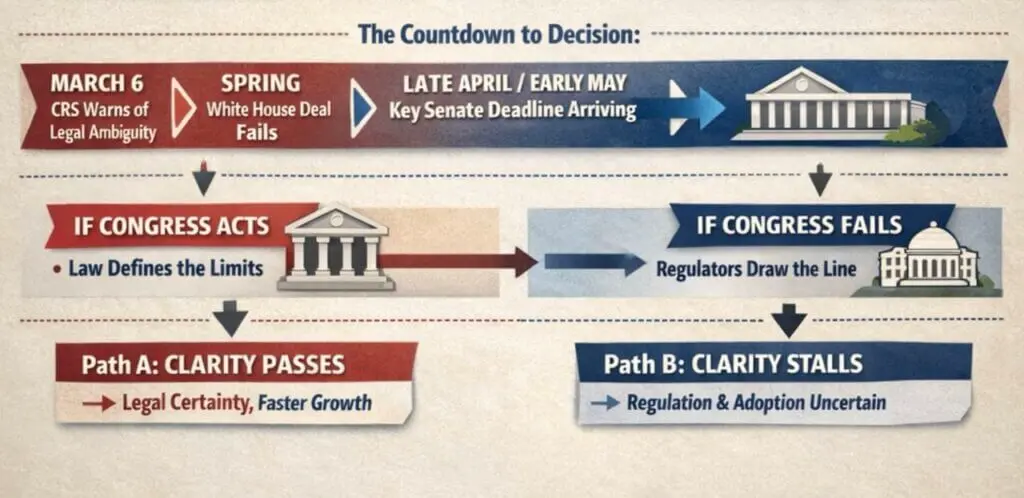
Following the news, Coinbase (COIN) and Circle (CRCL) shares fell sharply. Analysts estimate that the probability of the CLARITY Act passing this year has fallen to 61%. The Senate Banking Committee markup, targeted for the end of April, is once again in jeopardy. With the congressional calendar tightening before the 2026 midterm elections, every delay reduces the chances of the law passing.
Senator Lummis' warning that "we can't wait until 2030" remains on the table. However, the banking lobby (ICBA, JPMorgan, Bank of America) continues to argue that stablecoin yields could attract trillions of dollars in deposits. Coinbase, on the other hand, emphasizes that these rewards strengthen dollar dominance and crypto innovation in the US. Win-Win or a New War?
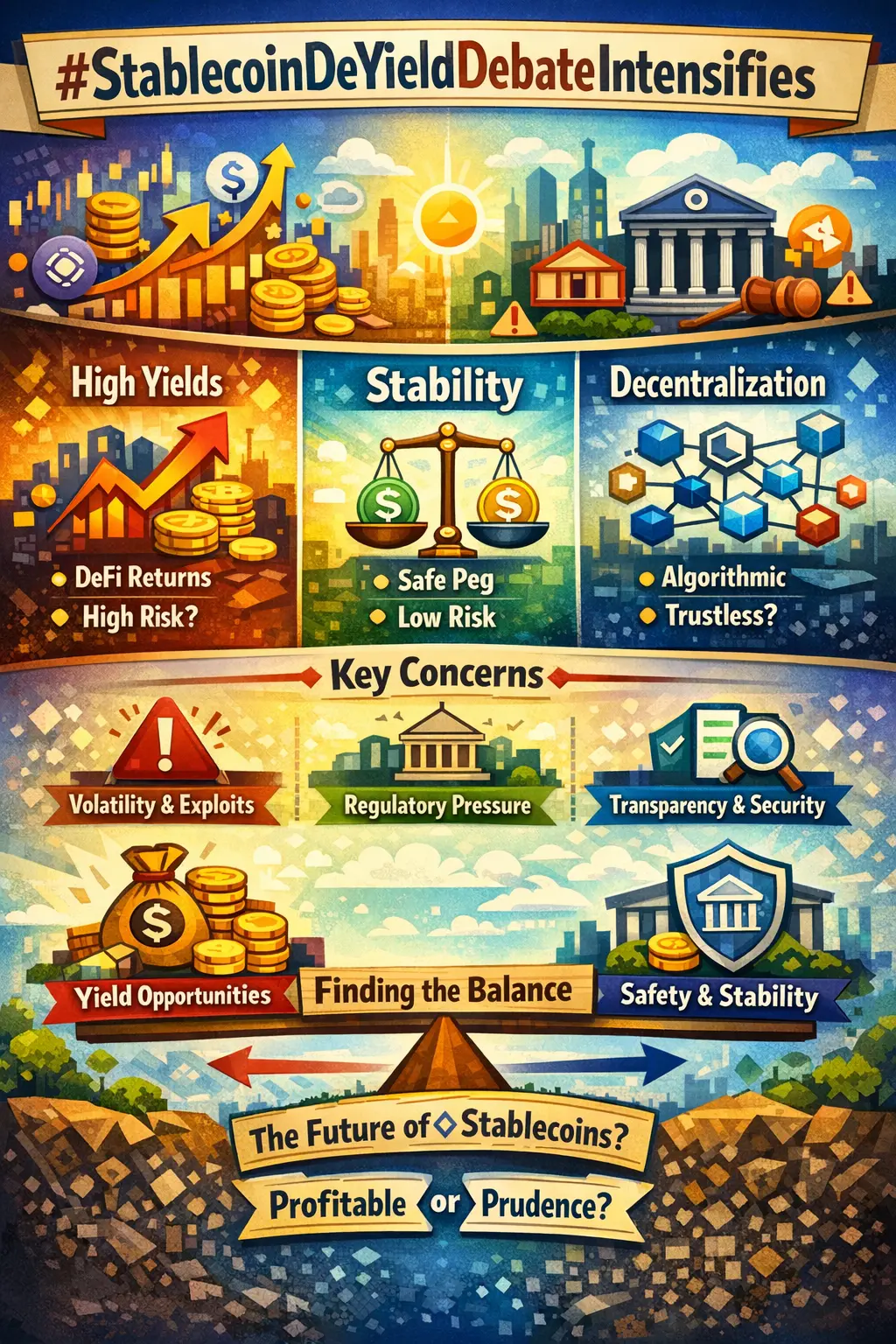
This development shows that the biggest tension between crypto and traditional finance remains unresolved.
- Coinbase's stance: "Rewards that benefit the user must be protected; otherwise, regulation will be worse than the status quo."
- Bank's stance: "Stablecoins shouldn't erode our deposits."
- Other crypto players: "Let the law pass, then we'll fix it in court or through regulation."
Realistic view: Without bipartisan support, the filibuster obstacle cannot be overcome. Coinbase's resistance could kill the law or soften it further. However, a complete "rewards ban" will not pass the Senate.
In conclusion, the CLARITY Act is still alive but its pulse is weak. Coinbase's objection is putting negotiations back on the table. Senators, the Tillis-Alsobrooks team, and the crypto lobby will engage in intense discussions in the coming days. The April markup will either be cancelled or saved by a new compromise.
The US's dream of becoming the "digital asset capital of the world" is being tested once again in this stablecoin yield war. Coinbase's statement that "we can't support it yet" isn't just the voice of one company; it's a critical warning that will shape the future of the sector. We'll be watching – because 2030 is truly a long way off.
#ClarityActLatestDraft
#CreatorLeaderboard
This development is not just an objection from one company; it creates a new and critical impasse in the Digital Asset Market CLARITY Act process, which has been moving forward with great hopes for months. Optimism peaked last week with Senator Cynthia Lummis’s statement that “99% resolved, bipartisan compromise coming soon.” Now, Coinbase’s resistance is jeopardizing the bill’s markup process in the Senate Banking Committee.
🕵️What Did the Compromise Propose, and Why Was Coinbase Against It?
The latest text prepared by the Tillis-Alsobrooks duo aimed to tighten stablecoin rewards to prevent "deposit flight," the biggest fear of banks:
- It completely banned balance-based yields,
- It treated all "economically equivalent" rewards like bank interest,
- It only allowed limited rewards based on active use or transactions.
Coinbase, however, argues that this language is too vague and restrictive. The company states that the annual rewards of around 3.5-4% it offers on stablecoins like USDC (approximately $1.35 billion in revenue in 2025) will be severely reduced, users will be deprived of these incentives, and innovation will be undermined. According to Coinbase, despite its claim to "protect innovation," the proposal actually puts crypto platforms at a disadvantage compared to traditional banks.
This is Coinbase's second major objection. In January 2026, a similar compromise led to the withdrawal of support and a postponement of the markup. Now, the division within the sector is deepening: some crypto companies are saying "let's compromise to save the law," while Coinbase and a few other big players want "clear rules without compromise."
Market Reaction and Time Pressure
Following the news, Coinbase (COIN) and Circle (CRCL) shares fell sharply. Analysts estimate that the probability of the CLARITY Act passing this year has fallen to 61%. The Senate Banking Committee markup, targeted for the end of April, is once again in jeopardy. With the congressional calendar tightening before the 2026 midterm elections, every delay reduces the chances of the law passing.
Senator Lummis' warning that "we can't wait until 2030" remains on the table. However, the banking lobby (ICBA, JPMorgan, Bank of America) continues to argue that stablecoin yields could attract trillions of dollars in deposits. Coinbase, on the other hand, emphasizes that these rewards strengthen dollar dominance and crypto innovation in the US. Win-Win or a New War?
This development shows that the biggest tension between crypto and traditional finance remains unresolved.
- Coinbase's stance: "Rewards that benefit the user must be protected; otherwise, regulation will be worse than the status quo."
- Bank's stance: "Stablecoins shouldn't erode our deposits."
- Other crypto players: "Let the law pass, then we'll fix it in court or through regulation."
Realistic view: Without bipartisan support, the filibuster obstacle cannot be overcome. Coinbase's resistance could kill the law or soften it further. However, a complete "rewards ban" will not pass the Senate.
In conclusion, the CLARITY Act is still alive but its pulse is weak. Coinbase's objection is putting negotiations back on the table. Senators, the Tillis-Alsobrooks team, and the crypto lobby will engage in intense discussions in the coming days. The April markup will either be cancelled or saved by a new compromise.
The US's dream of becoming the "digital asset capital of the world" is being tested once again in this stablecoin yield war. Coinbase's statement that "we can't support it yet" isn't just the voice of one company; it's a critical warning that will shape the future of the sector. We'll be watching – because 2030 is truly a long way off.
#ClarityActLatestDraft
#CreatorLeaderboard