# Comprendre le Concept de Bloc dans la Blockchain
Cet article explore la structure fondamentale des blocs blockchain, ces conteneurs cryptographiques qui enregistrent et sécurisent les transactions numériques. Vous découvrirez comment les blocs sont générés par les mineurs, liés cryptographiquement les uns aux autres, et validés par le réseau décentralisé. De la genèse block aux mécanismes de consensus, en passant par les applications étendues au-delà des crypto-monnaies, ce guide complet répond aux questions essentielles des investisseurs et utilisateurs de Gate cherchant à maîtriser la technologie blockchain. Idéal pour comprendre l'immuabilité des données et la sécurité des transactions sur Gate.
Definition of Block
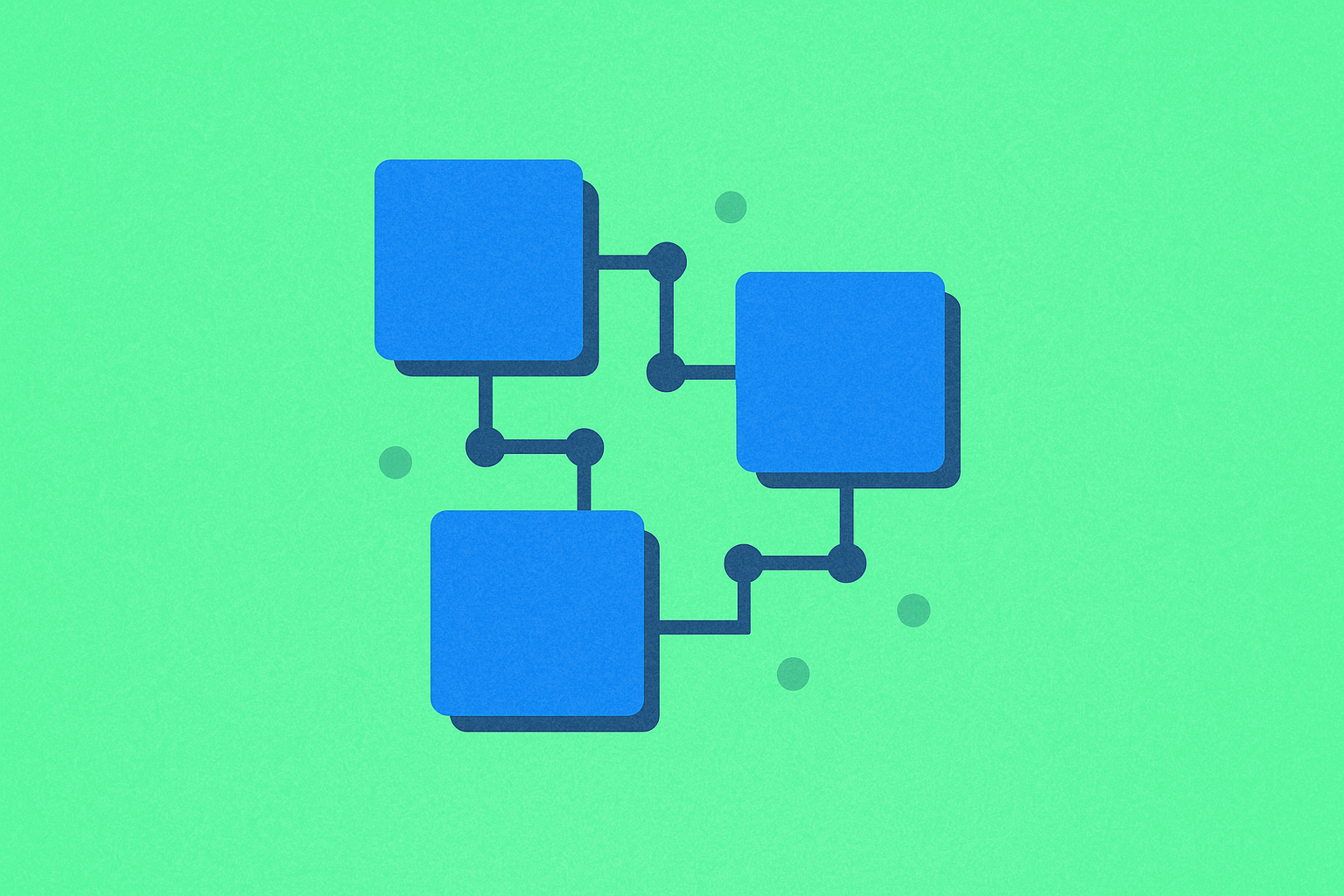
In the context of blockchain technology, a block refers to a computer file that stores transaction data. These blocks form the fundamental building units of a blockchain system. Each block contains crucial information about transactions that have occurred on the network, creating a permanent and immutable record.
The term "blockchain" itself derives from the structure of these blocks—they are arranged in a linear, sequential manner that forms an endless chain. All information about transactions within a blockchain is gathered and recorded inside these blocks. Importantly, every newly generated block is connected to the previous one through the use of advanced cryptographic techniques, establishing a secure and verifiable link between consecutive blocks.
Structure and History of Blockchain
The chain of linked blocks stores all the transaction data generated since the launch of a particular blockchain network. This means the records extend all the way back to the first block, which is referred to as the genesis block or block zero. This foundational block serves as the starting point for the entire blockchain.
The number of confirmed blocks added to the chain since the genesis block is denoted as the block height. This metric is important for tracking the maturity and development of a blockchain network over time.
Components of a Block
Taking the Bitcoin blockchain as an example, blocks are composed of multiple elements working together to create a comprehensive transaction record. Bitcoin blocks typically contain a list of recent transactions that have been validated by the network. Additionally, each block includes a timestamp that records when the block was created, and a reference to the block that came immediately before it.
This reference to the previous block is particularly significant—it is a cryptographic hash of the previous block's data. This hash acts as a unique identifier for the block and serves as the cryptographic link that chains blocks together into a secure sequence.
Cryptographic Linking and Mining
The generation of a new block always includes the hash of the previous one, and this is what makes the blocks cryptographically linked together. Such a structure allows the creation of a secure database that is highly resistant to tampering and attacks, as any attempt to alter historical data would break the cryptographic chain.
The block hash is essentially the solution to a complex mathematical problem. It is unique to each block and is produced through a process called mining. Miners compete to find valid solutions for the next block, and the miner that successfully solves the cryptographic puzzle is granted the right to validate that block and its transactions.
Since mining requires a significant amount of computational resources, successfully mined blocks produce new cryptocurrencies as a way to reward miners for their work—a mechanism known as the block reward. This incentive system ensures that miners continue to secure and validate the network.
Block Competition and Orphan Blocks
In some instances, two or more miners may find a valid block hash at the same time, resulting in two different blocks being broadcasted to the network simultaneously. This leads to the creation of two competing chains that temporarily diverge from one another.
To address this problem, the participants of the network (nodes) follow a consensus mechanism where they choose the chain that eventually becomes the longest, accumulating the most "accumulated work." The alternative chain is then discarded, and its blocks become stale blocks, also referred to as orphan blocks. This ensures that the network ultimately converges on a single, canonical version of the blockchain.
Extended Applications
Although blocks are most commonly discussed in the context of cryptocurrency transactions, they may also be related to other types of digital data that are stored on blockchain systems. The fundamental concept of organizing data into cryptographically linked blocks can be applied to various use cases beyond financial transactions, including supply chain management, digital identity verification, and smart contract execution. This versatility demonstrates the broad potential of blockchain technology beyond its original cryptocurrency applications.
FAQ
Qu'est-ce qu'un Block(bloc)dans la blockchain ?
Un bloc est un conteneur de données sur la blockchain qui stocke un ensemble de transactions vérifiées。Une fois rempli et confirmé,il est ajouté à la chaîne précédente。
Les blocs sont générés par les mineurs qui résolvent des problèmes mathématiques complexes(挖矿过程)。Une fois créé,le bloc est vérifié par le réseau et ajouté à la chaîne blockchain après validation des transactions.
La taille limite d'un Block est-elle, et pourquoi faut-il la limiter?
Block a une taille maximale de 1024 threads pour s'adapter aux unités de traitement GPU. Cette limite optimise l'efficacité d'exécution et évite l'épuisement des ressources système.
Quelle est la relation entre Block et Transaction(交易)dans la blockchain?
Block是Transaction的容器。多笔交易被打包进一个Block中,Block包含交易额、时间戳等信息。交易是Block的基本单位,Block通过记录和验证交易来维护区块链的完整性。
L'en-tête de bloc est une partie clé de la structure blockchain contenant des métadonnées essentielles。Il inclut le hash du bloc précédent,l'horodatage,la racine Merkle,la difficulté,le nonce et d'autres données critiques garantissant l'intégrité et la continuité de la chaîne。
La blockchain sécurise les données par cryptographie par hachage et mécanismes de consensus distribués。Chaque bloc est lié cryptographiquement au précédent;toute modification est détectée par le réseau。Le consensus distribué prévient la falsification des données。
* Les informations ne sont pas destinées à être et ne constituent pas des conseils financiers ou toute autre recommandation de toute sorte offerte ou approuvée par Gate.