
US November PPI data exceeds expectations, leading to a decline in US stocks. However, Bitcoin has shown an independent upward trend, reaching a high of $97,924 in the past 24 hours, breaking through the 99-day moving average. What is the reason?
High US PPI index causes US stocks to fall, but Bitcoin surges
Last night, the US released the Producer Price Index (PPI) for November, with a month-over-month increase of 0.2%, higher than the market expectation of 0.1%, and an annual increase of 3.0%.
The market was still optimistic the day before about December CPI data meeting expectations, but after the PPI data was released, concerns about future rate cuts resurfaced.
The three major US indices closed lower, including the S&P which fell 0.53%, marking the first consecutive two-day decline since 2026. The Nasdaq also dropped 1%. However, Bitcoin ($BTC) has shown an independent rally, reaching a high of $97,924 in the past 24 hours, breaking through the 99-day moving average, and currently pulling back to $96,552.
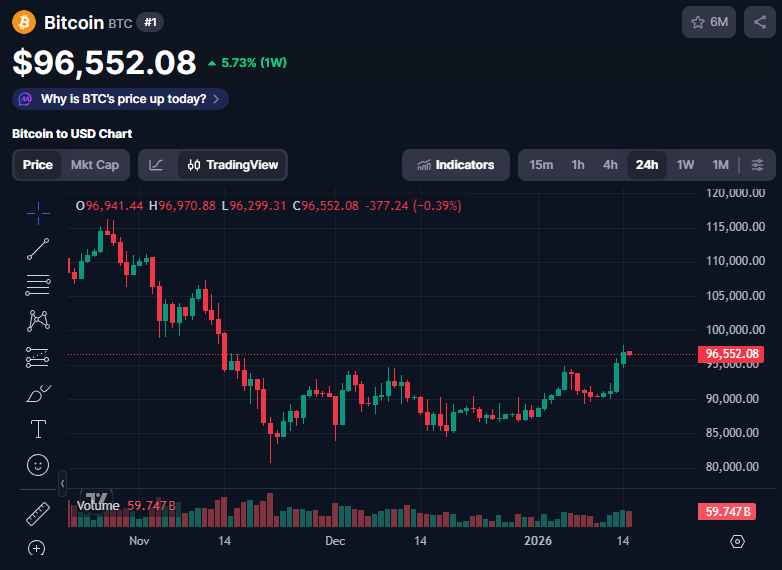
Image source: CoinMarketCap Bitcoin reached a high of $97,924 in the past 24 hours
Why did Bitcoin rise for two consecutive days?
According to comprehensive analysis from foreign media, Bitcoin’s ability to ignore the adverse PPI index and rise is mainly due to large capital inflows into Bitcoin ETFs, short squeeze effects, and the Goldilocks phenomenon.
SoSoValue data shows that US Bitcoin spot ETF saw inflows of $753 million on Tuesday, the largest single-day inflow since October 7 last year.
Analysts believe that ETF capital inflows indicate that traditional and institutional investors, after rebalancing their portfolios, are reallocating funds back into risk assets.
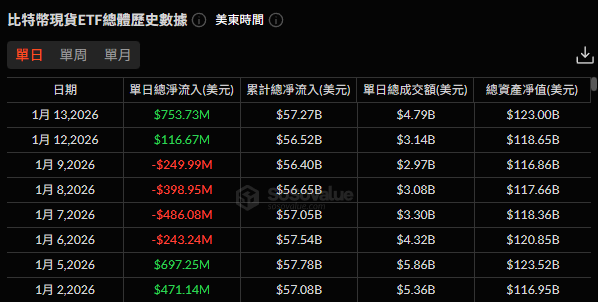
Image source: SoSoValue US Bitcoin spot ETF inflowed $753 million on Tuesday
Cointelegraph analysis points out that Coinbase premium index shows easing selling pressure from the US, and inflows into Coinbase Advanced are 2.5 times the baseline, suggesting active institutional positioning. Additionally, Binance’s hourly net buy volume exceeded $500 million, and the funding rate for perpetual contracts hit multi-month lows, reflecting excessive short positions in the market, which triggered short squeezes and pushed spot prices higher.
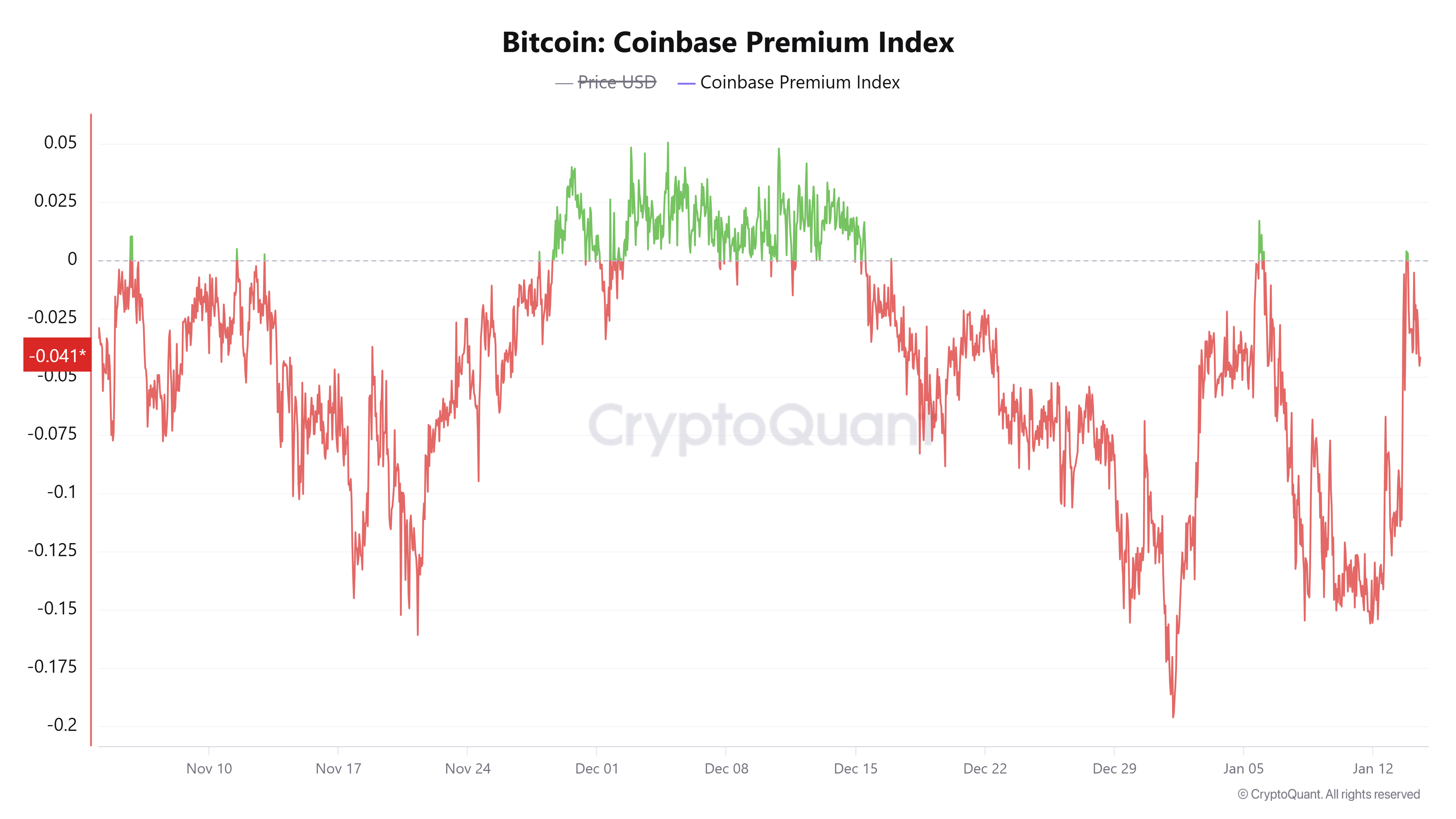
Image source: Cointelegraph Coinbase premium index shows easing US selling pressure, with inflows into Coinbase Advanced reaching 2.5 times the baseline
Crypto trading firm QCP Capital also believes that despite turbulence in Venezuela and Iran, and US involvement, the overall economic environment remains in a Goldilocks state, indicating moderate growth—neither overheating (high inflation) nor cooling (recession), low unemployment, and stable interest rates.
Furthermore, as the US advances the legislative review of the crypto market structure bill and improves regulatory transparency, investor risk appetite for cryptocurrencies and other asset classes has increased.
Does Bitcoin need to hold the $93,500 support, with $100,000 within reach?
As Bitcoin approaches its all-time high, well-known analyst Rekt Capital states that Bitcoin needs to hold the critical support level of $93,500. If the price continues to rise, there is little resistance before reaching $100,000, but between $103,300 and $107,500, there could be significant selling pressure.
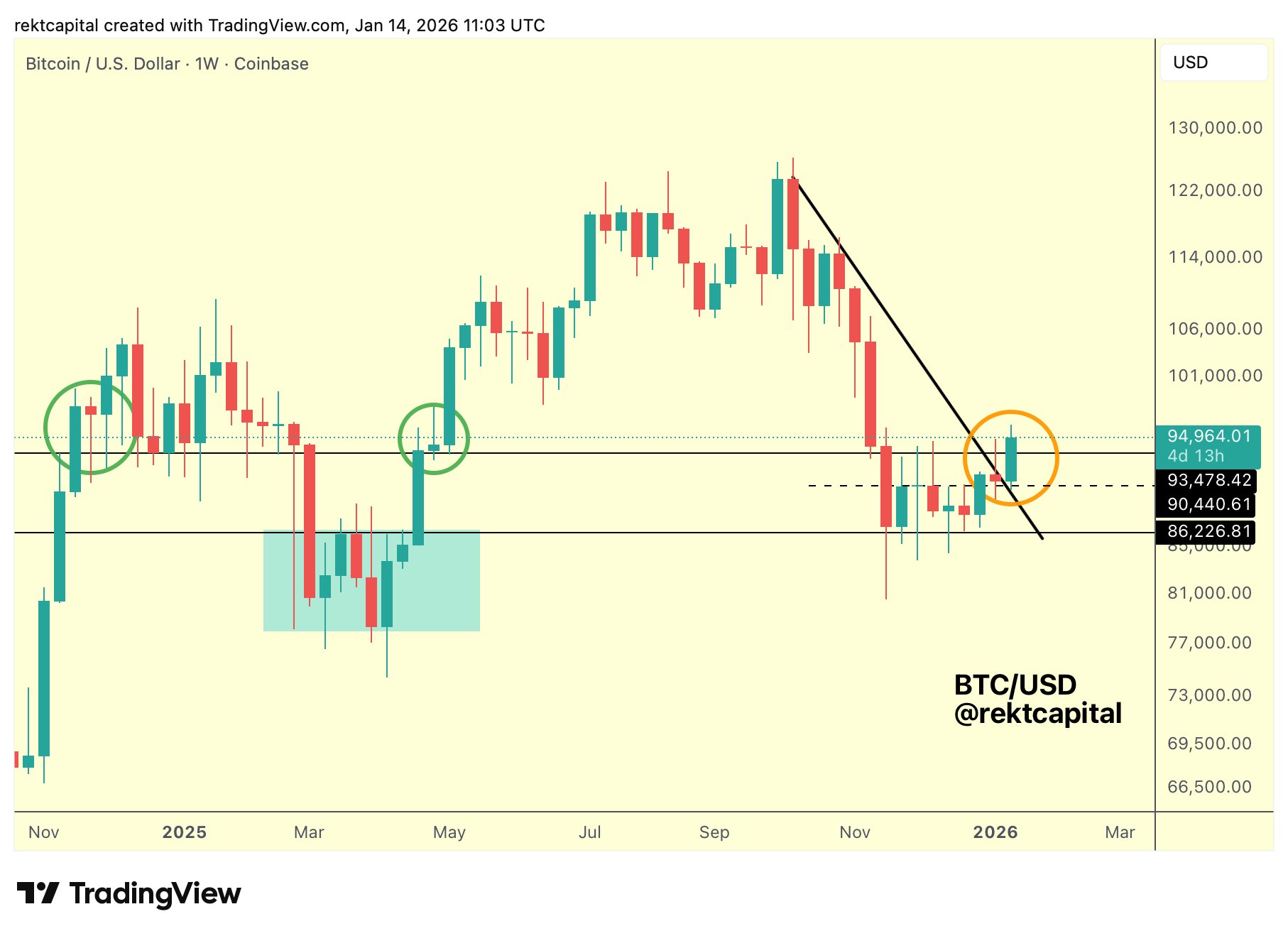
Image source: RektCapital Well-known analyst Rekt Capital states that Bitcoin needs to hold the critical support of $93,500
On the other hand, senior analyst Marcel Pechman points out that the Delta slope indicator of Bitcoin options shows that the trading price of puts remains higher than calls, indicating that professional traders are still skeptical about Bitcoin’s ability to sustain above $100,000.
Bloomberg also added that although some wealth management firms believe the US stock market is off to a good start this year, with upcoming tech earnings reports and geopolitical concerns, market volatility could increase. For Bitcoin, whether it can continue to rely on ETF capital inflows to maintain an independent trend amid these concerns will be a key focus moving forward.
Further reading:
Rumors say Venezuela has $60 billion worth of Bitcoin, will the US take it? SEC: Whether to confiscate remains to be seen
Disclaimer: The information on this page may come from third parties and does not represent the views or opinions of Gate. The content displayed on this page is for reference only and does not constitute any financial, investment, or legal advice. Gate does not guarantee the accuracy or completeness of the information and shall not be liable for any losses arising from the use of this information. Virtual asset investments carry high risks and are subject to significant price volatility. You may lose all of your invested principal. Please fully understand the relevant risks and make prudent decisions based on your own financial situation and risk tolerance. For details, please refer to
Disclaimer.
Related Articles
Retail investors are not trading cryptocurrencies but stocks? Cryptocurrency market liquidity is moving to the US stock market, AI helps interpret financial reports and boosts confidence
Wintermute's research indicates that retail cryptocurrency funds are flowing heavily into the US stock market, reversing the correlation to become negatively correlated. As liquidity in the crypto market declines, retail investors prefer mature stock markets, aided by generative AI enhancing their investment capabilities. Cryptocurrencies are gradually becoming part of asset allocation.
CryptoCity28m ago
ETH drops 1.36% in 15 minutes: Deteriorating macro sentiment and liquidity crunch trigger spot selling pressure
From 02:45 to 03:00 on March 8, 2026 (UTC), ETH prices fluctuated sharply within the range of 1,936.0 to 1,969.18 USDT. The 15-minute candlestick yield was -1.36%, with an amplitude of 1.68%. The short-term downtrend intensified, market attention significantly increased, trading activity was high, and panic sentiment dominated.
The main driver of this anomaly was the widespread decline in global risk assets and escalating extreme panic sentiment. Major US stock indices experienced a sharp pullback, and the VIX fear index soared to 29.49 (+24.17%), leading to
GateNews1h ago
BTC drops 0.71% in 15 minutes: Weak macro data and miner sell-off resonate, increasing selling pressure
2026-03-08 02:45 to 03:00 (UTC), Bitcoin (BTC) price candlestick data shows a 15-minute return of -0.71%, with the lowest at 66,837.0 USDT and the highest at 67,402.7 USDT, with an amplitude of 0.84%. Short-term volatility has attracted market attention, with on-chain risk signals rising to 0.84, above the historical average, indicating cautious investor sentiment and increased market fluctuations.
The main driver of this anomaly is the US February employment data, which significantly underperformed expectations, with a sharp decrease in new jobs and the unemployment rate rising to 4.4%, combined with the US
GateNews1h ago
The US-Iran conflict enters the second phase: Trump emphasizes "no ground action for now," airstrikes have destroyed over 3,000 targets, Bitcoin drops to 67,000.
Trump stated that the U.S. military currently has no plans to deploy ground troops, mainly conducting airstrikes, and has destroyed over 3,000 Iranian military targets. Market risk aversion has increased, with Bitcoin dropping to $67,000. The fighting continues between both sides, and Iran has vowed to retaliate.
動區BlockTempo2h ago
PEPE faces volatility risk as the threat of a "short squeeze" increases
The memecoin market is experiencing a significant downturn as the total industry capitalization has dropped by 48% over the past year and declined another 6.9% in the most recent month, according to data from CoinMarketCap. Meanwhile, a report from Glassnode indicates that this sector has only grown modestly by 2.2% in the past t
TapChiBitcoin2h ago


