Drawdown là gì?
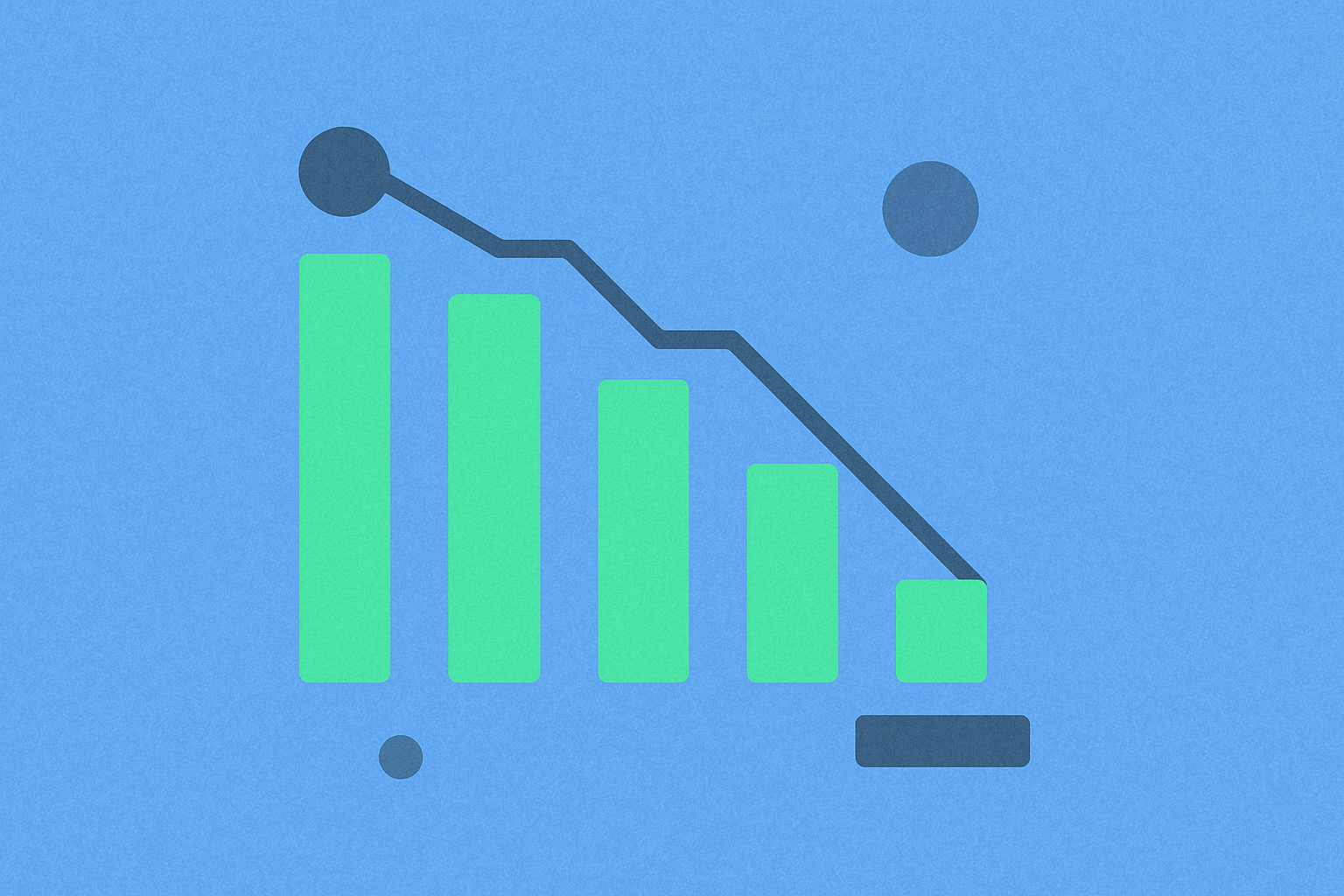
Drawdown là mức giảm giá trị tài sản hoặc vốn chủ sở hữu tài khoản từ đỉnh lịch sử đến đáy tiếp theo, thường được thể hiện bằng phần trăm. Hiểu đơn giản, drawdown cho biết giá trị đã giảm bao nhiêu sau khi đạt đỉnh cao nhất.
Ví dụ, nếu vốn chủ sở hữu tài khoản tăng từ 10.000 lên 12.000 rồi giảm xuống 9.000, tỷ lệ drawdown trong giai đoạn này là (12.000−9.000)÷12.000=25%. Ở đây, “vốn chủ sở hữu” là tổng giá trị tài sản trong tài khoản của bạn, được xác định theo giá thị trường, thường được thể hiện qua “đường cong vốn chủ sở hữu”.
Cách tính drawdown
Bạn có thể tính drawdown theo các bước sau:
Bước 1: Xác định “vốn chủ sở hữu cao nhất” tính đến thời điểm hiện tại trong chuỗi thời gian — đây là đỉnh hoặc mốc cao nhất.
Bước 2: Từ đỉnh này, tiếp tục tìm về phía trước để xác định giá trị vốn chủ sở hữu thấp nhất tiếp theo — đây là đáy.
Bước 3: Tính tỷ lệ drawdown bằng công thức (đỉnh−đáy)÷đỉnh để ra phần trăm. Nếu tính drawdown tuyệt đối theo số tiền, chỉ cần lấy đỉnh−đáy.
Bước 4: Áp dụng phép tính này trên toàn bộ chuỗi thời gian để xác định drawdown cho từng giai đoạn, rồi chọn mức sâu nhất — gọi là “drawdown tối đa”, sẽ được đề cập sau.
Có hai lưu ý quan trọng: Thứ nhất, nếu có nạp hoặc rút vốn trong giai đoạn này, bạn cần điều chỉnh đường cong vốn chủ sở hữu để tránh nhầm lẫn dòng tiền vào/ra với lãi hoặc lỗ. Thứ hai, kết quả sẽ khác nhau tùy theo khung thời gian tính toán, nên luôn so sánh các chiến lược hoặc tài khoản trong cùng một giai đoạn.
Drawdown tối đa là gì?
Drawdown tối đa là mức giảm sâu nhất trong tất cả các giai đoạn drawdown trong khoảng thời gian quan sát. Nó trả lời cho câu hỏi: ở trường hợp xấu nhất, vốn đã giảm từ đỉnh xuống đáy bao nhiêu?
Mục đích chính là đo lường “rủi ro trường hợp xấu nhất”. Nếu Chiến lược A có drawdown tối đa −15%, còn Chiến lược B là −45%, dù B có lợi nhuận hàng năm cao hơn, nhiều nhà đầu tư vẫn khó bám trụ về mặt tâm lý và tài chính. Thực tế, nhiều người đặt “dừng lỗ hệ thống”: khi vốn chủ sở hữu giảm quá ngưỡng đã đặt trước (ví dụ 10% hoặc 20%) so với đỉnh, họ sẽ giảm vị thế hoặc tạm ngừng giao dịch để đánh giá và phục hồi.
Drawdown và Pullback: Khác biệt là gì?
Drawdown đo lường “mức giảm giá trị tài khoản hoặc tài sản từ đỉnh lịch sử”, là chỉ báo rủi ro ở cấp độ đường cong vốn chủ sở hữu. Pullback thường chỉ “đợt giảm giá ngắn hạn trong xu hướng tăng” và dùng nhiều trong giao dịch. Hai khái niệm này liên quan nhưng không giống nhau.
Cũng cần phân biệt “drawdown” với “lỗ”. Drawdown bao gồm cả lỗ chưa thực hiện (giảm giá trên giấy) và lỗ đã thực hiện (sau khi bán). Trong khi đó, “biến động” phản ánh mức độ và tần suất dao động giá nhưng không cho biết tài sản đã giảm bao xa so với đỉnh. Do đó, drawdown là thước đo trực quan hơn về biên an toàn vốn.
Vì sao drawdown quan trọng trong đầu tư tiền mã hóa?
Thị trường tiền mã hóa biến động mạnh và giao dịch liên tục, khiến các đợt drawdown sâu trong ngày rất phổ biến. Việc dùng đòn bẩy và phái sinh làm khuếch đại biến động giá, khiến vốn chủ sở hữu biến động lớn hơn — tức drawdown sâu hơn. Với các hoạt động như tạo lập thị trường hoặc cung cấp thanh khoản, biến động giá cũng có thể gây thêm lỗ trên giấy, ảnh hưởng đến đường cong vốn chủ sở hữu.
Vì vậy, đánh giá độ ổn định chiến lược và đặt ngưỡng rủi ro ở cấp tài khoản dựa trên drawdown thường quan trọng hơn việc chỉ chú trọng lợi nhuận. Khi drawdown chạm ngưỡng chịu đựng rủi ro, việc điều chỉnh kịp thời quy mô vị thế và tần suất giao dịch có thể giảm đáng kể phản ứng cảm xúc tiêu cực.
Cách kiểm soát rủi ro drawdown
Các biện pháp kiểm soát rủi ro có thể áp dụng ở cấp tài khoản, vị thế và thực thi giao dịch:
Bước 1: Đặt ngưỡng drawdown ở cấp tài khoản. Ví dụ, đặt mức drawdown tối đa từ đỉnh là 10% hoặc 15% (chỉ minh họa — không phải khuyến nghị tài chính). Nếu bị kích hoạt, hãy giảm đòn bẩy, cắt vị thế hoặc tạm ngừng giao dịch để đánh giá lại.
Bước 2: Đặt giới hạn rủi ro cho từng giao dịch. Giới hạn “lỗ tối đa” trên mỗi giao dịch ở mức nhỏ so với tổng vốn chủ sở hữu (ví dụ dưới 1%) và thực hiện bằng lệnh dừng lỗ. Điều này giúp kiểm soát tổng drawdown khi gặp chuỗi lỗ liên tiếp.
Bước 3: Sử dụng phân bổ vị thế và đa dạng hóa. Tham gia thị trường theo nhiều đợt hoặc phân tán rủi ro vào các tài sản ít tương quan để tránh drawdown sâu do sự kiện đơn lẻ.
Bước 4: Áp dụng lệnh dừng lỗ động. Lệnh dừng lỗ động là lệnh dừng lỗ tự động dịch chuyển lên khi giá tăng, giúp khóa lợi nhuận khi có xu hướng và kiểm soát drawdown khi giá đảo chiều.
Bước 5: Thiết lập cơ chế đánh giá lại. Sau khi đạt ngưỡng drawdown, tạm ngừng giao dịch chủ động, xem lại nhật ký và giả định rủi ro, nếu cần thì hạ mục tiêu lợi nhuận để tập trung phục hồi ổn định.
Cách theo dõi và quản lý drawdown trên Gate
Bạn có thể quản lý drawdown trên Gate bằng các công cụ và tính năng xuất dữ liệu của nền tảng:
Bước 1: Theo dõi biến động vốn chủ sở hữu tài khoản. Trên trang tài sản, quan sát sự thay đổi vốn chủ sở hữu theo thời gian — chính là “đường cong vốn chủ sở hữu”. Một số trang cho phép xem theo từng tài khoản phụ hoặc tách biệt giữa spot và tài khoản hợp đồng để phân tích chi tiết hơn.
Bước 2: Xuất lịch sử giao dịch và biến động vốn. Xuất tệp CSV lịch sử nạp/rút hoặc giao dịch và sử dụng phần mềm bảng tính để tính drawdown và drawdown tối đa — lưu ý loại trừ nạp/rút khỏi phép tính.
Bước 3: Đặt lệnh dừng lỗ/chốt lời và giới hạn rủi ro. Thiết lập sẵn các ngưỡng dừng lỗ khi đặt lệnh hoặc sử dụng lệnh điều kiện để tránh lỗ không kiểm soát. Với giao dịch phái sinh, chọn chế độ ký quỹ riêng biệt hoặc chéo tùy mức chịu rủi ro và điều chỉnh đòn bẩy/giới hạn rủi ro phù hợp.
Bước 4: Tạo cảnh báo ở cấp tài khoản. Thiết lập cảnh báo drawdown vốn chủ sở hữu để kích hoạt các phương án như giảm quy mô vị thế, hạ đòn bẩy hoặc dừng giao dịch.
Giao dịch và sử dụng đòn bẩy luôn tiềm ẩn rủi ro; hãy đặt các thông số quản lý rủi ro phù hợp với hoàn cảnh của bạn và tránh giao dịch quá mức.
Cách cân bằng drawdown và lợi nhuận
Một cách thực tế là đặt “ngân sách drawdown” trước khi đặt mục tiêu lợi nhuận. Nếu ngân sách drawdown ở cấp tài khoản là 10%, bạn nên chọn các chiến lược từng ghi nhận lợi nhuận chấp nhận được trong khi drawdown quanh mức đó — không chỉ chọn chiến lược có lợi nhuận cao nhất.
Bạn cũng có thể dùng các chỉ số hiệu chỉnh rủi ro đơn giản như tỷ lệ “lợi nhuận hàng năm ÷ drawdown tối đa” để đo lường hiệu quả — tức mỗi đơn vị rủi ro drawdown bạn thu được bao nhiêu lợi nhuận. Ví dụ: Chiến lược A có lợi nhuận hàng năm 20% với drawdown tối đa −10% (tỷ lệ = 2); Chiến lược B có lợi nhuận 35% nhưng drawdown tối đa −30% (tỷ lệ ≈ 1,17). Tỷ lệ càng cao thường cho thấy chiến lược ổn định hơn. (Chỉ minh họa, không phải khuyến nghị).
Những sai lầm phổ biến về drawdown
Sai lầm #1: Chỉ tập trung lợi nhuận mà bỏ qua drawdown. Lợi nhuận cao đi kèm drawdown sâu thường không bền vững về lâu dài.
Sai lầm #2: Coi drawdown tối đa trong quá khứ là giới hạn cứng. Thị trường tương lai có thể khiến drawdown còn sâu hơn; cực trị trong quá khứ không đảm bảo cho giới hạn tương lai.
Sai lầm #3: Sử dụng mẫu dữ liệu quá ngắn. Đánh giá drawdown chỉ qua vài tuần hoặc tháng sẽ làm giảm độ tin cậy về rủi ro — nên lấy mẫu qua nhiều chu kỳ thị trường khác nhau.
Sai lầm #4: Không điều chỉnh dòng vốn vào/ra. Coi nạp vốn là lãi hoặc rút vốn là lỗ sẽ làm sai lệch phép đo drawdown thực tế.
Sai lầm #5: Đồng nhất drawdown tài khoản với pullback giá. Drawdown tài khoản có thể bị khuếch đại bởi đòn bẩy, trượt giá và phí — không phải lúc nào cũng tỷ lệ thuận với pullback giá cơ sở.
Những điểm cần lưu ý về drawdown và bước tiếp theo
Drawdown là chỉ số cốt lõi để đánh giá sức bền đường cong vốn chủ sở hữu; drawdown tối đa phản ánh kịch bản rủi ro “tồi tệ nhất”. Hãy bắt đầu bằng việc học cách tính drawdown nhất quán cho các chiến lược, sau đó đặt ngưỡng ở cấp tài khoản và giới hạn rủi ro cho từng giao dịch. Sử dụng lệnh dừng lỗ, phân bổ vị thế và cảnh báo để thực thi. Khi vượt ngưỡng, hãy ưu tiên bảo vệ vốn và ổn định đường cong trước khi tiếp tục tìm kiếm lợi nhuận. Hãy coi quản lý drawdown như kiểm tra sức khỏe định kỳ — điều kiện sống còn khi tham gia thị trường biến động mạnh.
Câu hỏi thường gặp
Drawdown và pullback khác nhau như thế nào?
Cả hai đều chỉ sự sụt giảm giá nhưng ý nghĩa khác biệt. Drawdown là mức giảm từ đỉnh lịch sử xuống đáy hiện tại — thước đo tuyệt đối về mức lỗ; pullback là đợt điều chỉnh ngắn hạn trong xu hướng tăng, thường được xem là cơ hội mua vào. Tóm lại: drawdown thể hiện kịch bản xấu nhất; pullback phản ánh sự điều chỉnh xu hướng.
Tại sao tôi có lợi nhuận tốt nhưng drawdown tối đa lại cao?
Điều này phản ánh sự cân bằng giữa rủi ro và lợi nhuận. Lợi nhuận cao thường đi cùng biến động lớn — dù cuối cùng bạn vẫn có lãi, nhưng có thể phải chịu lỗ lớn trong quá trình. Ví dụ, chiến lược có lợi nhuận hàng năm 50% nhưng drawdown tối đa 30% là rất mạo hiểm; trong khi chiến lược lợi nhuận 15% và drawdown tối đa chỉ 5% sẽ ổn định hơn. Hãy chọn mức rủi ro/drawdown phù hợp với khả năng chịu đựng của bạn.
Tôi có thể kiểm soát drawdown như thế nào trên thực tế?
Một số cách phổ biến gồm: đặt lệnh dừng lỗ (ví dụ đóng vị thế nếu lỗ vượt 5%), đa dạng hóa (không dồn vốn vào một tài sản), và chốt lời định kỳ (bán một phần khi đạt mục tiêu). Trên Gate, bạn có thể sử dụng lệnh dừng lỗ hoặc dừng lỗ động để hệ thống tự động giới hạn rủi ro và tránh các quyết định cảm tính.
Người mới thường mắc lỗi gì về drawdown?
Các lỗi điển hình gồm: phản ứng thái quá với drawdown ngắn hạn bằng việc dừng lỗ liên tục (dẫn đến lỗ nhiều hơn), bỏ qua drawdown khi chỉ chạy theo lợi nhuận, hoặc đánh giá chiến lược là “chết” chỉ dựa vào drawdown tối đa (trong khi cần xét cả lợi nhuận). Cách đúng là coi drawdown như chỉ số rủi ro dài hạn thay vì tín hiệu giao dịch ngắn hạn — giúp bạn xây dựng thói quen đầu tư hợp lý.
Mức drawdown nào là bình thường trên thị trường tiền mã hóa?
Biến động tiền mã hóa cao hơn nhiều so với thị trường truyền thống. Bitcoin từng ghi nhận drawdown đơn lẻ 20%-50%, một số đồng còn biến động mạnh hơn. Nói chung, nếu bạn đầu tư dài hạn, giữ drawdown đơn lẻ trong khoảng 15%-30% là mức vừa phải; vượt quá 50% cần hết sức thận trọng. Hãy xác định ngưỡng phù hợp với thời gian nắm giữ và khẩu vị rủi ro của bạn — đồng thời sử dụng công cụ quản lý rủi ro của Gate để đảm bảo kỷ luật.